How to Choose the Best Power Strip for Your Needs?
In today’s tech-driven world, the demand for Power Strips has surged. According to a recent report from the Consumer Electronics Association, nearly 60% of households use power strips to manage their electrical devices. These essential tools help prevent clutter and ensure safety. However, not all power strips are created equal. With various features available, choosing the right one can be overwhelming.
Quality power strips offer essential functions like surge protection. A study from the Electrical Safety Foundation International suggests that improper use of power strips is linked to thousands of fires each year. Understanding the specific needs of your devices is crucial. Consider factors such as wattage and the number of outlets required.
Moreover, it's important to reflect on your usage patterns. For example, homeowners may need strips for appliances, while gamers might prioritize strips with USB ports. With safety and efficiency in mind, making an informed choice becomes vital. Selecting the proper power strip can safeguard your electronics and enhance your convenience.
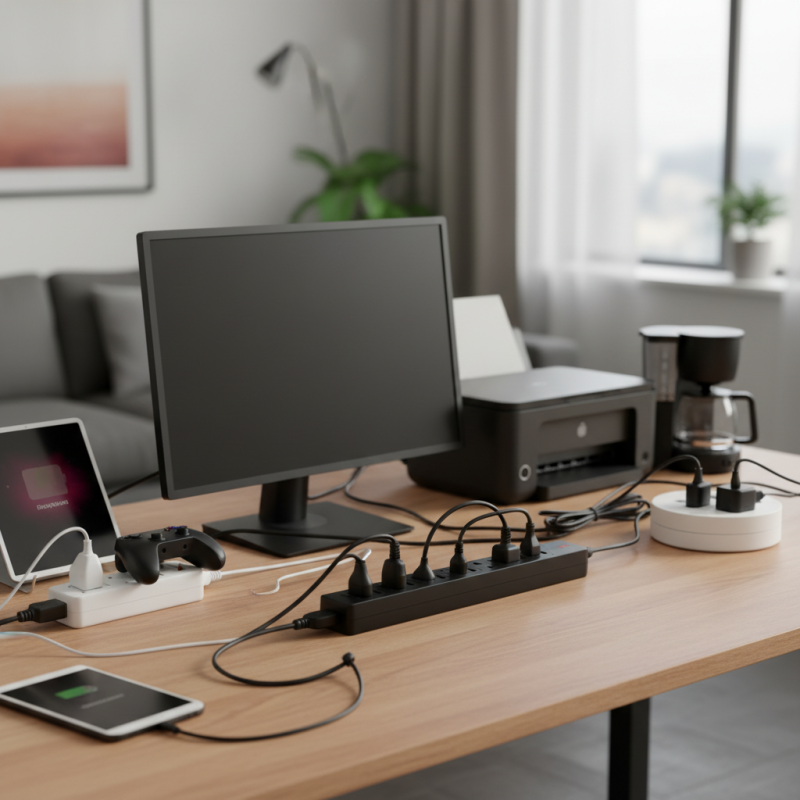
Understanding Your Power Needs: Analyzing Electrical Requirements
Choosing the right power strip begins with understanding your electrical requirements. Consider the wattage of your devices. For example, a standard laptop typically uses 60-100 watts, while a desktop computer may require up to 300 watts. This means that if you plan to connect multiple devices, their combined wattage should not exceed the power strip's capacity. Overloading can lead to overheating and potential hazards.
Another aspect to examine is the amperage limit of the power strip. Most household power strips have a 10-15 amp rating. This translates to a maximum power supply of 1200-1800 watts. A study by the National Fire Protection Association highlights that electrical failures contribute to thousands of home fires annually. Assessing your power needs helps mitigate such risks.
Additionally, consider surge protection features. The Consumer Product Safety Commission reports that voltage spikes can damage electronics and shorten their lifespan. Having a power strip with built-in surge protection can safeguard devices. However, even with protection, ensuring devices do not exceed rated limits requires careful monitoring. Reflecting on these details can lead to more informed choices that enhance safety and performance.
Types of Power Strips: Exploring Surge Protectors and Multi-Outlet Options
When choosing a power strip, understanding the types available is crucial. Surge protectors are popular, designed to guard devices against voltage spikes. According to industry reports, surge protectors can absorb surges up to 1,500 joules, protecting sensitive electronics. This can save you from costly damage to devices like computers and TVs.
Multi-outlet power strips are equally important. They provide multiple outlets in a single unit. Statistics show that a surge protector with eight outlets reduces the risk of overload. It also helps manage a cluttered workspace. Many users overlook the need for safety features like circuit breakers. A power strip with built-in fuses can stop power flow during electrical issues.
Tips for choosing the right power strip include assessing your device count. If you have several devices, opt for a strip with more outlets. Look for a unit with an indicator light to show when surge protection is active. Regularly check cords for wear and tear. Replacing old strips can prevent safety hazards. Finally, consider the length of the cord based on your layout, ensuring accessibility without strain.
Key Features to Look for in a Power Strip: Safety and Convenience
When choosing a power strip, safety must come first. Look for surge protection features that shield your devices from unexpected spikes. Check the joule rating; higher ratings mean better protection. Consider a power strip with fuses that can be easily replaced. These features signal reliability and reduce fire risks.
Convenience is also key. Opt for a strip with enough outlets to accommodate your devices. A power strip with USB ports adds convenience for charging phones or tablets. Some models come with built-in timers or smart connectivity, allowing remote control. Such features could enhance usability but may complicate setup.
Pay attention to design as well. A compact power strip can save space, especially in tight areas. If you have children or pets, consider strips with safety covers. In the end, your choice reflects a balance of safety, convenience, and personal needs. It’s crucial to carefully evaluate your options.
How to Choose the Best Power Strip for Your Needs? - Key Features to Look for in a Power Strip: Safety and Convenience
| Feature | Description | Importance |
| Surge Protection | Prevents damage from voltage spikes. | High |
| Number of Outlets | Total number of devices that can be plugged in. | Medium |
| USB Ports | Allows direct charging of USB devices. | Medium |
| Cord Length | The length of the power cord to reach the outlet. | High |
| Power Rating | Maximum wattage the strip can handle. | High |
| Overload Protection | Shuts off power when the load exceeds safety limits. | High |
| Compact Design | Easier to store and arrange in tight spaces. | Low |
| Indicator Light | Shows that the unit is powered on and functioning. | Medium |
Evaluating the Quality: Brand Reputation and User Reviews
When selecting a power strip, evaluating brand reputation and user reviews is key. A recent survey by the Consumer Product Safety Commission reveals that around 3,300 home fires occur each year due to electrical failures. This statistic highlights the importance of choosing a reliable product. Brands with strong reputations are less likely to involve safety hazards. Companies with decades of experience tend to outperform newer entrants in reliability.
User reviews offer invaluable insights into real-world performance. For instance, feedback on product durability and power surge protection can aid in making informed decisions. A report from TechInsights indicates that 78% of consumers trust product user reviews as much as personal recommendations. This statistic underscores the need to read both positive and negative reviews. While positive reviews indicate satisfaction, negative ones can expose potential issues. Observing patterns in reviews can help you spot recurring problems with specific models or brands.
Engaging with community forums can also provide deeper insights. Individuals often share firsthand experiences, both good and bad. This can reveal unadvertised benefits or drawbacks. However, it's essential to approach reviews with a critical eye. Some may be biased or unverified. Balancing expert evaluations with user experiences can guide you towards making a more informed choice.
Considerations for Placement: Home, Office, and Travel Use
Choosing the right power strip can make a big difference in how you manage your devices at home, in the office, or while traveling. For home use, consider the number of devices you frequently plug in. A strip with USB ports could save space and provide convenience for charging mobile devices. Ensure it has surge protection features to prevent damage during storms or power fluctuations.
In an office setting, prioritize functionality. Look for power strips that are designed for specific needs, such as those that can accommodate large power adapters. It's essential to assess your workspace. A well-organized area allows for better safety and efficiency. Range is crucial; choose a strip that reaches your outlets without creating clutter.
Travel-friendly power strips feature compact designs and built-in USB ports. These strips should also have universal voltage capability. Always check for overheating issues after long use. It’s a common problem with many travel models. Be aware of where you’re plugging in. Different regions may have different voltage requirements. This can prevent potential damage to your devices.