How to Choose the Best Metal Forge for Your Business Needs?
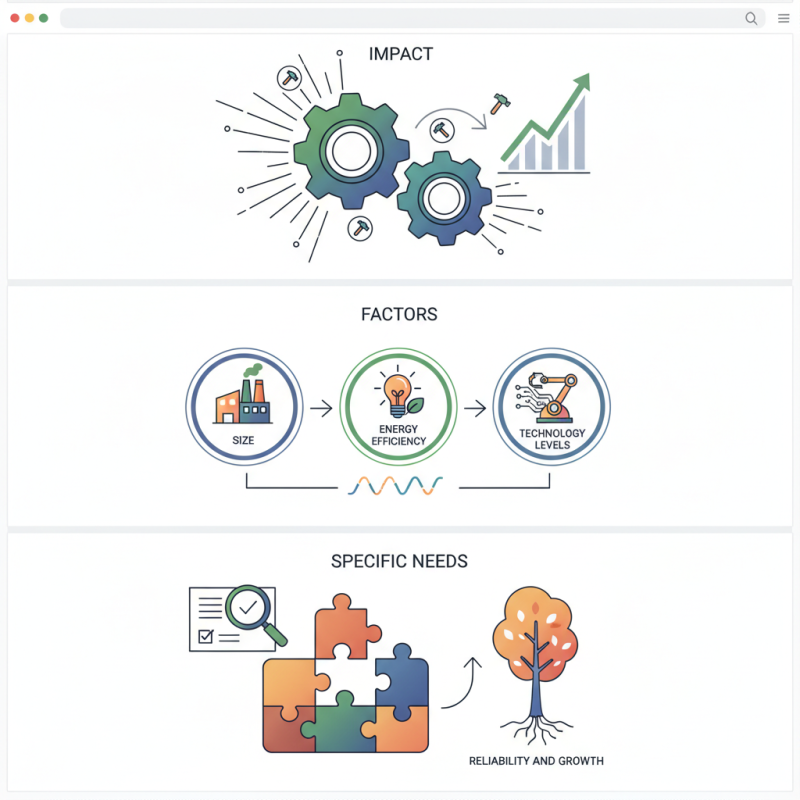
Choosing the right Metal Forge can significantly impact your business. A suitable forge enhances productivity and ensures high-quality output. However, many businesses struggle to find the best option for their unique needs.
Every Metal Forge offers different capabilities and features. Understanding these differences is crucial. Factors like size, energy efficiency, and technology levels can vary greatly. These elements affect your production process and operational costs.
Moreover, choosing a Metal Forge is not a one-size-fits-all solution. Each decision requires careful consideration of your specific requirements. Businesses often overlook important aspects, leading to unfavorable situations. Committing to a Metal Forge that aligns with your goals fosters reliability and growth.
Understanding Different Types of Metal Forges Available in the Market
When choosing a metal forge, it’s crucial to understand the types available. For larger operations, gas forges are popular. They heat quickly and provide consistent temperatures. Use them for projects requiring a steady heat source. Electric forges are also gaining traction. They offer precise temperature control and are energy-efficient. Small workshops benefit from the flexibility of these units.
Coal forges, a classic choice, give a unique experience. They rely on traditional methods and can reach high temperatures. However, they require skill to manage. This might not be ideal for beginners. Induction forges are the latest innovation. They heat metal using electromagnetic fields. This method is efficient and can reduce energy costs.
Choosing the right forge can be daunting. Each type has its advantages and drawbacks. Research and reflect on your specific needs. Consider your projects and the scale of your work. Space and budget are crucial factors too. Balancing all these elements is essential for business success.
How to Choose the Best Metal Forge for Your Business Needs?
| Forge Type | Heat Source | Common Uses | Capacity Range | Pros | Cons |
| Coal Forge | Coal | Blacksmithing, repair work | Small to medium | Traditional; effective for small projects | Requires skill; not portable |
| Propane Forge | Propane Gas | Knives, sculptures, tools | Medium to large | Portable; heats up quickly | Fuel cost; can be hot to handle |
| Electric Forge | Electricity | Precision work, jewelry, automotive | Small to medium | Consistent temperature; safe | Higher energy cost; limited portability |
| Induction Forge | Induction Heating | Industrial applications, high-volume production | Varies widely | Efficiency; fast heating | Expensive setup; requires electrical infrastructure |
| Gas Forge | Natural Gas | General metalworking | Small to large | Fuel efficient; can be built for specific needs | Installation required; less heat control |
Key Factors to Consider When Choosing a Metal Forge for Your Business
When selecting a metal forge for your business, various key factors must be assessed. One crucial element is the type of metal you intend to work with. Different metals require specific forging methods and temperatures. For instance, forging steel usually requires higher temperatures than aluminum. According to industry data, 70% of manufacturers report that material compatibility significantly impacts their productivity.
Another important consideration is the forge's capacity. Understanding your production volume needs is essential. A forge that is too small can lead to bottlenecks. Conversely, an oversized forge may waste energy and resources. Recent studies indicate that businesses often overestimate their needs, resulting in a staggering 30% underutilization of their forging equipment.
Lastly, the level of automation plays a significant role in efficiency. Automated forges can enhance precision and reduce labor costs. However, investing in automation without proper training can lead to setbacks. Many firms face challenges during the transition. Ensuring your team has the necessary skills is vital for maximizing your investment.
Evaluating the Quality and Durability of Metal Forge Equipment
When selecting a metal forge, quality and durability are key. Metal forge equipment should withstand high temperatures and repeated use. Look for steel frames and sturdy components. These features indicate reliability.
Tips: Inspect the materials. Robust design often results in longer life. Trust in equipment that shows wear-resistant qualities.
Consider user reviews. Feedback can reveal insights about performance and potential flaws. It's important to assess the experiences of other users before making a decision.
Tips: Check for warranties. A solid warranty might reflect the manufacturer's confidence in their product. Always ask about maintenance requirements. Regular care extends equipment life.
Evaluating the Quality and Durability of Metal Forge Equipment
Assessing Your Budget and Cost-Effectiveness in Forge Selection
When selecting a metal forge for your business, budget is critical. A detailed cost analysis is essential. Industry reports show that startup costs for a metal forge can range between $10,000 and $100,000, depending on size and capacity. This makes it crucial to assess your financial limits carefully. Consider not only the upfront costs but also operational expenses.
Tips: Always compare different suppliers. Evaluate what each offers in terms of warranties, support, and additional features. A more expensive option may save you money in the long run through reduced maintenance.
Cost-effectiveness also involves understanding the equipment's energy efficiency. According to the U.S. Department of Energy, energy-efficient forge systems can lower energy costs by up to 30%. Analyze your production needs. A forge with a higher production capacity may reduce per-unit costs but also consider potential unused capacity that leads to inefficiencies.
Tips: Ensure that the forge matches your production volume. A mismatch can lead to wasted resources. Keep in mind that ongoing training for your staff is an additional expense, which can affect your overall budget.
Identifying Additional Features and Technologies in Modern Metal Forges
When selecting a metal forge, consider modern features that enhance performance. Automation in metal forges can improve efficiency. Look for programmable settings that tailor operations to specific projects. This capability reduces human error and ensures consistency in results.
Advanced heating technologies can also be a game-changer. Induction heating systems, for instance, are energy-efficient and deliver precise temperature control. This is crucial for achieving optimal metallurgical properties. However, transitioning to these technologies might require staff training. Ensure your team is prepared to adapt.
Tips: Evaluate the maintenance needs of any forge you consider. A robust maintenance plan will extend the life of your equipment. Also, prioritize safety features such as automatic shut-offs and protective barriers. Balancing modern technology with safety is essential in a workspace.