How to Choose the Best Heat Shrink Wrap for Your Needs?
Choosing the right Heat Shrink Wrap is crucial for various applications, from packaging to insulation. According to a report by the Global Heat Shrink Wrap Association, the market for heat shrink materials is projected to reach $3 billion by 2025. This growth is driven by increasing demand in food packaging and construction industries.
Expert Jane Mitchell, a leading authority in polymer technology, emphasizes, "The choice of heat shrink materials can significantly impact product longevity and presentation." Her insights highlight the importance of understanding different types and specifications available in the market.
Selecting the best Heat Shrink Wrap requires careful consideration of material properties, thickness, and application. A seemingly minor error in choice could lead to costly damage or inefficiencies. Many businesses overlook the exhaustive options available, risking both product integrity and customer satisfaction. Hence, making an informed selection is vital to ensure optimal performance and reliability.
Understanding Heat Shrink Wrap Types and Their Applications
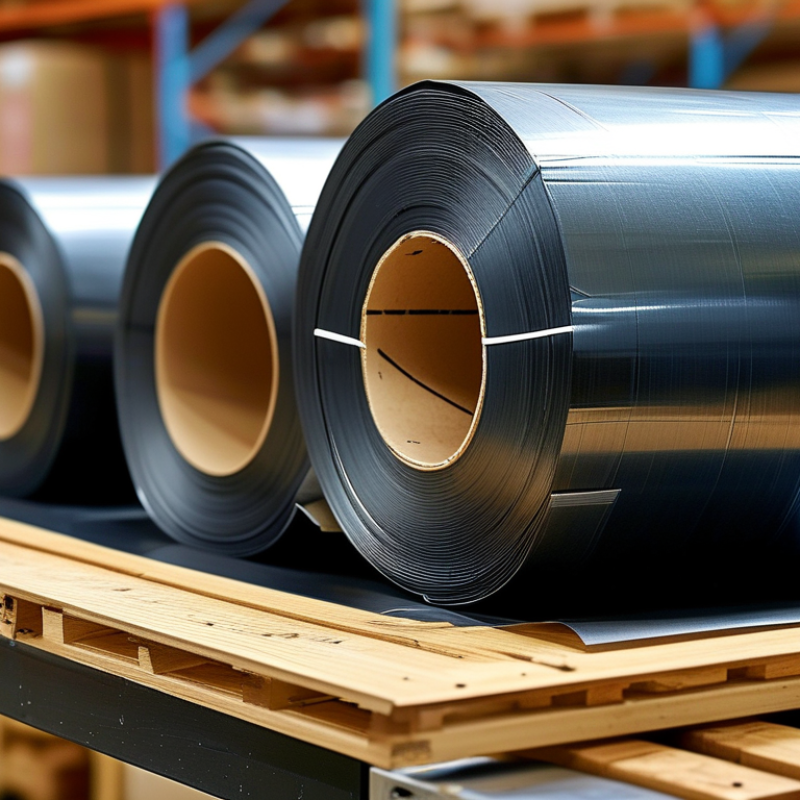
When selecting heat shrink wrap, understanding the types available is crucial for effective applications. Heat shrink wraps come in various materials, including polyolefin, PVC, and fluoropolymer. Each type offers distinct properties suitable for different environments. Polyolefin is popular for its flexibility and clarity, making it ideal for packaging items of various shapes.
Choosing the right type depends on the specific needs of your project. Consider factors like temperature range and resistance to chemicals. PVC, for instance, is affordable but may not withstand high temperatures well. On the other hand, fluoropolymer wraps offer excellent chemical resistance but come with a higher price tag.
Tips: Always check compatibility with your items. Conduct tests to ensure the wrap adheres properly and provides the necessary protection. Additionally, be mindful of shrinkage rates, as over-shrinking can lead to tears or ineffective seals. Assess your unique situation before making a decision.
Key Factors to Consider When Choosing Heat Shrink Wrap
When selecting the best heat shrink wrap, several key factors play a crucial role. The type of material significantly influences the choice. Common options include polyolefin, PVC, and PET. Each material has its unique properties and best uses. Remember, the thickness can also affect performance. Thinner wraps may be easy to handle but might not offer the needed durability.
Tips: Consider the operating temperature. Ensure your chosen wrap can withstand the heat during the shrinking process. Also, take the application into account. Will the wrap be used for storage or shipping? Understanding the environment is crucial.
Another important factor is the shrink ratio. A larger shrink ratio can accommodate various shapes and sizes. This versatility can be beneficial. However, using a wrap with a high shrink ratio may require more heat and careful handling. Testing on sample products can offer insights into the best choice.
Tips: Look for wraps that provide a clear appearance if aesthetics are vital. A clear wrap preserves visibility while offering protection. Finally, don't overlook the importance of certifications. They offer assurance about the material's quality and safety.
Evaluating Thickness and Size for Your Heat Shrink Needs
Evaluating the thickness and size of heat shrink wrap is crucial for effective usage. Industry reports show that thickness can range from 0.3 mm to 3 mm. Thinner materials are ideal for lightweight applications. In contrast, thicker variants provide better durability and resistance against environmental factors. Choosing the right thickness can significantly enhance the longevity of your packaging.
Size selection also plays a vital role in success. Standard sizes often come in widths from 2 inches to 18 inches. A report by the Packaging Industry Association indicates that improper sizing accounts for 30% of shrink wrap failures. If the wrap is too tight, it can compromise the integrity of the item. Conversely, if it’s too loose, it may not provide adequate protection.
When selecting heat shrink wrap, consider the specific requirements of your project. Test different combinations of thickness and size. Sometimes, the best choice may not be the most obvious one. An industry survey revealed that 40% of users changed their original choice after further evaluation. Reflect on your options to ensure you achieve the best results.
Evaluating Thickness and Size of Heat Shrink Wrap
Identifying Suitable Material for Different Environments
When choosing heat shrink wrap, understanding the environment is crucial. Different materials perform uniquely under varying conditions. For instance, PVC (polyvinyl chloride) is versatile and cost-effective, making it suitable for low-stress applications. According to industry data, PVC wraps can operate effectively between -40°C and 110°C. However, they are less durable in extreme temperatures.
In contrast, polyolefin offers superior temperature resistance and clarity. It is particularly beneficial in food packaging and electronic applications. This material can withstand temperatures as low as -60°C. Furthermore, it is more biodegradable than PVC. Heat shrink wraps made from polyolefin are praised for their flexibility and strength.
Tip: Always assess your product's requirements before selecting the wrap. Consider environmental factors like moisture, UV exposure, and physical stress. Not every material will suit every situation. Missteps can lead to damage or costly replacements. Experimenting with samples is wise before making a bulk order.
Also, reviewing performance reports from trusted industry sources can provide valuable insights. Ensure the data aligns with your specific use case. This diligence can prevent oversights and improve packaging efficiency.
Evaluating Cost vs. Performance in Heat Shrink Wrap Options
When evaluating heat shrink wrap options, cost and performance are often at odds. A lower-cost option might seem appealing, but it can lead to compromises in quality. Cheaper materials may not shrink properly or provide adequate protection, increasing the risk of damage over time. It’s essential to carefully assess what features you need, like temperature tolerance and clarity.
Performance indicators include shrink ratio and durability. A higher shrink ratio typically indicates better performance. This means the wrap will conform to various shapes effectively. However, this does not always guarantee the lowest price. Sometimes, investing in a slightly more expensive product can yield better long-term results. Examine the specifications that matter most to your projects.
Customer reviews can provide insight. Look for experiences that highlight both value and functionality. Users often share stories of unexpected failures with budget-friendly options. Balancing cost against performance is crucial. Investing in quality wrap may prevent future headaches and additional costs. Use your resources wisely to make an informed decision.