How to Choose the Right Double Eccentric Butterfly Valve?
Choosing the right double eccentric butterfly valve is crucial for various industrial applications. According to a report by Market Research Future, the global butterfly valve market is expected to reach $12 billion by 2025. This growth highlights the importance of selecting reliable components. Industry expert Dr. John Myers states, “Selecting the correct double eccentric butterfly valve ensures optimal performance and longevity in systems.”
double eccentric butterfly valves are designed to control flow and can handle high-pressure situations. Their unique construction allows for tight sealing and reduced wear. However, the complexity of different specifications can overwhelm many engineers. Factors such as size, material, and operating conditions must be considered.
Many companies still make choices without adequate information. This can lead to costly mistakes and inefficiencies. Engineers should prioritize gathering data about specific requirements before purchasing. The right valve can significantly impact operational effectiveness while preventing future issues. In summary, selecting a double eccentric butterfly valve requires careful consideration and expertise.
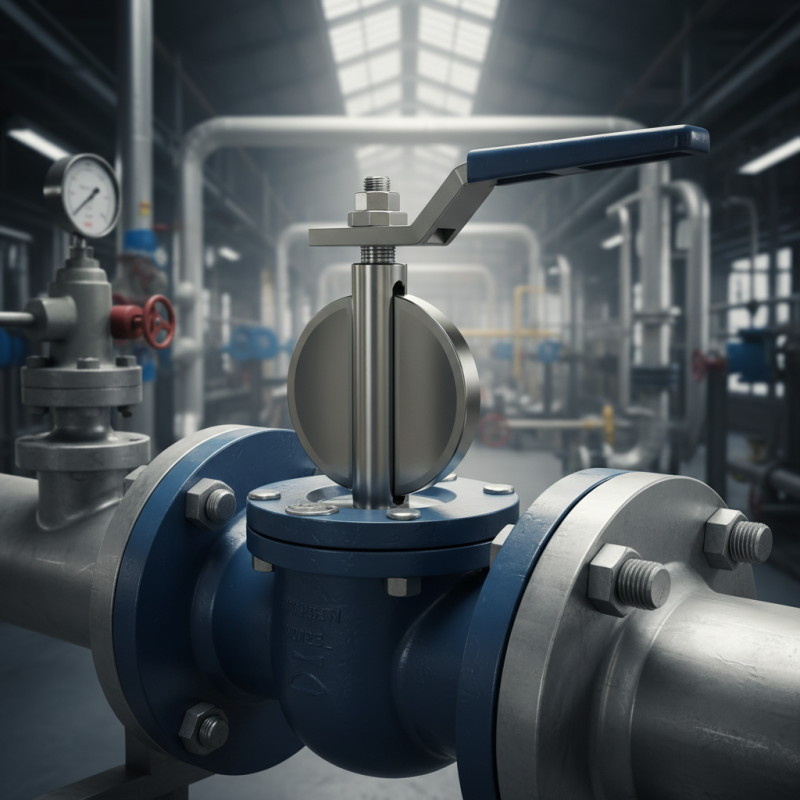
Understanding Double Eccentric Butterfly Valves and Their Applications
When selecting a double eccentric butterfly valve, it’s essential to understand its design and functionality. These valves feature a unique geometry that reduces friction. They also offer a better sealing capability compared to standard butterfly valves. This makes them ideal for applications involving high pressures and temperatures. Industries like oil and gas, water treatment, and HVAC often utilize them.
Tips: Always consider the flow characteristics. The valve’s shape affects how fluids pass through. A mismatch can lead to inefficiencies. Ensure proper sizing. A valve that is too large or too small won't perform well. It can result in excessive wear or insufficient flow control.
Furthermore, assess the materials used in the valve's construction. Different environments require different materials. Corrosive substances might need specific alloys to prevent damage. Neglecting this can lead to costly repairs down the line. Remember, even minor details matter in valve selection. Take your time to evaluate your application needs carefully.
Key Factors to Consider When Selecting a Butterfly Valve
When selecting a double eccentric butterfly valve, several key factors are crucial. First, consider the material of the valve. It should match the fluid it will handle. Common materials include stainless steel, cast iron, and plastic. Each has its own properties, affecting durability and corrosion resistance.
Size matters as well. The valve must fit perfectly into your system. An oversized valve may lead to flow issues. On the other hand, a valve that is too small can cause pressure drop. Proper measurements are essential.
Tips: Always check the pressure rating of the valve. Ensure it meets the specifications of your project. Also, think about the operational environment. A valve in a harsh condition may require extra features, like thermal insulation.
Another factor is ease of maintenance. Some valves are more complex and require specialized tools for servicing. Simple designs can save time and cost for repairs. It’s worth reflecting on how often you will need to access the valve for maintenance.
Additionally, consider the actuator type. Manual, electric, or pneumatic actuators can impact performance. Each type has its own benefits and complexities, so choose wisely.
How to Choose the Right Double Eccentric Butterfly Valve? - Key Factors to Consider When Selecting a Butterfly Valve
| Dimension | Material | Temperature Range (°C) | Pressure Rating (psi) | Actuation Type |
| 2 inch | SS304 | -10 to 150 | 150 | Electric |
| 4 inch | SS316 | -20 to 200 | 200 | Pneumatic |
| 6 inch | Carbon Steel | -40 to 120 | 150 | Manual |
| 8 inch | Ductile Iron | -10 to 140 | 300 | Electric |
| 10 inch | Aluminum | -10 to 80 | 150 | Pneumatic |
Material Selection for Double Eccentric Butterfly Valves
When selecting materials for double eccentric butterfly valves, several factors come into play. The valve's application, operating environment, and fluid characteristics are crucial considerations. For example, carbon steel is often suitable for general usage. It’s cost-effective and provides good mechanical strength. However, it may corrode in aggressive media.
Stainless steel offers excellent corrosion resistance. It's ideal for applications involving chemicals or high moisture. According to industry reports, about 50% of butterfly valves used in the petrochemical sector employ stainless steel. However, this option can be more expensive. So, budget constraints may affect your choice.
Cast iron valves are advantageous for low-pressure systems. They are sturdy and durable. However, they may not withstand harsh conditions.
Tips: Always consider the fluid temperature and pressure when choosing materials. Also, think about potential future needs. Depending on the environment, you may want to opt for more robust materials than initially planned. Reflect on the long-term costs and benefits of your choice.
Sizing and Pressure Ratings: Ensuring Compatibility and Efficiency
Choosing the right double eccentric butterfly valve requires careful consideration of sizing and pressure ratings. Proper sizing ensures the valve fits the system and operates efficiently. The valve must match the pipeline diameter. A mismatch can lead to leaks or operational failures.
Pressure ratings are equally crucial. They determine how much pressure the valve can handle without failing. It’s essential to check the maximum pressure of your system. Selecting a valve with an inadequate rating can lead to catastrophic failures. Evaluate your system’s normal operating pressure and peak pressure scenarios.
Tips: Always consult with engineers when in doubt. They can provide insights on specific needs. Verify the materials used in the valve construction. Corrosion resistance is vital in harsh environments. Sometimes, one might overlook simple yet critical factors, such as the valve's weight, affecting installation.
In the quest for the right valve, keep an eye on specifications. Small details can make a significant difference. Remember, taking shortcuts in the selection process can end up costing more in maintenance. Trust the engineering principles but also reflect on real-world applications to avoid mishaps.
Double Eccentric Butterfly Valve Size and Pressure Ratings
Common Maintenance Practices for Long-lasting Valve Performance
Double eccentric butterfly valves are popular choices for their efficiency. However, maintenance is key to their longevity. Regular inspection is important. Check for wear and tear on seals and bearings. Over time, these parts may wear down, affecting performance. It’s essential to keep an eye on them.
Lubrication is another crucial aspect. Proper lubrication reduces friction and potential damage. It can extend the valve's lifespan. Use the right type of lubricant, as different materials have specific needs. Be aware of the environment too. Dust and debris can accumulate, leading to issues. Regular cleaning helps prevent this.
Learn from any performance issues that arise. If a valve behaves unexpectedly, don’t ignore it. Investigate promptly to avoid larger problems later. Maintenance logs can be useful for tracking issues and solutions. Reflect on the processes you have in place. Continuous learning will enhance your maintenance practices.