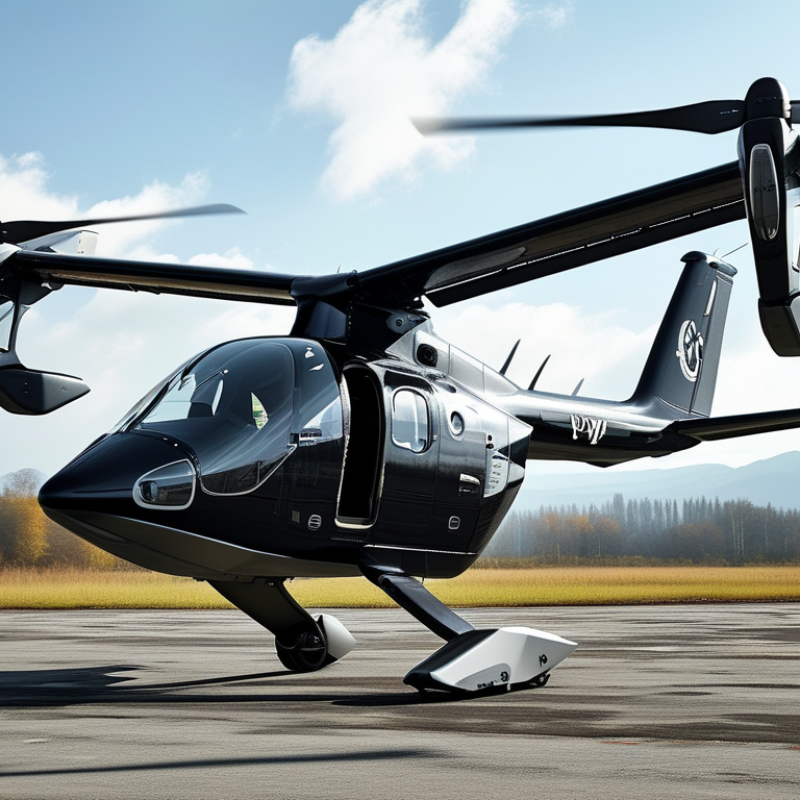
How to Choose the Best VTOL Fixed-Wing Aircraft for Your Needs?
Selecting the right VTOL Fixed-Wing aircraft can be challenging. Various factors play a significant role in your decision. With the increasing popularity of VTOL technology, understanding your specific needs is essential.
The term "VTOL Fixed-Wing" refers to versatile aircraft that can take off and land vertically. They offer unique advantages, especially in urban environments and remote areas. Decisions must consider payload capacity, range, and operational costs. Each requirement can influence your choice.
Consider the intended use. Is it for emergency services, surveying, or cargo transport? Each application demands different capabilities. It's important to weigh these aspects thoughtfully. Reviews and expert opinions can guide you. However, relying solely on general information may lead to oversight. A deeper understanding of specific models will enrich your decision-making process.
Understanding VTOL and Fixed-Wing Aircraft Basics
VTOL (Vertical Takeoff and Landing) technology is transforming aviation. This innovation combines the benefits of helicopters and fixed-wing aircraft. VTOL fixed-wing aircraft can take off and land vertically, eliminating the need for lengthy runways. According to a recent industry report from the Vertical Flight Society, the global VTOL market is projected to reach $5.8 billion by 2025. As urban air mobility expands, understanding these aircraft becomes crucial.
Fixed-wing aircraft typically have better fuel efficiency than helicopters. They operate at higher speeds and can cover longer distances. Many models can transition smoothly from vertical to horizontal flight. This transition is key for maximizing efficiency in busy urban environments. However, integrating advanced technologies presents challenges. Pilots need specialized training for these complex systems. A report from the National Aeronautics and Space Administration noted that training could increase operational costs.
The consideration of operational requirements is vital. Assess missions, flight distances, and payload capacities. Some models excel in urban settings, while others may suit rural operations better. Each design choice impacts performance and safety. Future developments will focus on improving reliability and reducing noise. Understanding these factors ensures that the chosen VTOL fixed-wing aircraft meets specific needs effectively.
Evaluating Operational Requirements for VTOL Applications
Choosing the right VTOL fixed-wing aircraft hinges on several operational requirements. First, assess the payload capacity necessary for your missions. According to industry reports, the suitable payload often varies between 15 to 200 kilograms, depending on the specific use case. If you're focusing on cargo delivery, a higher capacity is essential. Understanding your payload needs early can prevent complications later.
Next, consider the operational range. Most VTOL applications require a range of 30 to 100 kilometers. However, some specialized missions may demand longer distances. Reports indicate that around 60% of users prioritize range in their selection process. Evaluating the terrain and weather conditions for your operations can help refine your choices.
Another crucial factor is durability and maintenance. Aircraft operating in harsh environments may need more robust designs. Frequent maintenance can lead to downtimes, which impact overall mission efficiency. Some users report unexpected mechanical failures that extend their project timelines. Ensuring the aircraft is tailored for specific conditions can mitigate risks. Thoughtful evaluation of these elements is vital for successful VTOL operations.
Comparing Performance Specifications of VTOL Fixed-Wing Models
When evaluating VTOL fixed-wing aircraft, comparing performance specifications is crucial. Key specifications include range, payload capacity, and flight speed. Each of these factors can significantly impact the aircraft's utility. For instance, a model with a longer flight range is ideal for extensive surveillance missions. However, it may compromise efficiency in smaller, urban environments.
Payload capacity is another essential consideration. Some aircraft can carry heavier loads but might sacrifice speed. In contrast, lighter models excel in speed but may be limited in payload. Users often overlook this balance, leading to suboptimal performance in the field. Flight speed affects mission time and responsiveness, which are vital for urgent tasks.
Performance specifications must align with specific needs. It's important to assess how often the aircraft will be used and in what context. Real-world conditions can differ significantly from theoretical capabilities. Choosing an aircraft based solely on published specs can lead to unexpected challenges. A decision driven by numbers alone may overlook practical considerations, highlighting the need for thorough evaluation and testing.
Performance Comparison of VTOL Fixed-Wing Aircraft
Assessing Cost and Budget Considerations for Aircraft Purchase
Choosing the right VTOL fixed-wing aircraft involves careful cost and budget considerations. Aircraft prices vary widely, with entry-level models starting around $250,000. More advanced options can exceed $2 million. This range reflects differences in technology, performance capabilities, and intended use.
Operating costs also play a critical role. Maintenance, fuel, and insurance can add thousands each year. According to industry reports, average annual operating costs for small UAVs can reach $50,000. When planning a budget, factor in these recurring expenses.
It's essential to assess your specific needs. A lower initial purchase price might seem attractive, but hidden costs may arise. Have you considered the long-term implications? Conducting thorough market research can help identify the best options tailored for your unique requirements. This may lead to unexpected conclusions or adjustments in your budget strategy.
Reviewing Manufacturer Reputation and Support Services
Choosing the right VTOL fixed-wing aircraft is more than just specifications. It involves evaluating the manufacturer's reputation and the support services they offer. A study by the Aviation Safety Network found that manufacturer reliability significantly impacts aircraft performance and safety ratings. Reliable manufacturers often have a proven track record, which directly influences operational success.
When assessing a manufacturer, dive into their customer support services. A company with robust support can drastically reduce downtime. It's essential to consider their response time and availability of parts. A recent survey revealed that 75% of operators value after-sales service as a key factor in their aircraft purchase decisions. This highlights the importance of ongoing support, especially in the fast-evolving aviation sector.
**Tip:** Look for manufacturers that offer comprehensive training programs. It ensures you and your team can maximize the aircraft's capabilities. Also, connect with existing users for firsthand insights on reliability and service experience.
Another point to reflect on is the alignment between manufacturer claims and user experiences. Discrepancies can often emerge, and it's crucial to weigh these against published safety and operational reports. Always look for third-party reviews and data to form a well-rounded perspective. The decision should balance technical specifications with genuine support and a solid reputation.
How to Choose the Best VTOL Fixed-Wing Aircraft for Your Needs?
| Manufacturer Reputation | Support Services Offered | Warranty Duration | User Ratings (out of 5) | Maintenance Availability |
| High | 24/7 Customer Support, Online Resources | 5 Years | 4.8 | Local Service Centers Availability |
| Moderate | Business Hours Support, Limited Resources | 3 Years | 4.0 | Regional Service Partners |
| Low | Limited Support, Self-Help Resources Only | 1 Year | 3.2 | No Maintenance Services |