How to Choose the Best Stacker and Reclaimer for Your Needs?
Choosing the right Stacker and Reclaimer is a critical decision for any bulk material handling operation. These machines play a crucial role in managing resources effectively and ensuring smooth workflow. A stacker and reclaimer can impact productivity, safety, and overall operational efficiency.
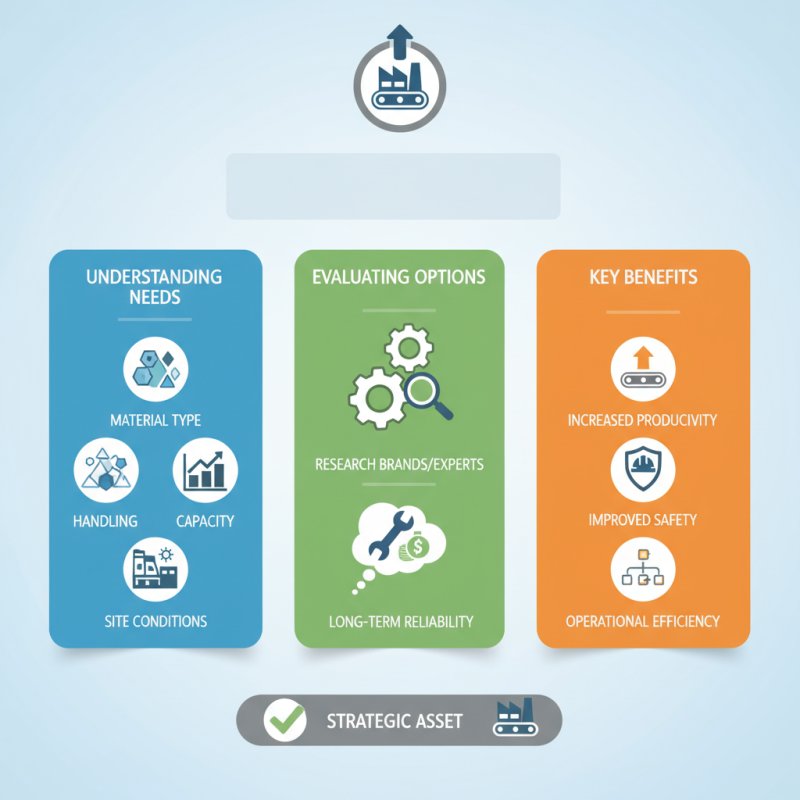
Understanding specific needs is essential when evaluating stacker and reclaimer options. Consider factors such as material type, handling capacity, and site conditions. Each operation is unique, and what works for one may not suit another. Researching reputable brands and talking to industry experts can provide valuable insights.
Moreover, it is important to reflect on long-term reliability. High-quality equipment often requires a larger initial investment, but it can save costs over time. Think about maintenance requirements and machine adaptability. A well-chosen stacker and reclaimer can enhance performance and streamline operations, making it a key asset in your material handling strategy.
Understanding the Basics of Stackers and Reclaimers
Understanding stackers and reclaimers is essential for optimizing material handling in various industries. These machines complement each other in managing bulk materials efficiently. A stacker is designed to pile materials systematically in a designated area. In contrast, a reclaimer pulls those materials back into the production process when needed. Knowing how these machines work can significantly influence your operational efficiency.
However, selecting the right type isn't straightforward. Different applications require specific features. For instance, a heavy-duty stacker may be needed for rugged environments, while a more compact unit might suffice for smaller operations. The size and type of materials handled also play crucial roles. You might think you need a more powerful machine, but that could lead to unnecessary expenses and energy consumption. Evaluating your operational requirements is vital.
Regular maintenance is another aspect that demands attention. A well-maintained stacker or reclaimer can offer years of dependable service. Neglecting this can lead to unexpected breakdowns and costly repairs. It’s essential to understand that not every machine suits every application perfectly. Reflecting on your needs can help you make a more informed choice.
Key Factors to Consider When Selecting a Stacker and Reclaimer
Choosing the right stacker and reclaimer can greatly impact efficiency and productivity in material handling. Several key factors play a critical role in this selection. Capacity is vital. Operations often need to process tones that range from 500 to 10,000 tons per hour. Matching the equipment to your throughput requirements is essential. Overestimating capacity can lead to higher costs, while underestimating may cause delays.
Another important factor is the type of materials being handled. Different materials have unique properties and handling requirements. For instance, coal, iron ore, or grain have distinct features. A stacker designed for bulk material may not suit lighter products. It’s essential to ensure the stacker and reclaimer can handle the physical characteristics of the materials. Understanding these material behaviors can help you avoid costly operational issues.
The operational environment should not be overlooked. Weather, space, and terrain affect equipment performance. Your stacker must withstand conditions like extreme temperatures or heavy rain. It’s crucial to evaluate what modifications might be necessary. These considerations could streamline processes and enhance efficiency. However, balancing between advanced features and budget constraints can yield conflicting decisions, necessitating careful evaluation.
Comparing Different Types of Stackers and Reclaimers
When choosing stackers and reclaimers, it’s essential to compare different types available. Each type has unique features that cater to specific needs. For instance, wheel-based stackers offer high mobility. They can quickly reposition, ideal for facilities where space is tight.
On the other hand, rail-mounted stackers are suitable for larger operations. They provide stability and can handle heavier loads. However, they require fixed tracks, which can limit flexibility. Users should consider their workflow. A blend of high mobility and stability could be essential in certain applications.
Another consideration is the material handling capacity. Some stackers excel in bulk material handling, while others perform best with packaged goods. Assessing your specific needs can lead to better decision-making. It’s crucial to weigh the pros and cons of each type carefully. Often, choosing the wrong type impacts overall efficiency and costs. The right equipment can significantly enhance productivity. Conversely, misjudgments can lead to operational challenges.
How to Choose the Best Stacker and Reclaimer for Your Needs?
| Type | Capacity (ton/hr) | Operating Range (m) | Power Source | Applications |
| Horizontal Stacker | 500 - 2000 | 10 - 20 | Electric | Bulk Material Storage |
| Circular Stacker | 800 - 3000 | 15 - 30 | Diesel | Aggregate Handling |
| Bridge Stacker | 1000 - 3500 | 10 - 25 | Electric | Cement and Lime Industries |
| Reclaimer | 600 - 2500 | 15 - 35 | Electric/Diesel | Stockpile Reclaiming |
Evaluating Manufacturer Specifications and Quality Standards
When evaluating manufacturer specifications for stackers and reclaimers, quality standards are paramount. Recent industry reports reveal that reliability can significantly impact operational efficiency. According to a study by the Manufacturing Institute, equipment downtime can incur costs up to $250,000 a day. Therefore, selecting a reliable machine is crucial.
Tip: Assess the materials used in construction. Machines made from high-grade steel tend to last longer and require less maintenance. Look for certifications like ISO 9001, which benchmarks quality management systems.
Another critical factor is the machine's throughput capacity. Reports indicate that high-capacity stackers can improve productivity by up to 30%. However, beware of over-specifying. Many companies have faced challenges with equipment that exceeds their operational needs, leading to inefficiencies and increased repair costs.
Tip: Conduct a thorough analysis of your operational requirements. It's vital to compare different models based on performance and durability. Engaging with industry experts can provide insights that are often overlooked.
Incorporating these evaluations and tips can help ensure you choose the right stacker and reclaimer to meet your needs effectively. Remember, good equipment can make a difference, but not all that glitters is gold.
Assessing Maintenance and Operating Costs for Long-term Use
When evaluating stackers and reclaimers, maintenance and operating costs are crucial for sustainable use. Understanding these costs helps in budgeting and longevity. Regular maintenance ensures machines operate efficiently. Parts wear over time, influencing maintenance frequency and costs.
Tips: Always consult with operators about their experiences. Their insights can reveal hidden issues. Consider the total cost of ownership when making a decision. This includes both upfront costs and long-term expenses.
Operating costs include energy consumption and labor. Energy-efficient models may have higher initial costs but can save money in the long run. Analyzing the potential productivity can help justify investments. Sometimes, cheaper options lead to higher operational costs later. Reflect on past equipment choices for better decisions.