How to Choose the Best Print Inspection Systems for Quality Control?
In the fast-paced printing industry, ensuring quality control is essential. Print Inspection Systems play a critical role in maintaining standards. According to a report by Smithers Pira, the global market for print inspection is expected to grow by 12.5% annually. This growth indicates a rising demand for reliable quality control solutions in printing.
Choosing the right Print Inspection Systems can be challenging. Various factors must be considered, including technology, operational efficiency, and cost. Many companies still struggle with defects and errors, which can lead to significant financial losses. An industry survey revealed that 30% of print defects go unnoticed, highlighting the importance of effective inspection systems.
Investing in modern print inspection technology is crucial. It minimizes human error and enhances productivity. However, organizations should also reflect on their specific needs. Implementing a one-size-fits-all approach may not yield the desired results. Companies must evaluate their operations to choose the best-fit solution. The right Print Inspection System can make a substantial difference in quality assurance and overall client satisfaction.
Understanding the Basics of Print Inspection Systems
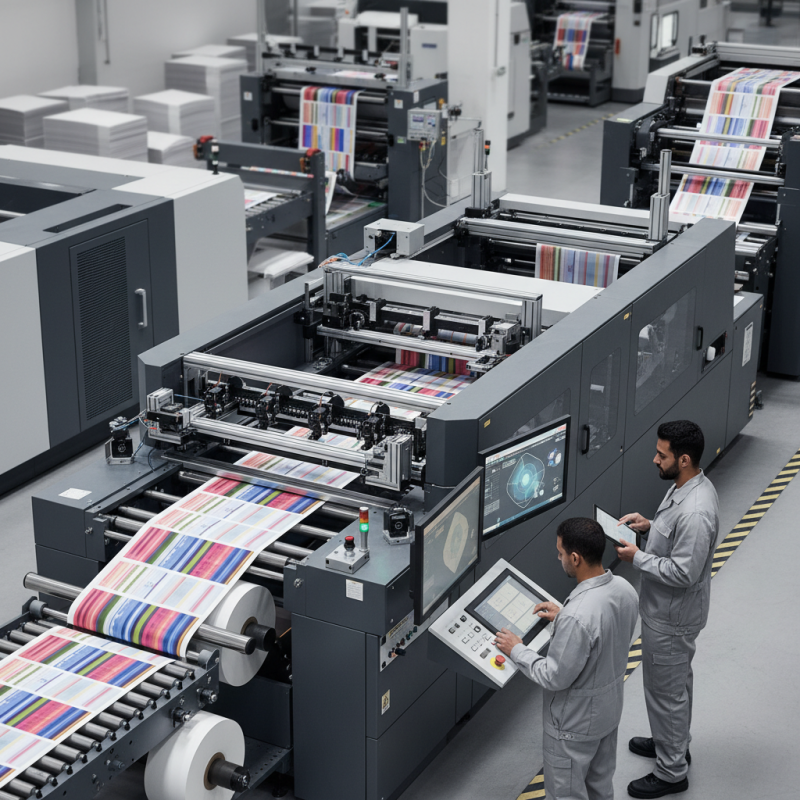
Understanding print inspection systems is crucial for maintaining product quality in various industries. These systems are designed to inspect printed materials, ensuring accuracy and consistency in production. According to a recent industry report, around 80% of manufacturers experience quality issues due to printing errors. This highlights the importance of deploying effective inspection solutions.
A reliable print inspection system typically employs AI and machine learning technologies. These advancements help in detecting defects such as misalignment, color variations, and even missing elements. Data suggests that implementing such systems can reduce waste by up to 30%. However, not all systems are created equal. Many companies still struggle with false positives, leading to unnecessary rejections.
Customization is another factor worth considering. Each production line may have unique requirements. It's essential to assess the specific needs of your operation. Some systems fail to adapt well, resulting in operational inefficiencies. Investing in a system that fits your workflow can yield better results. The right choice may reduce inspection time and improve overall quality.
Key Features to Consider in Print Inspection Technologies
When choosing print inspection systems, it's crucial to focus on essential features. One key aspect is the detection accuracy. High-resolution cameras can identify even minor defects. This ensures that every print meets the required standards. Additionally, consider the speed of the inspection process. Systems that operate swiftly can save time and increase productivity.
Another important feature is the user interface. A straightforward and intuitive design allows operators to navigate easily. Complicated systems can lead to errors and frustration. Also, look for flexibility in handling various print formats. Systems that adapt to changing needs enhance usability.
Tips: Always evaluate the system’s compatibility with existing technology. Ensuring smooth integration is vital. Regular updates and support from the provider are essential for long-term use. Lastly, consider the cost of ownership. Sometimes, cheaper options can lead to higher costs due to maintenance or inefficiency. Opt for a balance of quality and affordability to maximize return on investment.
Evaluating Performance Metrics for Quality Control
When choosing print inspection systems, evaluating performance metrics is crucial. Inspecting the quality of printed materials ensures they meet industry standards. Key metrics include detection accuracy, speed, and adaptability. A system that can catch errors quickly is vital in a fast-paced production environment. Speed can directly impact productivity. If a system works too slowly, it may create bottlenecks.
Detection accuracy is another important metric. A system that misses defects is not helpful. Regularly reviewing false positives and negatives is essential. This analysis can reveal areas needing improvement. Adaptability is also important; a rigid system may not keep up with changing print designs or materials.
In practice, companies may find that initial system selections lead to unforeseen challenges. Some systems might struggle with specific ink types or materials. This could result in increased downtime for adjustments. Reflecting on these experiences helps refine the selection process. A balance between performance and flexibility should guide decisions. The ultimate goal is to create a reliable quality control environment.
Print Inspection Systems Performance Metrics
Comparing Different Types of Print Inspection Systems
When selecting a print inspection system, it's crucial to understand the various options available. Different systems cater to different needs. Some are designed for high-speed environments, while others focus on ensuring precision in smaller print jobs. A web-based system may excel in real-time monitoring. However, it often struggles with complex print patterns.
Vision-based inspection systems use advanced cameras. They identify defects with high accuracy. Yet, this technology can be costly and may require specific lighting conditions. Other systems might utilize laser technology. These can quickly detect size and shape abnormalities but can falter with color discrepancies.
Another consideration is the ease of integration with existing production lines. Some systems are user-friendly right out of the box. Others are complex and require significant training. Finding a balance between usability and effectiveness can be challenging. Each system has its strengths and weaknesses. Making a choice often means weighing these factors against your specific production needs.
Factors Influencing Cost and Investment in Inspection Systems
When choosing a print inspection system, cost is a major factor. Systems vary widely in price. Features like speed, accuracy, and technology affect the investment amount. A more advanced system may cost more upfront but save money in the long run. Sometimes, cheaper systems lack essential functionalities. As a result, companies may face higher operational costs.
Another important consideration is the total cost of ownership. This includes maintenance, training, and software updates. While a low purchase price is appealing, ongoing expenses can add up quickly. Businesses need to weigh these costs against their quality control goals. It’s crucial to assess whether a system meets current demands and future needs.
Additionally, workforce training plays a role in overall effectiveness. The best technology is only as good as its operators. They need proper training to maximize efficiency. Without adequate knowledge, even the most sophisticated systems may underperform. Investing in training could mitigate this issue, ensuring operational success. Companies must reflect on how their choices align with long-term objectives.