How to Choose the Best Pole Saw and Pole Hedge Trimmer?
Choosing the right tools for yard maintenance can be a daunting task. A Pole Saw and Pole Hedge Trimmer are essential for keeping your garden neat and tidy. Many people overlook these tools, assuming any model will suffice. However, making an informed choice can impact your gardening experience significantly.
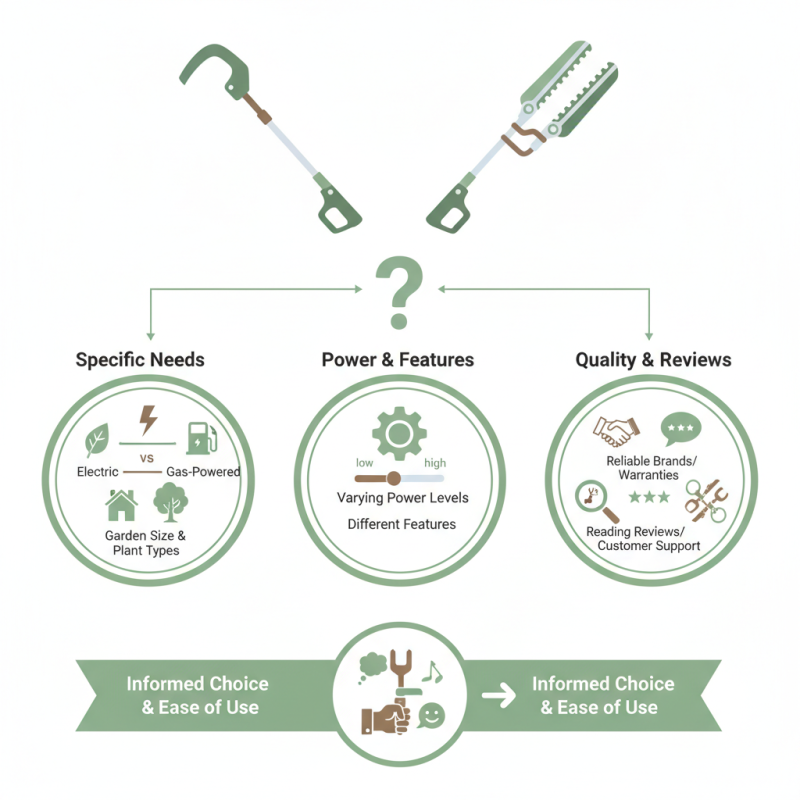
When selecting a Pole Saw or Pole Hedge Trimmer, consider your specific needs. Different models offer varying power levels and features. You may encounter options like electric or gas-powered tools. Each has its pros and cons. The right choice hinges on your garden size and the types of plants you maintain. For instance, heavier tools may seem durable, yet they can be cumbersome for small tasks.
Quality matters when investing in Pole Saw and Pole Hedge Trimmer. Reliable brands often provide warranties and customer support. Reading reviews can help in assessing a product's performance. Don't be swayed by fancy marketing; simple, efficient tools often outperform complex models. Always reflect on your experience and the ease of use a tool offers before finalizing your decision.
Understanding the Different Types of Pole Saws and Hedge Trimmers
Choosing the right pole saw and pole hedge trimmer can be challenging. Understanding the types available is crucial. Pole saws come in various forms, such as manual, electric, and gas-powered. Manual pole saws require physical strength and offer more control. Electric models are lightweight and quieter, ideal for residential use. Gas-powered options provide more power but can be heavier and less user-friendly.
When it comes to pole hedge trimmers, there are also several types to consider. Corded electric trimmers work well for small yards. Battery-operated models offer flexibility without cords but may require frequent recharging. Gas trimmers are suitable for larger areas, as they deliver continuous power. Each type has its pros and cons.
Users often struggle with choosing between these options. A manual tool may seem like a good idea, but it can lead to fatigue. On the other hand, gas-powered models can be overkill for smaller gardens. Each choice has unique implications on ease of use and maintenance. It’s important to assess your specific needs and capabilities before making a decision.
Key Features to Consider When Selecting a Pole Saw
When selecting a pole saw or pole hedge trimmer, certain features stand out. The power source is critical. Electric models are lighter but may not cut as deeply as gas-powered versions. According to a report from the American Society of Horticultural Science, gas models provide enhanced performance but come with increased weight and higher emissions.
Length is another important factor. A longer pole enables you to reach higher branches without a ladder. However, longer tools can be unwieldy. A study by the National Gardening Association found that users preferred a balanced weight over extreme length for better control.
Safety features also deserve attention. Look for insulated grips and safety switches. A tool that is difficult to handle can lead to accidents. Comfort matters too; ergonomic designs can reduce fatigue. Industry surveys indicate that up to 30% of users experience discomfort during long tasks. These insights underline the importance of making an informed decision when choosing a pole saw or hedge trimmer.
Evaluating the Power Sources: Electric vs. Gas vs. Manual
Choosing the right power source is crucial when selecting a pole saw or pole hedge trimmer. Three main options are available: electric, gas, and manual. Each has unique benefits and drawbacks. Research suggests that about 60% of homeowners prefer electric models for their ease of use and low maintenance. These tools are lightweight and quieter, making them ideal for residential areas.
Gas-powered models offer more power and longer runtimes, which can be appealing for larger properties. Studies show they can cut through thicker branches easily. However, they also require regular maintenance and have a higher environmental impact due to emissions. On the other hand, manual options, while labor-intensive, provide complete control and are eco-friendly. They can be effective for tasks requiring precision in small spaces.
Tips for selection: consider your landscape size and type. If your yard has numerous trees, a gas model may be better. For smaller spaces, an electric option suffices. Always evaluate your comfort and stamina, as using a heavier gas model can be tiring. Choosing a tool that suits your specific needs will lead to effective lawn care.
Safety Tips and Best Practices for Using Pole Tools
Using pole tools like saws and hedge trimmers requires a keen focus on safety. According to the U.S. Consumer Product Safety Commission, 42,000 injuries each year are linked to power tools. This indicates the importance of understanding proper safety practices. Always wear protective gear: goggles, gloves, and sturdy footwear. These items reduce the risk of injury. Ensure your work area is free of debris and hazards, to prevent accidents.
Before using a pole saw or hedge trimmer, conduct a thorough inspection. Check for frayed cords or loose parts. If something seems off, avoid using the tool until it’s fixed. According to industry experts, 25% of tool-related injuries occur due to neglected maintenance. Consider your stance and balance as well. A secure footing enhances control over the tool.
Training is vital. Familiarize yourself with the specific operation of each tool. This includes understanding the mechanics and proper handling techniques. Manuals often provide valuable insights, though few users read them. Investing time in learning can significantly decrease potential risks. Remember, a well-informed operator is a safer one. Avoid rushing through tasks; always take your time.
Maintenance and Care for Longevity of Your Tools
Taking care of your pole saw and pole hedge trimmer is essential for longevity and performance. Regular maintenance ensures that these tools remain effective. After each use, clean the blades. Remove any sap, dirt, or debris. A simple brush can do wonders. Check the oil levels in gas-powered models. Low oil can cause engine damage and reduce efficiency.
Inspect the power cords and grips for wear. Replacing a frayed cord is safer than risking an electrical shock. Sharpen the blades as needed. Dull blades produce uneven cuts and increase strain on the motor. Store tools in a dry place. Humidity can lead to rust and corrosion. An organized space keeps tools accessible and in good condition.
Tool longevity often hinges on user habits. Overusing tools can cause wear and tear. Be mindful of the task at hand. If an area seems too dense, consider smaller jobs. Using the right technique can prolong the tool’s lifespan. Reflecting on these practices will lead to better results in the long run. Proper care transforms a simple tool into a reliable companion.