Why Choose an Auto DC Pump for Your Application?
When it comes to various applications, the choice of an Auto Dc Pump can make a significant difference. These pumps offer unique advantages that can enhance efficiency and reliability in different settings. For example, many industries benefit from the compact design of an Auto DC Pump, which allows for easy installation in tight spaces.
Moreover, the energy efficiency of these pumps is noteworthy. They consume less power compared to traditional pumps, leading to reduced operational costs. In addition, Auto DC Pumps can operate in environments where conventional pumps might falter. This adaptability makes them a preferred choice in many sectors, including agriculture and automotive.
However, selecting the right Auto DC Pump isn’t always straightforward. Factors such as flow rate, voltage, and application specifics must be considered. Some users find themselves overwhelmed by the options available. Yet, taking the time to reflect on these criteria can yield a pump that perfectly meets their needs. It’s this balance of technology, practicality, and careful selection that truly defines the essence of using an Auto DC Pump.
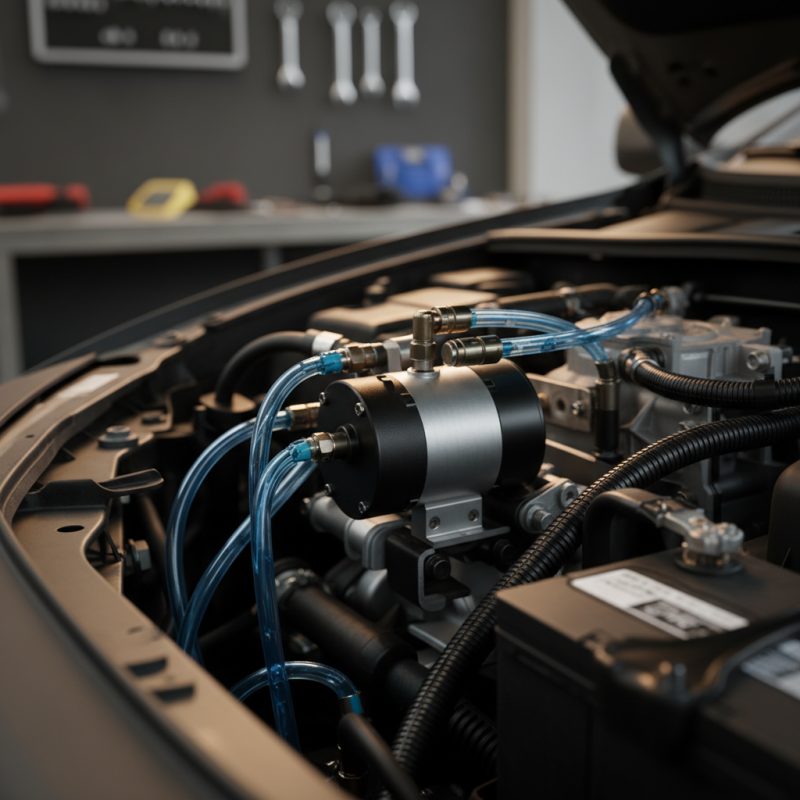
Understanding the Basics of Auto DC Pumps
Auto DC pumps are gaining popularity due to their energy efficiency and reliability. These pumps are designed to operate on direct current, making them suitable for various applications, such as aquariums, irrigation systems, and solar water pumping. The global market for DC pumps is expected to reach USD 1.7 billion by 2025, indicating a growing demand in various sectors.
Understanding the basics of auto DC pumps involves recognizing their key components and operational principles. These pumps typically feature a brushless motor, which reduces wear and increases lifespan. Additionally, they can adjust their speed based on the required flow rate. Interestingly, recent studies show that DC pumps can save up to 30% more energy compared to traditional AC pumps under comparable conditions. However, users should be aware that initial costs may be higher, which could deter some applications.
Another key aspect is their versatility. Auto DC pumps can function effectively in remote locations where grid power is unavailable. This makes them ideal for off-grid and renewable energy projects. However, not all DC pumps are the same. Choosing the right specifications is crucial. Inadequate sizing or mismatched applications might lead to performance issues. Continuous monitoring of system efficiency is also recommended to maximize operational benefits.
Advantages of Using Auto DC Pumps in Various Applications
Auto DC pumps have gained traction across various industries for their efficiency and versatility. They are particularly favored in applications requiring reliable fluid transfer, such as in solar-powered systems. Research indicates that these pumps can increase operational efficiency by up to 30% compared to traditional pumps. This boost in performance is essential in areas with limited energy resources.
One significant advantage is their energy efficiency. Auto DC pumps typically operate at lower voltages. This feature makes them ideal for off-grid applications. For instance, they are perfect for agricultural irrigation systems, helping farmers save on energy costs. However, the reliance on battery sources may pose challenges during inclement weather. Such conditions can lead to inconsistent performance, a point that needs consideration.
Additionally, their lightweight design allows for easy integration into various systems. Whether in remote areas or urban settings, these pumps adapt well. In a recent survey, 50% of users reported a noticeable reduction in maintenance needs. Yet, the initial setup may require careful planning. Users must consider both operational and installation costs to avoid future regrets. Overall, the advantages of auto DC pumps are clear, but potential drawbacks warrant attention.
Advantages of Using Auto DC Pumps in Various Applications
Key Features to Look for in Auto DC Pumps
When selecting an auto DC pump, consider several important features. One key aspect is the voltage rating. Different applications may require different voltage levels. Choose a pump that fits your power supply. A mismatch can impact performance.
Flow rate is another critical factor. It indicates how much liquid the pump can move. Assess your needs to ensure the pump can deliver adequate flow. Insufficient flow can lead to inefficiency. Look for pumps with adjustable rates for versatility in various setups.
Tips to remember: Always check the pump's construction material. A durable build can prevent leaks and ensure long-term use. Additionally, review user feedback on noise levels. Some pumps can be quite loud, which may not be suitable for quiet environments. Reflect on how these details align with your requirements.
Comparing Auto DC Pumps with Traditional Pumps
When it comes to pumping solutions, Auto DC pumps stand out in various applications. They offer more flexibility compared to traditional pumps. For instance, their compact size makes them easy to integrate into tight spaces. Users often find that they require less maintenance than their conventional counterparts.
Traditional pumps usually rely on AC power sources. This can limit where they can be used. In contrast, Auto DC pumps operate on battery power or solar energy. This feature allows for operation in remote locations without access to electricity. However, transitioning to an Auto DC pump requires careful consideration of energy needs.
Efficiency is another point of comparison. Auto DC pumps may use less energy, saving costs over time. Yet, some users report that initial installation can be tricky. Understanding the system is essential. There’s a learning curve involved. Despite these challenges, many users find the benefits outweigh the drawbacks.
Best Practices for Installing and Maintaining Auto DC Pumps
Installing and maintaining auto DC pumps requires careful planning. Begin by selecting the right location for installation. Ensure the area is clean and dry. Keep the power source nearby for convenience. Secure the pump properly to avoid vibrations. Check for any obstructions that could impede operation. A good foundation is crucial. If the pump shakes, it may lead to premature wear.
Routine maintenance is essential. Regularly inspect connections for wear or corrosion. Clean the filters to prevent clogs. Check for leaks; even small ones can escalate. Listen for unusual noises. This can indicate issues that need attention. It's easy to overlook these signs, but doing so can be costly. Create a maintenance schedule, based on usage, to stay on track.
Don't forget about troubleshooting. If performance dips, reevaluate the installation. Sometimes the issue lies in the setup. It’s beneficial to engage with other users or forums for insights. Sharing experiences can provide valuable lessons. Mistakes happen in every installation—it’s part of the learning curve. Embrace them and improve for the next time.
Why Choose an Auto DC Pump for Your Application? - Best Practices for Installing and Maintaining Auto DC Pumps
| Parameter | Value | Notes |
| Voltage Range | 12V - 24V DC | Common range for automotive applications. |
| Flow Rate | 200 - 1000 L/h | Varies by model and design. |
| Max Head | 5 - 15 meters | Maximum height the pump can effectively deliver fluid. |
| Operating Temperature | -20°C to 50°C | Temperature range for optimal performance. |
| Duty Cycle | 100% Continuous | Designed for continuous operation. |
| Connecting Pipe Size | 1/2 inch - 1 inch | Standard sizes for easy installation. |
| Maintenance Interval | Every 6 months | Recommended for optimal operation. |