Why Choose a 1 Pole Circuit Breaker for Your Home?
When it comes to home electrical systems, safety and efficiency are paramount. Choosing the right circuit breaker can significantly impact your energy consumption and overall protection. A 1 Pole Circuit Breaker is designed specifically for single-phase electrical circuits, which are common in residential settings. According to the National Electrical Manufacturers Association (NEMA), more than 70% of homes utilize single-phase power systems, making the 1 Pole Circuit Breaker an ideal choice.
Data from the Electrical Safety Foundation International (ESFI) indicates that circuit breakers prevent over 80% of electrical fires by interrupting the flow of electricity when a fault occurs. A 1 Pole Circuit Breaker provides essential protection for individual circuits, ensuring that appliances operate safely and without risk of overload. It's worth mentioning that while this type of breaker is effective, homeowners should still regularly inspect their systems for potential issues.
Purchasing a 1 Pole Circuit Breaker may seem straightforward, but it’s crucial to understand the nuances. Not every home needs the same size or type of breaker. With electrical systems evolving, finding the right specifications can be challenging. However, a thoughtful selection process can lead to safer homes and better energy management.
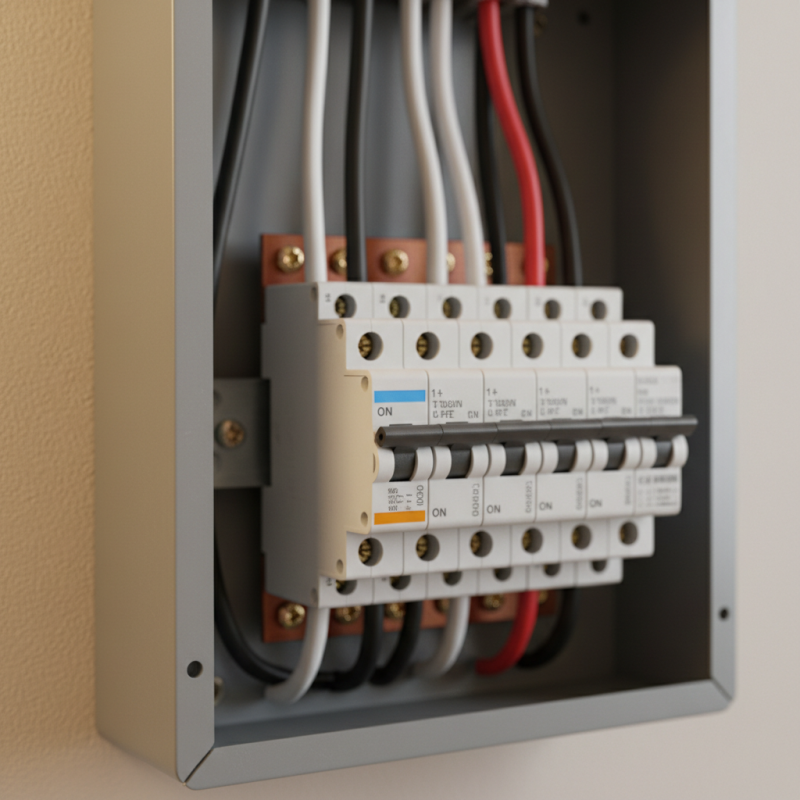
Understanding the Basics of Circuit Breakers and Their Functions
Understanding the basics of circuit breakers is essential for any homeowner. These devices protect electrical circuits from overload and short circuits. A 1 pole circuit breaker specifically protects a single circuit, making it ideal for small appliances.
Statistics show that residential electrical fires cause over 50,000 incidents annually in the U.S. alone. Many of these fires could be prevented with proper circuit protection. According to the National Fire Protection Association, faulty wiring and equipment are leading causes of these fires. A 1 pole circuit breaker can quickly disconnect power when it detects an anomaly.
While a 1 pole circuit breaker suits many applications, it’s vital to assess your home’s specific needs. An oversight in current rating or compatibility can lead to ineffective protection. In some cases, homeowners mistakenly opt for a breaker without understanding its limitations. Awareness and proper installation are key factors in maximizing safety and performance. Therefore, understanding circuit breaker basics can lead to informed decisions.
What is a 1 Pole Circuit Breaker and How Does It Work?
A 1 pole circuit breaker is a safety device that protects electrical circuits from overloads and faults. It interrupts the current flow when a problem arises, preventing potential hazards. This type of breaker is typically used for single-phase circuits. It’s designed to handle lower voltage applications in homes. In simple terms, when excessive current flows, the breaker trips and shuts off the electricity.
Understanding how a 1 pole circuit breaker works is essential. It uses a bi-metallic strip or electromagnetic mechanism to detect faults. When current exceeds the safe level, heat causes the strip to bend, or the electromagnetic force releases the connection. This automatic response is crucial for safety. However, if not properly installed, it may not function as intended. Some homeowners might overlook regular testing and maintenance. This can lead to failure in emergency situations, raising the risk of electrical fires.
In addition, there are limitations to consider. A 1 pole circuit breaker can only protect one circuit. This means larger homes may require multiple breakers. It’s important to assess your home’s needs correctly. Installing too few breakers may create additional dangers. Always consult with an expert if unsure. This can help ensure the system's safety and functionality.
Benefits of Using a 1 Pole Circuit Breaker in Residential Settings
When considering electrical safety at home, a 1 pole circuit breaker stands out. It connects one phase to the protected circuit. This simplicity leads to easier installation and maintenance. In residential settings, homeowners often need to manage space effectively. A 1 pole breaker is compact, saving space in the electrical panel.
One clear benefit is its cost-effectiveness. These breakers are generally cheaper than multi-pole breakers. This makes them ideal for minor circuits in homes, like lighting and outlets. However, some might overlook their capacity. They are suitable for low-power applications, but insufficient for larger loads. It's essential to assess your home’s power requirements.
Reliability is another significant advantage. They can quickly trip during overloads or short circuits, enhancing safety. Homeowners can feel secure knowing their systems are protected. Yet, there are cases where these breakers can be overworked. Regular checks are necessary to prevent potential failures. Understanding these nuances is crucial for optimal home safety.
Installation Considerations for 1 Pole Circuit Breakers in Homes
When considering the installation of 1 pole circuit breakers in homes, safety is a key factor. These breakers are designed for single-phase electrical systems. They can protect individual circuits while allowing for easy resets. According to the National Fire Protection Association, circuit breakers prevent nearly 80% of electrical fires when installed correctly. This statistic highlights their importance in residential setups.
Installation does require attention to detail. Proper sizing is crucial. A 1 pole circuit breaker typically handles up to 15 or 20 amps. Oversizing can lead to circuit failure. According to the Electrical Safety Foundation International, improperly installed breakers account for 30% of electrical issues in homes. Thus, homeowners should consult a licensed electrician if they're uncertain about the installation process.
Wiring must also be assessed. Incorrect wiring can compromise the effectiveness of a breaker. A well-made connection ensures safety and durability. Components should be chosen based on local codes. Nevertheless, there’s sometimes confusion regarding load calculations. Many homeowners underestimate the power needs of their appliances. This lack of understanding can lead to frequent trips or, worse, electrical hazards.
Why Choose a 1 Pole Circuit Breaker for Your Home?
This bar chart illustrates the advantages of using a 1 Pole Circuit Breaker in home installations, focusing on key factors such as Cost, Space Efficiency, Safety Rating, and Installation Ease. Each factor is assessed on a scale from 1 to 10.
Common Applications and Situations for 1 Pole Circuit Breakers
When it comes to safety in electrical installations, choosing the right circuit breaker is crucial. A 1 pole circuit breaker serves specific applications in residential setups. These breakers are optimal for single-phase circuits found in typical household lighting and outlet systems. According to the National Electrical Manufacturers Association (NEMA), about 70% of residential circuits can effectively use single-pole breakers.
1 pole circuit breakers are commonly utilized for smaller appliances and dedicated circuits. They effectively protect equipment like refrigerators, lighting fixtures, or small power tools. However, users often overlook the importance of selecting the right amperage. Using a breaker that is too high can increase fire risks. A breaker rated near the appliance's current draw is typically safer.
**Tips:** Always verify the amperage rating before installation. It’s essential to check the electrical load requirements. Installing too powerful a circuit breaker can lead to equipment failure.
While their applications are straightforward, some homeowners struggle with installation and maintenance. Understanding local regulations and environment factors is vital. Make sure to read the code requirements for residential wiring in your area. Regular inspections are key to ensuring reliability. Ignoring maintenance can lead to circuit overloads.