How to Choose 51.2 V 160ah Li Ion Batteries for Your Needs?
Choosing the right battery can be challenging. This is especially true for the 51.2 V 160ah Li Ion Batteries. Their growing popularity makes understanding their specifications essential. According to Dr. Linda Chang, a battery technology expert, "Choosing the right battery is about balancing power, capacity, and safety." This insight highlights the importance of informed decisions.
When selecting a 51.2 V 160ah Li Ion Battery, consider your energy needs and application. These batteries are often used in renewable energy solutions. Their performance can vary based on cycle life and discharge rates. It's vital to assess your requirements carefully. Many users overlook details, leading to suboptimal choices.
Additionally, reliability and safety should not be neglected. High-quality 51.2 V 160ah Li Ion Batteries should come from reputable manufacturers. Research is key to ensuring lasting value. Many choices may seem appealing but can have hidden drawbacks. Taking the time to understand your options will lead to better outcomes.
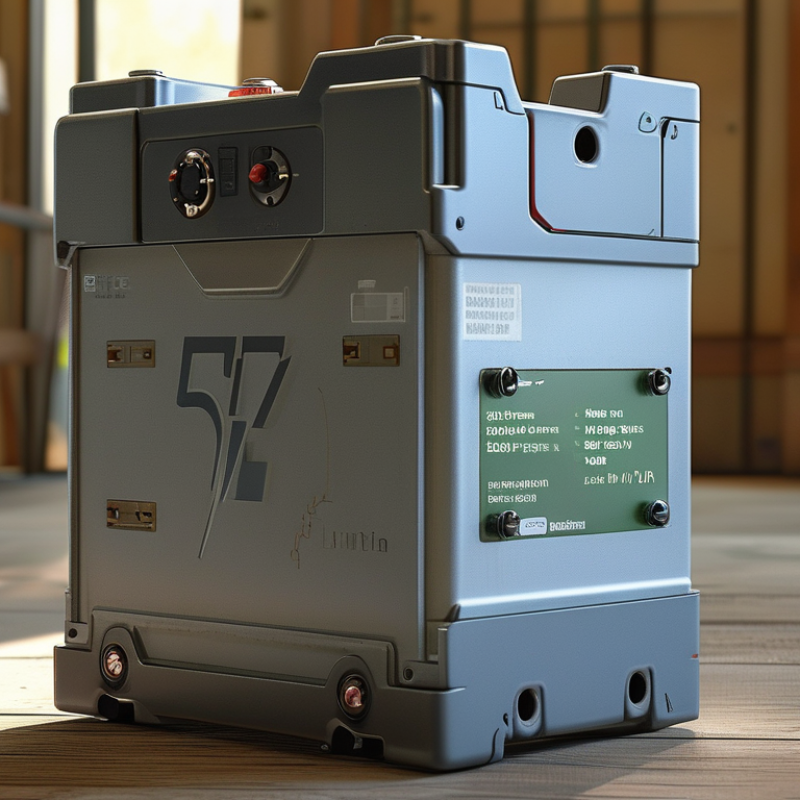
Understanding 51.2 V 160ah Li Ion Batteries: Key Features Explained
When considering 51.2 V 160Ah Li-ion batteries, understanding key features is essential. These batteries deliver a nominal voltage suitable for many applications, especially in renewable energy systems. Their 160Ah capacity indicates they can provide 160 amps of current for one hour, or lesser amounts for longer durations. Reports show that these batteries have a lifecycle of approximately 2000 to 4000 charge cycles, depending on usage and depth of discharge.
One crucial feature is their energy density. High energy density in these batteries means more power stored in a smaller space. This is advantageous for setups that require compact solutions. Additionally, their lithium-ion chemistry offers a lower self-discharge rate than lead-acid counterparts.
Research suggests that Li-ion batteries can lose about 2-3% of their charge per month, significantly lower compared to lead-acid batteries, which can lose 10% or more in the same timeframe.
However, it’s important to consider integration aspects. The battery management system (BMS) is vital for safety and efficiency. A reliable BMS monitors cell temperatures, voltage, and overall battery health, ensuring longevity. Users often overlook the need for proper installation and maintenance, which can lead to potential system failures.
While the advantages of these batteries are clear, they also require responsibility and understanding of their operational complexities.
Evaluating Your Power Needs: Determining Capacity and Voltage Requirements
When selecting a 51.2 V 160ah lithium-ion battery, understanding your power needs is crucial. Start by assessing how much energy your devices require. Consider the total watt-hours they consume over a typical usage period. For example, if you have devices that require a combined total of 1,000 watts, you will need a battery that can provide enough capacity to run them for your desired duration.
Voltage is another essential factor. Verify the voltage required by your devices, as it significantly impacts performance. A 51.2 V battery can serve a variety of applications, including solar systems and electric vehicles. However, mismatched voltage can lead to inefficiencies and potential damage. When in doubt, consult with professionals or refer to technical guidelines for your specific devices.
It’s also important to evaluate your future needs. Consider if you plan to expand your usage. A battery that meets your current demands might not suffice in a year. Reflecting on your power requirements helps prevent regrettable choices later.
Lastly, balance cost and performance. Cheaper options may seem attractive, but they often compromise quality and longevity. Take your time to ensure the best fit for your power needs.
Assessing Battery Lifespan: Factors Affecting Longevity and Performance
When choosing a 51.2 V 160ah lithium-ion battery, understanding factors that affect its lifespan is essential. Battery lifespan is determined by several critical elements, including charge cycles, temperature, and discharge rates. A typical lithium-ion battery can endure between 500 to 2,000 charge cycles, but this can vary greatly based on usage patterns.
Temperature plays a significant role in a battery’s longevity. High temperatures can accelerate chemical reactions within the battery, leading to faster degradation. Conversely, extremely low temperatures can diminish performance. Regularly monitoring the environment where you store and operate your battery is key.
Tip: Avoid exposing the battery to extreme temperatures. Store it in a cool, dry place for optimal performance.
Another crucial aspect is the discharge rate. Frequent deep discharges can shorten the battery’s life. Aim to keep the battery charged between 20% and 80% most of the time. This practice can enhance the overall lifespan.
Tip: Use a quality battery management system to monitor the state of charge and enhance safety and longevity.
Understanding these factors enables better decision-making regarding battery usage. It’s a continual learning process, and being attentive to these details will bring long-term benefits.
How to Choose 51.2 V 160ah Li Ion Batteries for Your Needs? - Assessing Battery Lifespan: Factors Affecting Longevity and Performance
| Battery Parameter | Specification | Impact on Longevity |
| Nominal Voltage | 51.2 V | Maintains stable performance and safety |
| Capacity | 160 Ah | Higher capacity leads to longer runtime |
| Cycle Life | 2000-3000 Cycles | Directly affects lifespan with proper use |
| Discharge Rate | 0.5C - 1C | Lower rates enhance battery lifespan |
| Operating Temperature | -10°C to 60°C | Extremes reduce performance and lifespan |
| Charge Voltage | 58.4 V | Overcharging can damage battery longevity |
| Management System | BMS (Battery Management System) | Monitors health and ensures safety |
Choosing the Right Brand: Reliability and Warranty Considerations
Choosing the right brand of 51.2 V 160 Ah Li-ion batteries can significantly impact your experience. Reliability is paramount. A trustworthy brand often provides superior quality and performance. Look for companies with a long history in battery manufacturing. Their experience can assure you that they understand the technology inside and out.
Warranty considerations are crucial. A robust warranty reflects a company’s confidence in its product. Ideally, a warranty should cover at least five to ten years. Some brands might offer attractive prices, but what about their after-sales support? It is often a good idea to read user reviews. This feedback can reveal hidden issues or highlight exceptional service.
Tip: Examine how quickly brands handle warranty claims. Delays can indicate underlying problems. In some cases, a lower price might suggest reduced reliability. Consider investing more for peace of mind. A quality battery should last for years without significant degradation.
Choosing wisely may take time, reflecting on your specific needs and brand reputation is beneficial. The right choice can transform how you power your devices, leading to a more satisfying experience.
Installation and Maintenance Tips for 51.2 V 160ah Li Ion Batteries
Proper installation and maintenance of 51.2 V 160ah lithium-ion batteries are crucial. First, ensure you have a clean and dry environment. Dust and moisture can lead to performance issues. Use insulated tools during installation to prevent short circuits. Regularly inspect connections for corrosion. Loose connections can cause power loss and heating.
Maintaining the battery requires periodic checks. Monitor the state of charge and temperature. Overcharging can reduce battery life. Ideally, charge the battery when it reaches 20-30% capacity. This practice preserves longevity. Keep the battery clean and check for any signs of wear or damage. If you notice swelling or discoloration, it's time to replace the unit.
You may find that understanding the battery's specifications can be overwhelming. It's essential to familiarize yourself with the technical details. Not everyone will grasp the intricacies right away. If you feel unsure, consult with a professional. Learning the nuances of battery care can save you headaches down the road. Being proactive is key to ensuring safe and efficient operation.
Battery Capacity Comparison for 51.2 V 160ah Li Ion Batteries
This bar chart compares the battery capacities of various systems that utilize 51.2 V 160ah Li Ion batteries. The data showcases how these systems vary in their capacity, providing insight into selecting the right battery according to your specific needs.