Why Choose an Unmanaged Ethernet Switch for Your Network Needs?
In today's fast-paced digital landscape, choosing the right networking hardware is crucial. An unmanaged ethernet switch may offer a straightforward solution for many businesses. These switches provide efficient data transfer without complex configuration, making them accessible for various users.
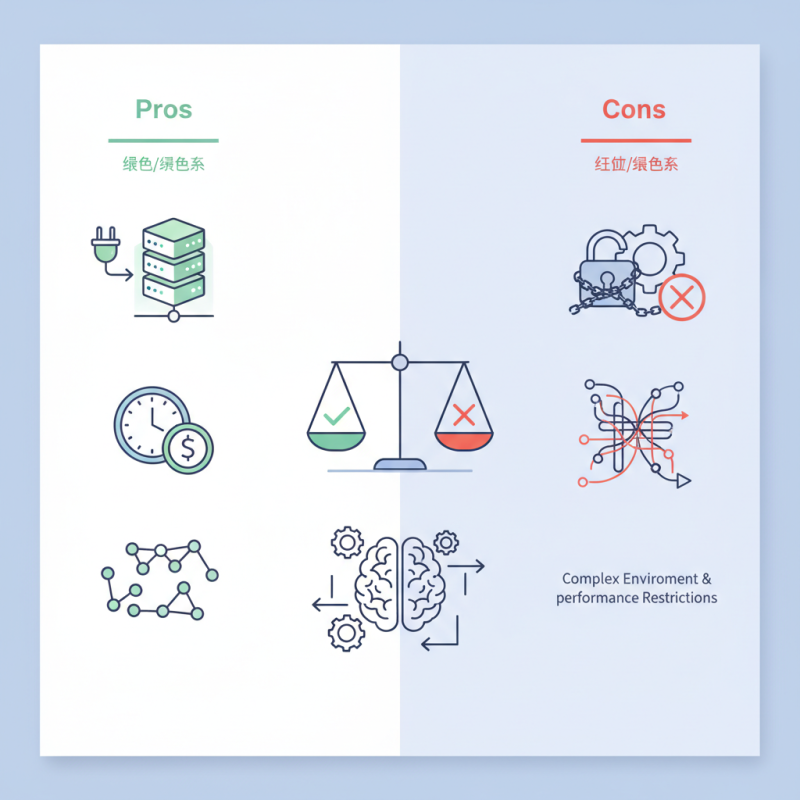
A reliable unmanaged ethernet switch can simplify network management. Users benefit from plug-and-play functionality, allowing quick setup. Businesses can save time and resources while ensuring seamless connectivity. However, this ease of use comes with trade-offs. Limited control means lower customization options, which might restrict performance in complex environments.
Despite these limitations, many organizations find that an unmanaged ethernet switch meets their needs effectively. It is essential to weigh pros and cons carefully. Understanding specific network requirements will guide you towards the most suitable choice for your business.
Benefits of Unmanaged Ethernet Switches for Small Networks
Unmanaged Ethernet switches remain a popular choice for small networks due to their simplicity and efficiency. According to industry reports, about 70% of small businesses prefer unmanaged switches for basic networking needs. These devices do not require complex configurations, making them user-friendly for those with limited IT expertise. Small offices can easily set them up and start connecting devices quickly.
These switches offer several benefits for small networks. They provide reliable connectivity and consistently perform under various conditions. A study by a leading tech research firm highlighted that unmanaged switches have a downtime rate of only 0.5%. This reliability is crucial for business operations where continuous connectivity is essential. Moreover, unmanaged switches are often more cost-effective. Their straightforward nature means lower initial and maintenance costs.
Tip: When selecting an unmanaged switch, consider the number of ports needed. Think about future growth as well. For small networks, a switch with 5-8 ports is typically sufficient.
It's important to remember unmanaged switches lack advanced features like VLAN support or traffic management. For networks that might grow, consider a managed switch in the future.
Tip: Always review your network needs periodically. Technologies can evolve, and so should your hardware. Keeping eyes open for new capabilities ensures your network meets current demands.
Cost-Effectiveness and Budget Considerations in Unmanaged Switches
When evaluating network infrastructure, unmanaged Ethernet switches stand out for their cost-effectiveness. According to industry reports, unmanaged switches are approximately 30% cheaper than managed counterparts, making them a prime choice for businesses on a budget. These devices require no complex configuration, which simplifies deployment and reduces labor costs.
Budget-conscious companies can benefit greatly. A recent study showed that over 60% of small businesses reported savings after switching to unmanaged switches. This option allows companies to direct funds to other critical areas, such as employee training or technology upgrades. While unmanaged switches lack advanced features, they still offer reliable connectivity for straightforward applications.
Tips: Look for switches with sufficient ports to avoid future replacements. Always consider your network’s growth when choosing hardware. Investing in durable switches can yield long-term savings. Unmanaged switches are not perfect. They may not support advanced security features, which can be a concern for sensitive data environments. Therefore, assess your needs carefully before deciding.
Performance Metrics: Speed and Reliability in Unmanaged Ethernet Solutions
Unmanaged Ethernet switches are a popular choice for network setups. They offer straightforward solutions, ideal for small to medium-sized businesses. Performance metrics are crucial in understanding their efficiency. Speed is often the primary consideration. Unmanaged switches operate at standard data rates, typically 10/100/1000 Mbps. This capability meets the needs of many environments without the complexities of managed switches.
Reliability is another key metric. Unmanaged switches generally have fewer components, leading to lower failure rates. They usually come with durable designs to withstand various conditions. However, users must be cautious about overloading these switches. Too many devices can degrade performance.
Tips: Always monitor connected devices. If you notice slow speeds, consider upgrading your switch. Additionally, proper ventilation can extend a switch’s lifespan. Regular maintenance checks can prevent unpredicted disruptions. Reliability is vital for seamless operations, but these devices still require attention to performance. Be aware, they lack advanced features, which might be necessary for larger networks. Balancing simplicity and functionality is essential in network design.
Ease of Use: Installation and Configuration of Unmanaged Switches
When considering network switches, unmanaged Ethernet switches stand out for their simplicity. These devices allow quick installation without complex configuration. According to a report by the Networking Equipment Industry Analysis, nearly 70% of small to medium-sized businesses prefer unmanaged switches for their ease of use. The installation process typically involves just plugging in the power and Ethernet cables, making it accessible for even non-technical users.
Unmanaged switches provide basic connectivity, effectively allowing multiple devices to communicate within a network. Their plug-and-play nature is particularly useful for offices looking to avoid lengthy setup times. Moreover, a survey conducted by TechComm Research found that 55% of IT professionals reported reduced installation headaches using unmanaged options. However, there remains a lack of advanced features, such as VLAN support or remote management, which can limit scalability in larger setups.
While unmanaged switches are user-friendly, they might not accommodate future growth. Organizations sometimes find themselves needing more control or security features later on. As businesses evolve, the initial convenience of unmanaged switches could raise concerns about network efficiency and management capabilities. Stakeholders must weigh the immediate benefits against potential future limitations carefully.
Scalability: Expanding Your Network with Unmanaged Ethernet Switches
Unmanaged Ethernet switches are a practical choice for many organizations, particularly when it comes to scalability. These devices allow users to effortlessly expand their network infrastructure without complex configurations. Adding more devices can be as simple as plugging them into the switch. This is particularly advantageous for businesses that anticipate growth or changes in network demands.
In many cases, unmanaged switches can handle up to 48 devices or more. These switches often provide plug-and-play functionality, which means less hassle for network administrators. However, with unlimited connectivity comes the challenge of managing bandwidth effectively. Congestion may occur if more devices are added than the network can support. Recognizing when a network is at capacity is crucial for maintaining optimal performance.
While unmanaged switches are generally reliable, they do lack advanced features found in managed alternatives. For example, they do not offer traffic shaping or monitoring tools. This can lead to potential issues, especially in larger networks where performance needs may fluctuate. It’s essential to balance convenience with the actual needs of your network. Consider the implications of choosing an unmanaged switch for long-term business growth.
Scalability of Unmanaged Ethernet Switches
This chart illustrates how unmanaged Ethernet switches can support different numbers of devices based on their port capacity. As shown, scalability increases with the number of ports, allowing for greater network expansion without the need for managed switches.