Why Choose Sound Absorption Insulation Material for Your Projects?
In an increasingly noisy world, the importance of sound management cannot be overstated. Choosing the right materials for your projects is crucial, especially when it comes to sound absorption. Sound Absorption Insulation Material plays a key role in enhancing the acoustic environment of any space. This material effectively reduces noise and reverberation, creating a more comfortable and productive setting.
However, many overlook the benefits of these materials. They may not realize how sound absorption can enhance both residential and commercial projects. By incorporating Sound Absorption Insulation Material, you can significantly decrease disruptive echoes and external noise intrusion. This decision can lead to a more serene atmosphere and improve overall well-being.
Understanding the types of sound absorption materials available is essential. From fiberglass panels to foam tiles, each option has distinct properties and applications. Selecting the right insulation is not merely about cost; it demands thoughtful consideration of your specific sound control needs. A wrong choice can diminish the desired effect, reminding us that careful planning is vital. In this journey, the right guidance can make all the difference.
Understanding the Basics of Sound Absorption Insulation Materials
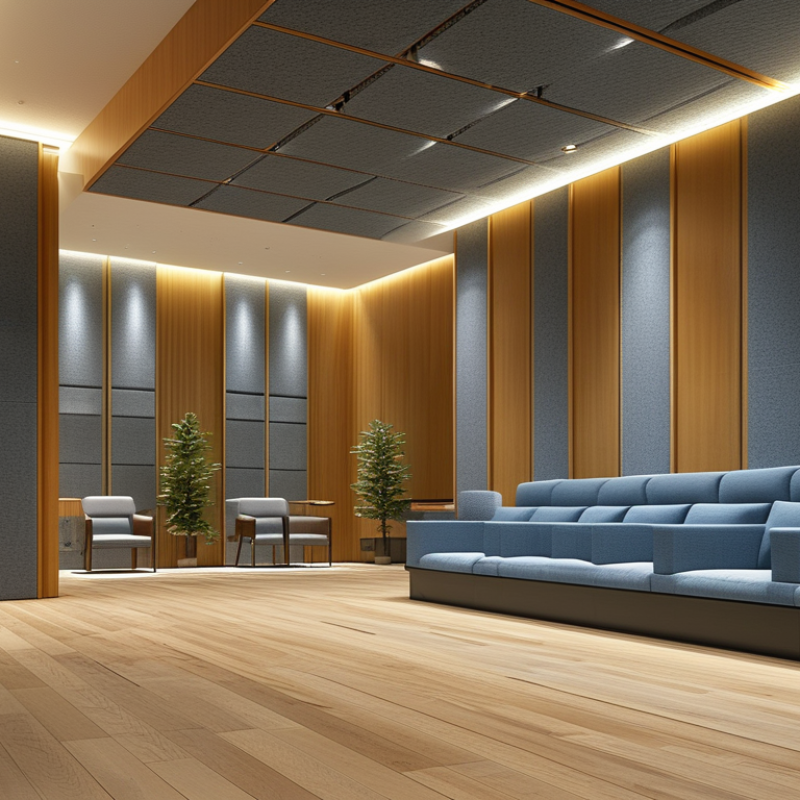
Sound absorption insulation materials play a crucial role in modern construction projects. They help minimize noise levels, creating a more comfortable environment. These materials absorb sound waves, reducing echo and reverberation in a space. This feature is particularly beneficial in areas like offices, schools, and theaters.
When selecting sound absorption materials, consider their density and thickness. Denser materials often perform better in sound reduction. However, this does not always mean they are the best choice for every project. The specific needs of the space must be assessed. For instance, lightweight options may be suitable for temporary installations but may lack durability.
Addressing sound issues is complex. While some materials excel in absorption, they might not align with aesthetic goals. Balancing effectiveness and design is essential. In some cases, additional treatments may be necessary to achieve optimal sound control. This trial and error process can lead to improved outcomes. Experience in material selection matters, as what works for one project might not suit another.
Why Choose Sound Absorption Insulation Material for Your Projects?
| Material Type | NRC Rating | Application Areas | Thickness (inches) | Fire Rating |
| Mineral Wool | 0.90 | Studios, Theater Rooms | 2 | Class A |
| Acoustic Foam | 0.85 | Home Theaters, Recording Studios | 1 | Class B |
| Fiberglass Insulation | 0.75 | Walls, Ceilings | 3 | Class A |
| Cotton Batts | 0.80 | Residential, Commercial | 2 | Class A |
| Perforated Panels | 0.95 | Concert Halls, Auditoriums | 1.5 | Class A |
Key Benefits of Using Sound Absorption Insulation in Construction Projects
Choosing sound absorption insulation material in construction projects offers notable advantages. According to a study by the National Institute of Building Sciences, proper sound insulation significantly enhances occupant comfort. These materials can reduce noise pollution by 20-30 dB, creating a more peaceful environment in both residential and commercial spaces.
In addition to comfort, sound absorption insulation can impact productivity. Research from the Acoustical Society of America indicates that workplaces with effective sound insulation see a 10-15% increase in overall employee efficiency. This is particularly vital in open office designs often criticized for their noise levels. However, it's essential to select appropriate materials to achieve these benefits. Not all insulation provides the same level of sound absorption.
Beyond performance metrics, integrating sound absorption insulation can also yield long-term savings. The initial investment can lead to reduced costs in energy and maintenance. Nevertheless, some projects may overlook the importance of acoustic planning, often dragging into costly retrofits. Evaluating material choices and adhering to acoustic principles can prevent future challenges, enhancing both the efficiency and comfort of any project.
Types of Sound Absorption Insulation Materials Available on the Market
When selecting sound absorption insulation materials, various types are available on the market. Acoustic foam panels offer excellent sound absorption. They are lightweight and easy to install. These panels can be used in home theaters or recording studios.
Mineral wool is another option. It provides thermal insulation while reducing noise. This material is fire-resistant and eco-friendly. It's suitable for both residential and commercial buildings.
Tips: Consider the specific needs of your project. Measure the area and assess the sound levels. You may need different materials for various spaces.
Fiberglass insulation is widely used. It absorbs sound and minimizes echo. However, it requires careful handling due to health concerns. Always wear protective gear during installation.
Before making a choice, reflect on your project's goals. Different materials have distinct features. Sometimes, a combination of materials yields the best results.
Types of Sound Absorption Insulation Materials and Their Effectiveness
This chart displays the effectiveness of various sound absorption insulation materials based on their Noise Reduction Coefficient (NRC) ratings. Higher NRC values indicate better sound absorption properties.
Factors to Consider When Choosing Sound Absorption Insulation
When selecting sound absorption insulation material, key factors demand careful consideration. Different environments require varied levels of sound insulation. For example, a recording studio needs higher sound absorption than a residential area. It’s critical to assess the specific needs of your project. Understanding the sound frequency of the space can help achieve the desired acoustics.
The material's density plays a significant role in its performance. Denser materials often trap sound better. However, cost might be a concern. Balancing quality and budget is essential. Installation methods also affect effectiveness. A well-installed product ensures maximum benefit. Poor installation can lead to sound leakage and reduced performance.
Another factor is maintenance. Over time, some materials may require upkeep to maintain their effectiveness. This can add to long-term costs. Evaluating the material's durability is essential for making a wise choice. While it is tempting to opt for the cheapest option, considering longevity is crucial. Each project teaches valuable lessons; reflect on past experiences to inform future decisions.
Applications of Sound Absorption Insulation in Various Industries
In various industries, sound absorption insulation materials play a crucial role. They are essential in spaces like offices, schools, and hospitals. These materials minimize noise levels, creating a more productive and comfortable environment. Many industries benefit from reduced noise pollution.
In the construction sector, sound absorption materials improve the quality of living spaces. They are installed in walls, ceilings, and floors. In educational institutions, these materials enhance learning by ensuring quieter classrooms. Students can focus better when distractions are minimized. Healthcare facilities also see significant advantages. Quiet patient rooms improve recovery and well-being.
However, selecting the right sound absorption material can be challenging. Variability in performance and aesthetic needs requires careful consideration. Some materials might not be suitable for every application. Understanding the specific requirements of each project is vital. Balancing cost, effectiveness, and design can lead to effective outcomes. Sound absorption insulation is a valuable investment when chosen wisely.