How to Choose the Right Spin Down Filter for Your Needs?
Choosing the right Spin Down Filter is crucial for maintaining your water system's efficiency. These filters play a vital role in removing debris and protecting your plumbing. When selecting a Spin Down Filter, consider various factors for optimal performance.
It’s essential to assess your water quality and system needs. Different filters cater to different requirements. A filter that works for one system may not suit another. You should understand the mesh size and flow rate that best fits your situation. Experience matters here, as incorrect choices can lead to problems.
In addition to specifications, consider manufacturer reputation. Established brands often provide reliable products backed by expert knowledge. Explore user reviews and ratings to validate your choice. Remember, a poorly chosen Spin Down Filter can lead to increased maintenance costs and inefficiencies. Make informed decisions to enhance your system's longevity.
Understanding Spin Down Filters and Their Functionality
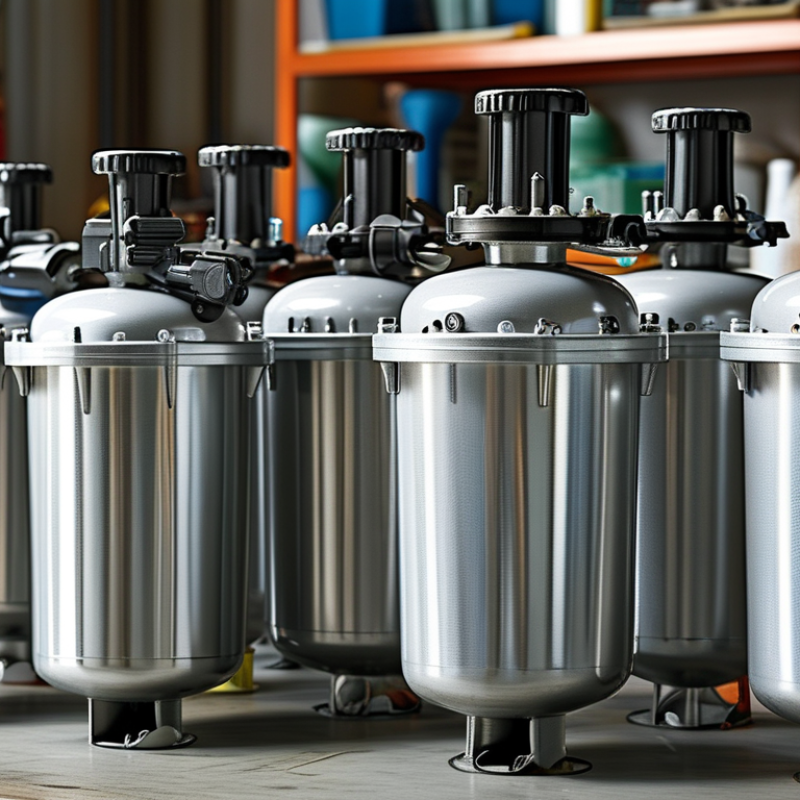
Spin down filters play an essential role in maintaining fluid systems, particularly in irrigation and industrial applications. These filters are designed to remove sediment, dirt, and other contaminants from water. Understanding their functionality is crucial to choosing the right type for your needs. A typical spin down filter utilizes centrifugal force to separate larger particles from the water stream, allowing for effective filtration and extended service life.
When selecting a spin down filter, consider the water quality and the specific contaminants present. Not all filters perform equally well in every situation. Some filters may excel in removing sediment, while others are better suited for specific contaminants like sand or rust. It’s important to evaluate their mesh size, flow rate, and ease of maintenance. Reliable filters should allow for easy cleaning without extensive disassembly.
It’s worthwhile to note that not all applications require a high-end filter. In some cases, a basic model may suffice. Observing filter performance over time can reveal if a change is necessary. This can lead to unintended consequences if operators neglect proper maintenance schedules. A filter that works well today could fail under different conditions tomorrow, so continuous evaluation is key.
Identifying Your Water Quality Needs and Contaminants
Identifying your water quality needs is vital for selecting the right spin down filter. Start by testing your water. Look for common contaminants like sediment, rust, or organic matter. These elements can affect not only the taste but also the safety of your water. Understanding what is in your water allows you to make informed choices.
Consider the specific contaminants you want to address. If you have high sediment levels, a filter with a finer mesh size might be necessary. However, find a balance; finer filters may clog faster and require frequent cleaning. Also, reflect on your water usage. High-consumption households may need filters that can handle larger volumes without impairing flow rates.
Not all filters are created equal. Research each option based on your identified needs. Look for user reviews and expert recommendations. Don’t overlook long-term maintenance costs, as they can add up. Make your selection based on real data, but stay aware of potential gaps in your understanding. Sometimes, the filtering process may not remove all contaminants, leading to unexpected health risks. Always be ready to reassess your choice as your water quality changes.
Key Factors in Selecting the Right Spin Down Filter Size
Choosing the right spin down filter size requires careful consideration. One key factor is flow rate. Determine how much water flows through your system. A filter that cannot handle this rate will clog quickly. Clogging can diminish performance and may lead to costly repairs. It’s crucial to match the filter capacity with usage needs.
Another important aspect is the expected particles size. If your water sources contain larger debris, a larger filter mesh will be necessary. Using a mesh that’s too fine may result in frequent blockages. Assess the environmental conditions as well. Sediment levels can vary. This variability can impact filter maintenance frequency.
Lastly, consider installation space. A filter that's too large may not fit properly. Analyze your plumbing setup. Reflect on how often you want to clean or replace the filter. Each decision influences overall efficiency. The right size combines effectiveness with maintenance ease.
Evaluating Filter Materials and Maintenance Requirements
Choosing the right spin down filter requires careful consideration of filter materials and maintenance needs. The material chosen for the filter affects its longevity and performance. Common options include stainless steel, plastic, and bronze. Stainless steel is durable and withstands various pressures, but it may cost more. Plastic filters are lighter and often less expensive, yet they may not hold up as well over time. Bronze offers excellent protection against corrosion but is heavier. Each material has its strengths, so it's vital to assess your specific environment.
Maintenance also plays a critical role in filter selection. Some filters require frequent cleaning to maintain flow rates, while others can go longer between maintenance intervals. If you're not willing to check the filter often, consider models that feature self-cleaning mechanisms. Regular maintenance is essential for optimal performance. However, depending on the material, this routine can vary significantly. An overlooked filter can lead to reduced efficiency, illustrating the importance of integrating your maintenance capabilities with your filter choice. Be realistic about your time and resources when selecting a filter.
Comparing Different Brands and Models of Spin Down Filters
When selecting a spin down filter, understanding the landscape of available brands and models is crucial. A recent industry report indicates that nearly 70% of consumers prioritize efficiency over cost when choosing filtration systems. Effective filtration is not just about removing sediment; it’s also about maintaining flow rates. Different models vary significantly, with some achieving sediment removal of up to 99% without constricting flow.
One notable comparison lies in filtration mesh size. Filters with a finer mesh can capture smaller particles, while those with larger openings may allow more sediments to pass through. Consumer feedback shows that a 100-micron filter is commonly favored for general residential use, balancing sediment capture with flow. However, this doesn't mean a larger mesh is always inferior; it can be preferable in systems designed for dealing with larger debris.
Moreover, durability is a factor worth considering. Many models claim to be long-lasting, but data indicates that around 30% of filters fail within the first three years. This fact points to the importance of researching customer reviews and operational data. Understanding these nuances helps in making an informed decision that meets personal or professional water purification needs.