How to Choose the Right 10KV Electric Transformer for Your Needs?
In the evolving landscape of electrical engineering, the significance of choosing the right 10KV Electric Transformer cannot be overstated. A well-selected transformer ensures efficiency and reliable power distribution, directly impacting operational costs and energy performance. As per the latest report from the International Electrotechnical Commission, improper transformer selection can lead to increased energy losses by up to 25%. This highlights the need for informed decision-making in this specialized field.
Expert Daniel Hunt, a leading authority in transformer technology, states, "Understanding your specific requirements is crucial in selecting a suitable 10KV Electric Transformer." His insights resonate with industry trends. In recent years, the demand for customized solutions has increased. It's vital to consider factors such as load capacity, operational environment, and maintenance needs.
While many professionals focus solely on technical specs, overlooking unique site conditions can lead to failures. Ensuring durability and compatibility demands attention to detail. Therefore, practitioners must reflect on their criteria and remain open to continuous learning. Ultimately, selecting the right 10KV Electric Transformer is a blend of knowledge, experience, and adaptive strategies.
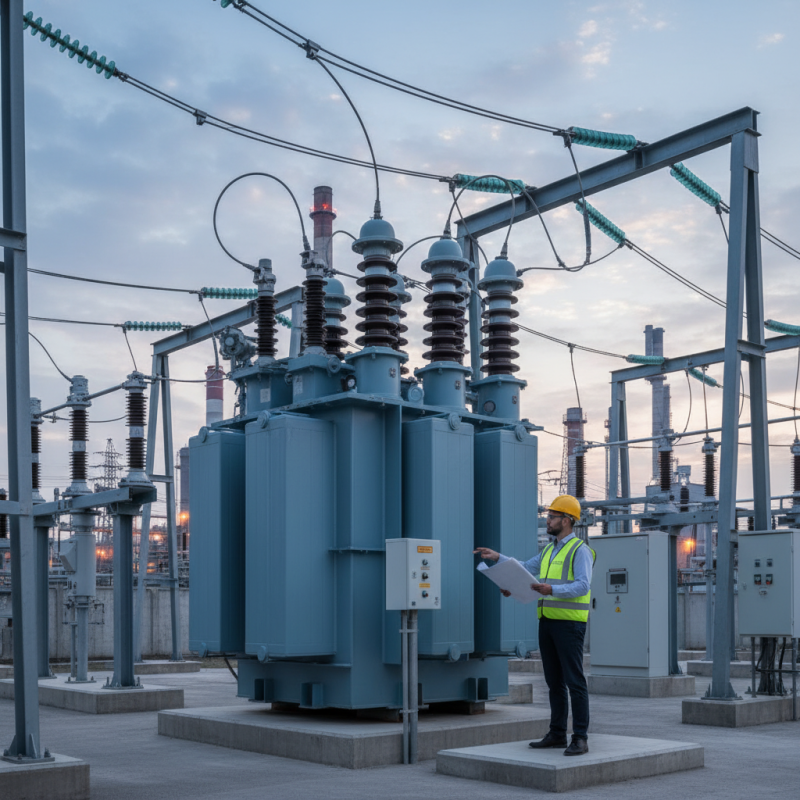
Understanding the Functionality of 10KV Electric Transformers
When selecting a 10KV electric transformer, understanding its functionality is crucial. A 10KV transformer converts high voltage electricity to a lower level for various applications. This process is essential for efficient power distribution in residential, commercial, and industrial settings. The transformer also minimizes energy loss, making it a vital component for any electrical system.
The construction of a 10KV transformer generally involves high-quality materials that resist wear and tear. Insulation properties play a significant role in performance. However, not all transformers are made equal. Consideration of factors such as load capacity and environmental conditions can impact long-term reliability. Oversizing or undersizing the transformer may lead to inefficiencies or damages, affecting overall system performance.
Furthermore, installation must adhere to safety regulations. Improper installation can lead to hazardous situations. Also, maintenance routines should be established to ensure ongoing functionality. Regular checks can reveal potential issues before they escalate. Investing time and resources into understanding these factors can save significant costs in the future.
Assessing Your Power Requirements for Efficient Selection
When selecting a 10KV electric transformer, assessing your power requirements is crucial. Begin by evaluating the total load you intend to power. Calculate the wattage of all devices that will run simultaneously. This ensures the transformer you choose can handle your demands without being overloaded.
One important aspect is considering future expansion. If you anticipate additional equipment in the future, opt for a transformer with a slightly higher capacity. This can save you from the hassle of upgrading later. Power fluctuations can occur, so factoring in a buffer for peak usage is wise.
**Tips:** Ensure you check the efficiency ratings of the transformer. Higher efficiency saves energy costs over time. Also, consult with a professional engineer if you're uncertain. Their expertise can clarify complex requirements and guide your selection.
Understanding your specific voltage needs is vital too. Mismatched voltages can lead to inefficiency or equipment damage. Double-check the voltage specifications of your appliances before making a purchase. This prevents potential regret later on.
Power Requirements and Transformer Ratings
Evaluating Transformer Specifications and Features
Choosing the right 10KV electric transformer requires a thorough assessment of specifications and features. Start with the transformer's voltage rating and power capacity. Ensure that it meets your system's requirements and can handle future load increases. Look for efficiency ratings as well. Higher efficiency can lead to long-term savings on energy costs.
Examine the insulation class and cooling method. These factors influence the transformer's durability and reliability in various environments. A cooling system prevents overheating, which is crucial for maintaining performance. However, some cooling methods may require more maintenance. Be prepared for this when making your decision.
Consider safety features like protection against overloads and short circuits. These are critical for preventing failures. Take note of any certifications or industry standards the transformer may meet. Such qualifications enhance reliability. Evaluate your specific needs carefully, and don't rush the decision process. A well-thought-out choice will pay off in the long run.
How to Choose the Right 10KV Electric Transformer for Your Needs?
| Specification | Description | Importance |
| Rated Power | Power capacity measured in kVA needed for your application. | Determines the maximum load the transformer can handle. |
| Voltage Ratio | Input voltage to output voltage ratio. | Essential for matching with the power supply and load requirements. |
| Efficiency | The ratio of output power to input power. | Higher efficiency reduces energy losses and operational costs. |
| Cooling Method | Type of cooling used (oil, air, etc.). | Impacts performance and longevity under load conditions. |
| Impedance | The opposition to current flow expressed in ohms. | Critical for understanding load distribution and voltage drop. |
| Regulation | Voltage change under load conditions percentage. | Indicative of transformer performance under varying load. |
| Dimensions | Physical size and weight of the transformer. | Influences installation space and structural requirements. |
| Compliance Standards | Regulatory requirements met (IEC, ANSI, etc.). | Ensures safety, reliability, and market acceptance. |
Considerations for Installation and Maintenance of Transformers
When installing a 10KV electric transformer, careful planning is essential. Choose a location away from high-traffic areas. This minimizes risks related to accidental damage. Ensure the area is well-ventilated to prevent overheating. Regular checks on ventilation can prolong the transformer's lifespan.
Maintenance of transformers involves routine inspections. Look for any signs of leaks or corrosion. Keep in mind that failure to address minor issues can lead to major problems. Stock essential parts for quick repairs. Scheduled maintenance can save time and money.
Consider environmental factors as well. Extreme temperatures can affect performance. Monitor the temperature around the transformer consistently. Also, ensure proper grounding to prevent electrical faults. Regular training for personnel on safety protocols is crucial. Maintaining a proactive approach helps to avoid costly downtime.
Analyzing Cost Factors and Return on Investment for Transformers
When choosing a 10KV electric transformer, cost factors play a crucial role. Initial purchase price is only the beginning. Installation and maintenance costs can vary significantly. Understanding the total cost of ownership is essential for making an informed decision.
Return on investment (ROI) must also be considered. Efficient transformers save energy, reducing monthly utility bills. Over time, this savings can offset initial costs. However, poor-quality transformers may lead to higher operational costs. An investment in a reliable, efficient unit pays off in the long run.
Take time to evaluate your specific needs. Consider load requirements, expected lifespan, and service reliability. Engaging with experienced professionals can provide valuable insights. The right transformer not only meets current demands but also supports future growth. Reflect on how these factors align with your long-term goals.