Why Choose Cast Stainless Steel for Your Next Project?
When considering materials for your next project, the choice of cast stainless steel is crucial. According to Dr. Emily Carter, a leading expert in metallurgical engineering, "Cast stainless steel combines durability with aesthetic appeal." This statement emphasizes why many industries are turning to this material for various applications.
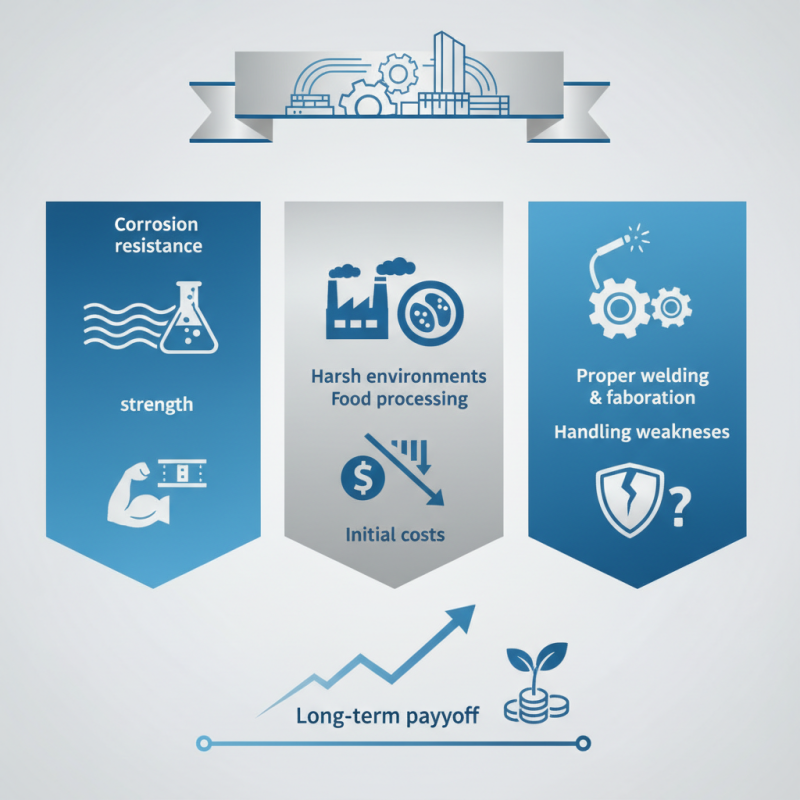
cast stainless steel offers excellent corrosion resistance and strength. These characteristics make it suitable for harsh environments, such as marine or chemical settings. For instance, in the food processing sector, cast stainless steel components maintain hygiene and withstand rigorous cleaning processes. However, it’s essential to consider the initial costs, which can be higher than alternatives.
Moreover, while cast stainless steel presents many advantages, it also requires thoughtful reflection. Proper welding and fabrication techniques are key to maximizing its benefits. If not executed well, improper handling can lead to weaknesses or defects. Thus, choosing cast stainless steel involves significant considerations, but it often pays off in the long run.
Benefits of Using Cast Stainless Steel in Construction Projects
When considering materials for construction projects, cast stainless steel stands out due to its strength and durability. Studies indicate that structures using cast stainless steel can achieve up to 50% greater lifespan compared to traditional materials. Its resistance to corrosion and high temperatures makes it ideal for various environments, especially those with harsh conditions. This longevity significantly reduces maintenance costs over time.
Tip: Always check for certifications in your material choice. Approved materials ensure safety and performance in your project.
Another benefit is its aesthetic versatility. Cast stainless steel can be molded into various shapes and finishes, providing designers with flexibility. Projects can range from sleek, modern architecture to intricate historical restorations. While a more expensive material upfront, its longevity can ultimately save costs. However, the initial investment can be a barrier for smaller projects.
Tip: Consider the long-term cost savings when budgeting for materials.
On the downside, cast stainless steel requires specialized skills for installation. Finding qualified contractors can sometimes slow down the process. Inexperienced handling may lead to less than optimal results. Balancing cost with quality is vital in this decision-making process. Every project has its unique needs, and stainless steel may not be the right fit every time.
Comparative Analysis: Cast Stainless Steel vs. Other Materials
When comparing cast stainless steel to other materials, several factors emerge. Cast stainless steel offers exceptional resistance to corrosion. Many industries prefer it due to its durability. In settings exposed to harsh chemicals, it often lasts longer than aluminum or mild steel. However, this material can be heavier and more expensive.
On the other hand, materials like plastic or carbon steel might be cheaper. Yet, they are less robust under tension or high temperatures. They can warp easily. A project may need to balance cost and performance, which isn't always straightforward.
Choosing cast stainless steel can lead to long-term savings. It requires less maintenance over time. Still, it may not always be the best fit for every application. Weighing the pros and cons is vital in the decision-making process. A thoughtful approach can prevent costly mistakes later on.
Key Properties of Cast Stainless Steel for Durability and Strength
Cast stainless steel stands out due to its remarkable properties. It combines the benefits of stainless steel with the flexibility of casting. This material is resistant to corrosion, making it ideal for harsh environments. It can withstand moisture, chemicals, and extreme temperatures. Thus, projects requiring durability should consider it seriously.
The strength of cast stainless steel is impressive. It has a high tensile strength, which ensures structural integrity. This means it won’t easily bend or break under pressure. Projects like piping systems or heavy machinery can greatly benefit from this strength. There are, however, challenges. While it is strong, the casting process can introduce imperfections. These flaws need careful inspection and testing.
In addition, cast stainless steel can offer design versatility. It can be shaped into complex geometries that meet specific requirements. This feature can save time in fabrication. Yet, the balance between creativity and functionality can be tricky. Designers must understand material limits to avoid operational issues. Overall, cast stainless steel presents both opportunities and challenges.
Why Choose Cast Stainless Steel for Your Next Project? - Key Properties of Cast Stainless Steel for Durability and Strength
| Property | Description | Benefit |
| Corrosion Resistance | Excellent resistance to corrosion, especially in harsh environments. | Increases longevity and reduces maintenance costs. |
| Mechanical Strength | High tensile and yield strength. | Provides durability and the ability to withstand heavy loads. |
| Thermal Resistance | Maintains strength in high-temperature environments. | Suitable for applications involving heat exposure. |
| Formability | Easily cast into complex shapes. | Allows for creative designs without sacrificing strength. |
| Aesthetic Appeal | Can be polished, providing a shiny finish. | Ideal for applications where appearance matters. |
| Wear Resistance | Resistant to abrasion and wear. | Increases the lifespan of components in high-movement applications. |
Common Applications of Cast Stainless Steel in Various Industries
Cast stainless steel is increasingly popular across various industries. Its unique characteristics make it suitable for many applications. The automotive sector often uses cast stainless steel for components that require high strength and corrosion resistance. Engine parts, exhaust systems, and decorative trims showcase the versatility of this material.
In the food and beverage industry, cast stainless steel is ideal for equipment that comes into contact with food. Its non-porous surface helps maintain hygiene. Furthermore, it withstands the high temperatures and aggressive cleaning chemicals typical in this sector. Shipbuilding also benefits from using cast stainless steel for essential components. This ensures durability in harsh marine environments.
However, challenges exist with cast stainless steel. The casting process can lead to imperfections. These may affect performance and aesthetics. Companies must carefully evaluate their designs. A focus on quality control during manufacturing is essential. Identifying flaws early can save costs later.
Cost-Effectiveness of Cast Stainless Steel for Long-Term Projects
Cast stainless steel is gaining attention for its cost-effectiveness in long-term projects. With the growing demand across industries, using this material can translate into significant savings. According to a report from the International Stainless Steel Forum, stainless steel products have a longer lifespan, often exceeding 30 years. This longevity reduces the need for frequent replacements, resulting in lower overall costs.
In addition to durability, cast stainless steel offers excellent resistance to corrosion. A study published by Materials Performance highlighted that structures made from stainless steel require less maintenance. This aspect is crucial for projects in harsh environments, such as chemical plants or coastal areas. However, it is essential to acknowledge that initial procurement costs can be high. Companies often underestimate the long-term savings when evaluating materials.
Investing in cast stainless steel may require careful budgeting upfront. Over time, the reduced maintenance and replacement needs make it a sensible choice. Not every project may benefit from this decision, but for many, the advantages outweigh the higher initial costs. A comprehensive cost analysis should be part of the planning stage to ensure this material aligns with project goals.