How to Choose the Best Fiber Laser Cutting Machine for Your Needs?
Choosing the best Fiber Laser Cutting Machine for your needs requires careful consideration. The precision, speed, and versatility of these machines have revolutionized metal cutting processes. According to a recent report by MarketsandMarkets, the global fiber laser market is projected to reach $3.7 billion by 2025, growing at a CAGR of 10.4%. This surge emphasizes the increasing importance of fiber lasers in industrial applications.
Understanding the specific capabilities and features of fiber laser cutting machines is crucial for businesses. Factors like power, cutting speed, and material compatibility must align with your production goals. Research from Grand View Research indicates that fiber lasers provide a 10-30% increase in efficiency compared to traditional cutting methods. However, many organizations underestimate the need for ongoing maintenance and operator training, which can impact performance.
In this rapidly evolving market, making an informed decision is not just beneficial but essential. Balancing cost-effectiveness with advanced technology is a challenge. Before investing in a Fiber Laser Cutting Machine, reflect on your unique requirements. A machine that excels in one area may not meet your needs in another. Careful evaluation is key to ensuring optimal performance and return on investment.
Factors to Consider When Selecting a Fiber Laser Cutting Machine
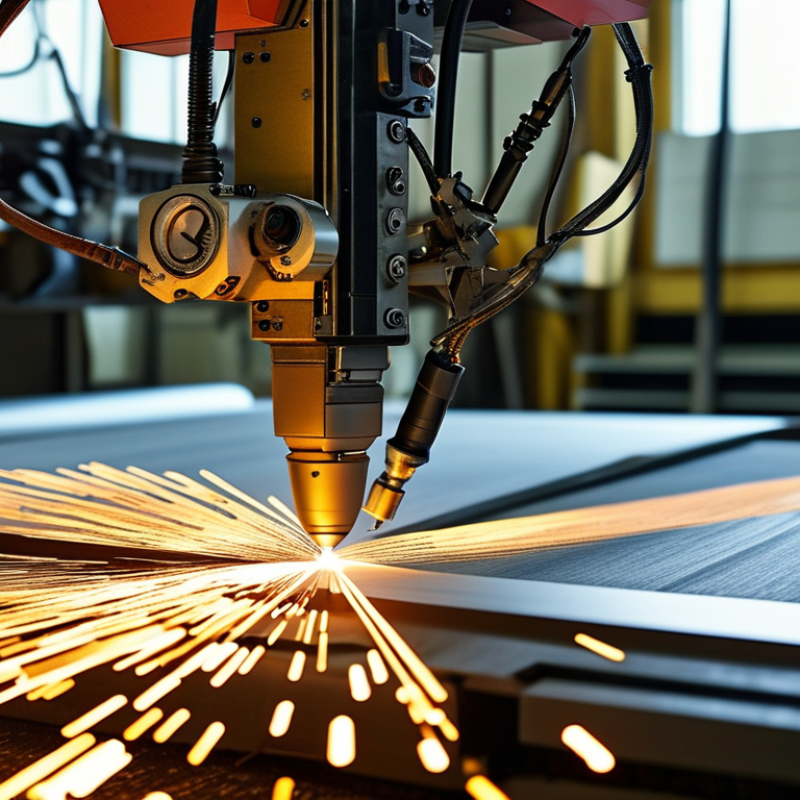
When selecting a fiber laser cutting machine, several key factors come into play. One of the most critical factors is the power of the laser. Higher wattage allows for cutting thicker materials more efficiently. If you work with various thicknesses, consider a machine with adjustable power settings. This flexibility can significantly enhance your productivity and adaptability in different projects.
Material compatibility is another vital consideration. Different lasers excel at cutting various materials like metal, wood, or plastics. Ensure the machine you choose can handle the specific types you work with. Moreover, research shows that some machines perform better at certain thicknesses, which can impact your choice. Testing different options before finalizing can save you a lot of headaches later.
Tip: Always consult with industry experts before making a decision. Their insights can highlight potential pitfalls or advantages you may have overlooked.
The overall design and usability of the machine matter too. A user-friendly interface can minimize training time for your employees. Features like automatic focusing devices can streamline the cutting process. Remember, even minor annoyances can lead to larger efficiency losses. Assessing feedback from those who already use the machines can give you a clearer picture of reliability and performance.
Understanding the Types of Fiber Laser Cutting Machines Available
When considering a fiber laser cutting machine, understanding the available types is crucial. There are, generally speaking, three main categories: CO2 laser cutters, solid-state lasers, and fiber lasers. Each has its own strengths and applications. Fiber lasers offer unmatched precision and efficiency, especially for metal materials. They work well for tasks requiring fine details and intricate designs.
CO2 laser cutters are recognized for their versatility. They can cut through wood, acrylic, and some metals. However, their efficiency drops when working with thicker materials. Solid-state lasers bridge the gap between CO2 and fiber lasers. They are often used in industrial applications due to their high power.
Choosing a machine isn't just about the type. It's important to consider your specific needs, like the materials you'll be working with. Additionally, the size of the cutting area matters, especially for larger projects. Reflect on your budget, too. Cutting machines can be a significant investment. Taking time to research will help in choosing a machine that aligns with your manufacturing goals.
Key Specifications to Evaluate: Power, Speed, and Precision
When choosing a fiber laser cutting machine, power is essential. Machines typically range from 1000 to 3000 watts for industrial applications. A higher wattage offers faster cutting speeds and thicker material capabilities. According to industry reports, a 3000-watt machine can cut carbon steel plates up to 25 mm thick with efficiency. This is crucial for operations that need to process heavy materials regularly.
Speed and precision play significant roles as well. Average cutting speeds can vary from 1 to 15 meters per minute, depending on material thickness and type. Precision is equally important; the best machines can achieve tolerances of ±0.1 mm. The ability to cut intricate designs relies on this precision. A small error in the cutting process can escalate costs and lead to waste.
Many buyers overlook the importance of compatibility with various materials. Different fibers handle metals, plastics, and composites differently. A versatile machine provides adaptability across various projects. It’s also vital to evaluate after-sales support and maintenance, which can impact long-term performance. Always assess whether the initial cost aligns with your production needs and scale. Reflecting on these aspects will lead to a more informed decision.
Assessing Your Material Compatibility and Thickness Requirements
When selecting a fiber laser cutting machine, material compatibility is a key factor. Different materials react differently to laser cutting. Metals like steel and aluminum need high power settings. Conversely, softer materials like acrylic might require less energy. Understanding your primary materials is essential for effective cutting.
Thickness is equally important. Each machine has limitations on how thick a material it can cut effectively. For instance, thinner metals are often cut quickly and precisely. However, thicker metals might need multiple passes, which can affect production time. Assessing your thickness requirements will help in choosing the right machine.
Also, consider the precision required for your projects. A machine ideal for basic shapes may not cut intricate designs well. Reflect on your needs and make adjustments. Choosing a machine without considering these factors can lead to unexpected challenges. It's crucial to align your machine selection with both material and design specifications.
Material Compatibility and Thickness Requirements for Fiber Laser Cutting Machines
Budgeting for Your Fiber Laser Cutting Machine Purchase and Maintenance
When budgeting for a fiber laser cutting machine, consider both the initial purchase cost and ongoing maintenance expenses. According to a recent industry report, operational costs can account for approximately 15-20% of the total investment annually. These expenses often include power consumption, replacement parts, and routine service. Therefore, a thorough understanding of these factors is crucial when crafting your budget.
Tips: Factor in hidden costs such as installation and training. Set aside funds for unexpected repairs. You might also want to explore warranty options that cover critical components.
Another critical point is the cost of materials. Fiber lasers are highly efficient, allowing for minimal waste. However, prices for materials can vary significantly. Research market prices for metals and composites you plan to cut. Ensuring you have a reliable supply chain can save you money in the long run.
Consider the potential return on investment. Even if the upfront cost is steep, a high-quality machine can enhance productivity. This increase often justifies the initial price tag. Engaging with industry experts and attending workshops can be beneficial in understanding the real-world implications of these decisions.
How to Choose the Best Fiber Laser Cutting Machine for Your Needs?
| Dimension | Value |
| Laser Power | 1000W - 6000W |
| Cutting Speed | 2 - 30 m/min |
| Max Cutting Thickness | 1 mm - 25 mm |
| Material Types | Steel, Aluminum, Brass, Copper |
| Average Cost | $10,000 - $150,000 |
| Maintenance Frequency | Every 100-200 hours |
| Power Consumption | 1.5 - 10 kW/hour |
| Warranty Period | 1 - 3 years |