How to Choose the Best Enclosure Heater for Your Needs?
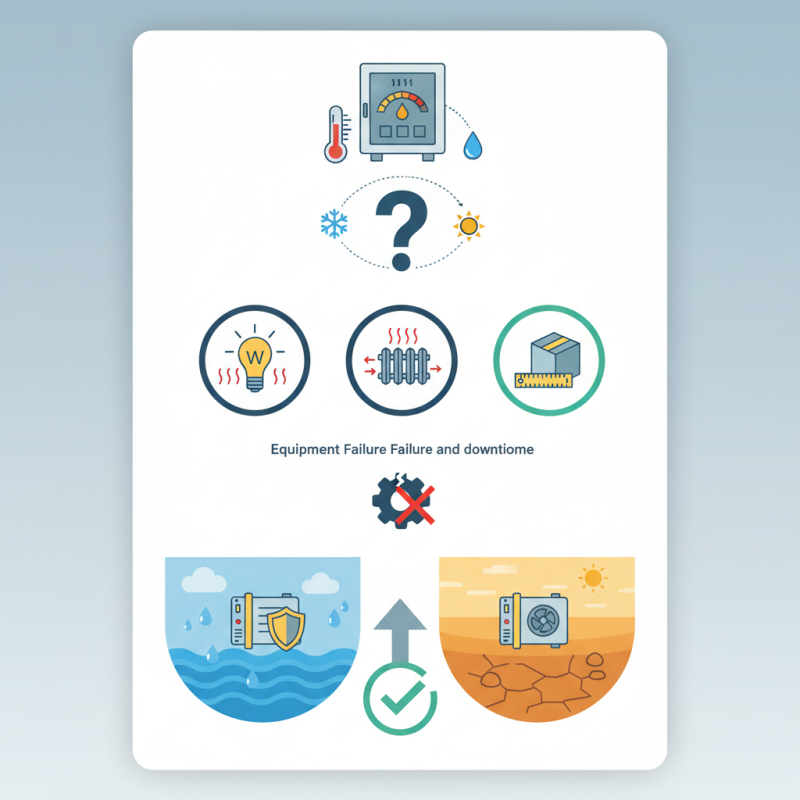
Choosing the right Enclosure Heater can significantly affect your comfort and productivity. According to recent industry reports, over 70% of businesses experience temperature-related issues in their electrical enclosures. This can lead to equipment failure, resulting in costly downtime.
An enclosure heater plays a vital role in preventing condensation and maintaining optimal temperatures. Factors like wattage, heating method, and size are crucial in making the right choice. However, many users overlook specific requirements of their environment, leading to inefficient heating solutions.
Understanding your space will help narrow down options. Remember, not all heaters are created equal. Some are better suited for humid conditions, while others excel in dry environments. Reflecting on your needs before selection can ensure long-term satisfaction and efficiency.
Understanding the Importance of Enclosure Heaters for Different Environments
Enclosure heaters play a crucial role in various environments. They ensure that sensitive equipment operates at optimal temperatures. For example, in a cold warehouse, these heaters can prevent machinery from freezing. Proper heating extends the lifespan of equipment, which is a significant concern for business owners.
When selecting an enclosure heater, consider the specific needs of your environment. Temperature fluctuations may affect the sensitivity of some devices. It's important to know the minimum and maximum temperatures your equipment can tolerate. In some cases, the heater might not be powerful enough, leading to failures. Always check the specifications and read user feedback.
Some might believe all heaters are similar, which is not true. The wrong choice can lead to inefficient heating and higher energy costs. Each situation is unique. Reflect on the long-term benefits and challenges of your selection. Consider ventilation needs as well; a heater that lacks proper airflow may cause overheating. Your choice should align with your specific requirements and operational goals.
Factors to Consider When Choosing an Enclosure Heater
When choosing an enclosure heater, several factors are crucial. One significant aspect is the heater's power rating. According to a 2022 industry report, an inadequately powered heater may lead to inefficient heating. A heater with too low power can struggle in cold environments. Consider a heater that matches your space's requirements for optimal performance.
Another vital factor is safety features. Look for models that include overheat protection and safety shutoff mechanisms. A study from the National Fire Protection Association highlighted that almost 40% of heating equipment fires stemmed from misuse. Choosing heaters with built-in safety protocols minimizes risks significantly.
Lastly, consider installation and maintenance needs. Some heaters require professional installation, while others allow for user-friendly setups. Ease of maintenance also plays a role. Regular upkeep can extend the heater's lifespan. A report from the Home Appliance Association suggests that regular maintenance can prevent up to 30% of heater failures. When selecting an enclosure heater, meticulously evaluating these factors ensures you make an informed choice that meets your specific needs.
How to Choose the Best Enclosure Heater for Your Needs?
| Factor | Description | Importance Level |
| Heating Capacity | The amount of heat a heater can produce, measured in watts or BTUs, suitable for the size of the enclosure. | High |
| Energy Efficiency | The heater's ability to provide heat while using minimal energy, often rated with an efficiency percentage. | Medium |
| Installation Type | Whether it's portable, wall-mounted, or built-in, influencing where and how the heater will be used. | Medium |
| Safety Features | Includes features like overheat protection, tip-over switches, and automatic shut-off for safe operation. | High |
| Durability | The heater's construction quality, materials used, and resistance to environmental factors such as humidity. | High |
| Cost | Initial purchase cost and ongoing operational costs, including electricity consumption. | Medium |
| Thermostat Control | Types of temperature control available, such as manual vs. digital or smart thermostats. | Medium |
| Portability | Ease of moving the heater from one location to another, important for temporary heating needs. | Low |
Types of Enclosure Heaters and Their Applications
When selecting an enclosure heater, understanding the types available is crucial. Each type serves specific applications based on the environment and needs. Radiant heaters, for example, can efficiently heat small spaces. They provide direct warmth and are often used in workshops and garages. Data shows that radiant heaters can heat an area in up to 10 minutes, making them ideal for immediate warmth.
Convection heaters, on the other hand, are designed for larger spaces. They work by circulating warm air throughout the area. These heaters are commonly used in enclosures where even heat distribution is necessary. Reports indicate that convection heaters can reduce energy costs by up to 30% in some applications. However, they may take longer to bring spaces up to a comfortable temperature.
**Tip:** Consider the exact size of your enclosure. An oversize heater can lead to inefficiencies.
For more sensitive environments, such as laboratories or server rooms, infrared heaters offer gentle heating without affecting humidity levels. As useful as these heaters can be, they may not instantly reach desired temperatures. Planning is essential. Understand the layout of your space before making a decision.
**Tip:** Regularly monitor heater performance. Inefficiencies might signal that a different type is needed.
Evaluating Efficiency and Energy Consumption of Heaters
When selecting an enclosure heater, evaluating efficiency and energy consumption is crucial. According to the U.S. Department of Energy, electric heaters convert almost all their energy into heat. However, this does not mean all heaters are equally efficient. Some models come with advanced features like programmable thermostats, which can significantly reduce energy use.
Energy consumption varies considerably among different heater types. For instance, radiant heaters warm up objects directly, making them suitable for smaller spaces. Conversely, convection heaters heat the air, which can be less efficient in drafty areas. A recent study by the Lawrence Berkeley National Laboratory revealed that standalone heaters can consume anywhere from 750 to 1,500 watts. This broad range suggests that users should carefully assess their heating needs.
Another factor to consider is insulation. Poorly insulated enclosures can lead to heat loss, diminishing the heater's efficiency. If you opt for heaters with high output without proper insulation, energy bills can skyrocket. Reflecting on the balance between heater capacity and enclosure conditions is essential for effective heating solutions. Maximizing efficiency often requires investing in both equipment and building improvements.
Energy Efficiency of Different Enclosure Heaters
This chart displays the energy efficiency ratings and average energy consumption (in watts) of various types of enclosure heaters. This information can help you choose the best heater based on efficiency and energy usage.
Installation and Maintenance Tips for Enclosure Heaters
When installing an enclosure heater, choosing the right location is crucial. Position your heater away from flammable materials. An ideal distance is at least three feet. This reduces fire risks and ensures better heat distribution.
For effective maintenance, regularly check the heating elements. Dust accumulation can hinder performance. Industry studies show that routine cleaning can enhance efficiency by up to 25%. Inspect cords for wear and tear. Replacing damaged cords promptly can prevent hazards.
Tip: Schedule maintenance every few months. This proactive approach can extend the lifespan of your heater significantly. Also, consider a thermostat. This can help maintain a consistent temperature and decrease energy costs. Don't overlook these important details. They're essential for safe and efficient use.