Why Choose a Led Lightbar for Your Vehicle Needs?
When it comes to enhancing vehicle visibility, a Led Lightbar is a game changer. According to a recent industry report by Allied Market Research, the global LED lighting market is expected to reach $63 billion by 2025. This growth reflects the increasing demand for energy-efficient lighting solutions. Led Lightbars are at the forefront of this trend, providing powerful illumination for various applications, from off-road adventures to emergency response.
These lightbars offer significant advantages, including durability and energy efficiency. With a lifespan exceeding 50,000 hours, they far outlast traditional lighting options. Furthermore, their low power consumption makes them ideal for extended use without draining your vehicle’s battery. However, not all Led Lightbars are created equal. It's crucial to choose a reputable brand that meets safety standards and customer needs.
While Led Lightbars enhance nighttime visibility, they can also present challenges. Users must consider their mounting options and compliance with local regulations. The glare from these lights can distract other drivers if improperly installed. Therefore, effective installation and usage are essential to maximizing benefits while minimizing risks. Choosing the right Led Lightbar ensures that your vehicle meets both functional and aesthetic standards.
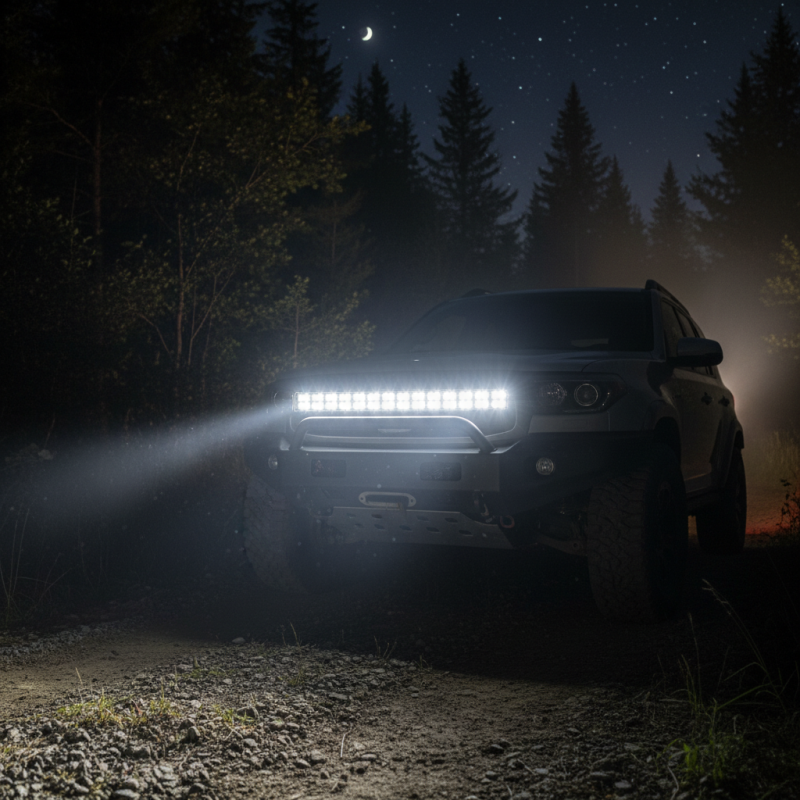
Benefits of LED Lightbars for Vehicles
LED lightbars have become increasingly popular for vehicle lighting needs. One key benefit of these advanced lights is their energy efficiency. According to a report from the U.S. Department of Energy, LED lights use at least 75% less energy than traditional incandescent bulbs. This significant reduction in energy usage translates to longer battery life for vehicles, making them a smart choice for both everyday drivers and off-road enthusiasts.
Durability is another compelling advantage of LED lightbars. Research shows that LEDs are resistant to shock, vibrations, and extreme temperatures. This durability means less frequent replacements. This feature is crucial for vehicles exposed to harsh conditions. Additionally, LED lightbars offer a brighter, clearer light output. They emit a daylight-like quality, which enhances visibility, especially in low-light situations. Enhanced visibility is essential for safety, particularly when navigating through dark or challenging terrains.
Lastly, many drivers appreciate the versatility of LED lightbars. They are available in various sizes and light patterns, suitable for multiple vehicle types. The flexibility allows owners to customize lighting setups based on their specific needs, whether for work, recreation, or everyday use. However, it’s important to consider installation challenges. Improper installation can lead to issues with light alignment and effectiveness. Reflecting on installation processes can improve overall user experience and functionality.
Benefits of LED Lightbars for Vehicles
Types of LED Lightbars Available in the Market
When considering LED lightbars for vehicles, various types are available, catering to specific needs. For instance, floodlight LED lightbars provide a broad beam of light and excel in illuminating wide areas. These are perfect for off-roading adventures where visibility is crucial. Meanwhile, spot LED lightbars focus on a narrower beam, making them ideal for long-range visibility. They prove beneficial for highway driving or spotting distant obstacles.
Another option is the combination lightbar, which merges both flood and spot functionalities. This versatility makes them popular among vehicle owners. They can maximize visibility in diverse conditions. Additionally, curved LED lightbars are gaining traction for their aesthetic appeal and improved light distribution. They adapt well to the contours of the vehicle, enhancing both style and functionality.
While many appreciate the effectiveness of LED lightbars, it's essential to consider installation complexities. Wiring and bracket fittings can be challenging for some users. This aspect requires careful planning and expertise. Proper positioning and alignment matter greatly for optimal performance. Ultimately, the selection process should focus not just on brightness but also on the intended use of the lightbar. Each type has strengths tailored to specific driving environments.
Factors to Consider When Choosing a Lightbar
When selecting a LED lightbar for your vehicle, several factors warrant attention. Brightness is critical. A lightbar with higher lumen output ensures better visibility in various conditions. Consider your typical driving environment. Urban areas may require less intense lights compared to rural settings, which often involve poor visibility.
Mounting options also play a significant role. It determines how securely the lightbar fits onto your vehicle. A poorly mounted lightbar can vibrate while driving, reducing its effectiveness. Examine the durability of the material as well. Aluminum or polycarbonate builds withstand tough conditions but can vary significantly in quality.
Check the power consumption too. Efficient lightbars offer maximum brightness with minimal energy use. Yet, some high-powered options may lead to battery drainage if not managed wisely. It’s essential to match your vehicle's electrical system with the lightbar’s requirements. Always research compatibility before purchase. Be cautious of overly cheap options. Low-quality products can lead to safety hazards.
Installation and Maintenance Tips for LED Lightbars
Installing an LED lightbar on your vehicle can enhance visibility significantly. Before starting, ensure you have the right tools. Basic tools often include a screwdriver, a wrench, and electrical tape. Choose a well-ventilated workspace to avoid clutter. Mounting the lightbar requires precision; any misalignment can lead to road glare or ineffective lighting.
Wiring your LED lightbar is crucial. Connect wires carefully to prevent short circuits. Use heat-shrink tubing to protect connections from weather damage. Regularly check the wiring for signs of wear and tear. Inconsistent performance could indicate an issues.
Maintenance is key for longevity. Clean the lightbar surface regularly to remove dirt and grime. Check for loose screws or corrosion to ensure a secure fit. Seasonal checks provide an opportunity to assess its performance. These steps can help you avoid malfunction during critical times. Ignoring simple maintenance tasks could lead to future problems. Regular upkeep reflects responsible vehicle ownership.
Why Choose a Led Lightbar for Your Vehicle Needs? - Installation and Maintenance Tips for LED Lightbars
| Feature | Description | Benefits | Maintenance Tips |
| Brightness | LED lightbars offer high lumen output for better visibility. | Improved night driving safety and enhanced visibility. | Regularly check for burnt-out LEDs. |
| Durability | Built to withstand harsh weather conditions and vibrations. | Longer lifespan compared to traditional lighting solutions. | Keep the lightbar clean to prevent corrosion. |
| Energy Efficiency | Consumes less power while providing greater light output. | Lower energy costs and reduced battery drain. | Ensure proper installation to maximize efficiency. |
| Versatility | Can be used for off-roading, work vehicles, and emergency lights. | Applicable in various scenarios, enhancing utility. | Check the mounting brackets and adjust as necessary. |
| Installation | Simple installation process with basic tools. | Easy DIY installation saves time and money. | Follow the manufacturer's instructions carefully. |
Comparative Analysis: LED Lightbars vs. Traditional Lighting Systems
When comparing LED lightbars to traditional lighting systems, several key factors emerge. LED lightbars typically provide superior brightness. Reports show that they can emit up to 121 lumens per watt, far surpassing the average 15 lumens per watt of halogen bulbs. This increased efficiency translates directly into improved visibility, especially in off-road conditions or during nighttime driving.
Moreover, the lifespan of LED lightbars is noteworthy. Studies indicate that while traditional bulbs may last around 1,000 hours, LED lightbars can last between 30,000 to 50,000 hours. This longevity not only reduces replacement costs but also minimizes waste. However, initial costs for LED systems may be higher. This investment might deter some vehicle owners, despite potential long-term savings.
Heat management is another critical difference. Traditional lights generate significant heat, which can affect performance. Conversely, LED lightbars produce minimal heat, improving their durability. Yet, this does not mean they operate without flaws. Some users report issues with light dispersion and color consistency. Exploring these potential shortcomings is essential for informed decision-making.