
- Home
- News
Best Centrifugal Pump Buying Guide for Global Buyers?
When exploring the world of fluid handling, understanding the Centrifugal Pump is crucial. This type of pump plays a vital role in various industries, from agriculture to manufacturing. It moves fluids by converting rotational energy into hydraulic energy. Potential buyers often face challenges in selecting the right product.
The market is flooded with numerous options. Each model has unique features, specifications, and price ranges. Buyers must assess their specific needs carefully. Inexperienced choices can lead to inefficiencies or system failures. It is essential to consider factors like flow rate, head requirements, and materials of construction.
This guide serves as a valuable tool for global buyers navigating the complexities of Centrifugal Pumps. By focusing on key aspects like performance, reliability, and durability, it helps make informed decisions. Identifying the ideal pump ensures optimal operations and longevity in any application. It encourages reflection on the importance of quality and precision in fluid management.
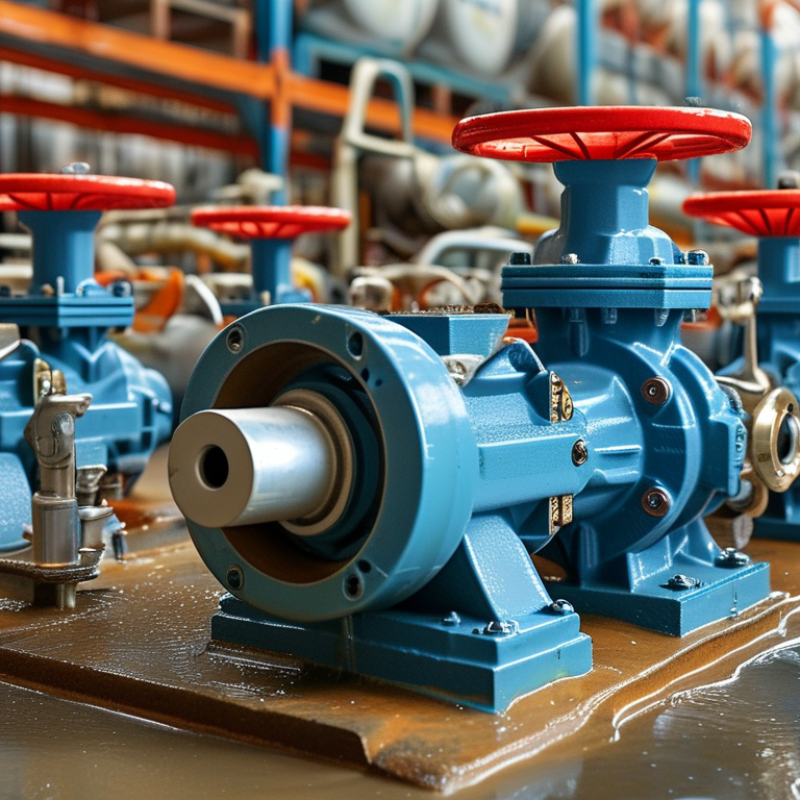
Understanding the Basics of Centrifugal Pumps: Types and Operations
Centrifugal pumps are essential in various industries, handling fluids efficiently. They operate on the principle of centrifugal force, converting rotational energy into fluid movement. This mechanism is simple yet effective, making it a preferred choice for many applications.
There are several types of centrifugal pumps, including single-stage and multi-stage models. Single-stage pumps are suited for applications requiring low pressure and flow rates. In contrast, multi-stage pumps generate higher pressures, ideal for transporting liquids over long distances. Understanding these types helps buyers make informed decisions.
Installation and maintenance can be tricky. Proper alignment is crucial to avoid premature wear. Regular checks on seals and bearings are necessary for optimal performance. Buyers should consider factors such as fluid compatibility and operating environment when choosing a pump. These elements can significantly impact longevity and efficiency.
Key Performance Metrics: How to Evaluate Centrifugal Pump Efficiency
When evaluating centrifugal pump efficiency, several key performance metrics come into play. One important factor is the pump's flow rate, typically measured in gallons per minute (GPM) or liters per second (L/s). Higher flow rates mean better productivity, but they should meet system requirements. Another essential metric is head pressure, which indicates the pump's capacity to move fluids against gravity.
Efficiency is also critical. It can be gauged by comparing the input power to the hydraulic energy output. A more efficient pump will convert a higher percentage of energy into usable work. Look for details such as the pump's efficiency curve, which illustrates how performance changes across different operating conditions.
Lastly, consider the Net Positive Suction Head Required (NPSHr). This metric helps ensure reliable pump operation. A lack of understanding can lead to cavitation and potential damage. If you fail to analyze these metrics, you might end up with poor performance and frequent repairs. Clear attention to these details can lead to better decision-making in choosing your centrifugal pump.
Material Selection: Choosing the Right Components for Different Applications
Choosing the right materials for centrifugal pumps is crucial for optimal performance. Each application requires careful consideration of component materials. For instance, chemical compatibility plays a significant role. According to a recent technical report from the Hydraulic Institute, nearly 30% of centrifugal pump failures originate from improper material selection.
Metal components, such as stainless steel, are often preferred for their strength and corrosion resistance. However, certain applications might demand non-metallic materials, like reinforced plastics. These materials can withstand aggressive fluids and offer lighter options for specific setups. A comprehensive study indicated that using the wrong material could reduce pump lifespan by up to 40%.
Environmental factors also impact material decisions. High temperatures and pressures require more robust options. Studies reveal that pumps operating in harsh environments need materials that maintain structural integrity and performance. Regularly reviewing and updating material specifications based on application requirements is essential. Neglecting this can lead to inefficient operations and increased maintenance costs.
Best Centrifugal Pump Buying Guide for Global Buyers
| Material Type | Application | Temperature Range (°C) | Corrosion Resistance | Cost ($) |
|---|---|---|---|---|
| Stainless Steel | Water Supply | -20 to 120 | Good | 300 |
| Plastic (PVC) | Chemical Processing | -10 to 60 | Fair | 150 |
| Bronze | Marine Applications | -5 to 80 | Very Good | 400 |
| Cast Iron | Industrial Water | -10 to 100 | Good | 250 |
| Polypropylene | Water Treatment | 0 to 80 | Excellent | 200 |
Market Trends: Global Demand and Growth Forecast for Centrifugal Pumps
Centrifugal pumps play a critical role in various industries, from agriculture to manufacturing. As global demand grows, understanding market trends is vital for buyers. Recent data suggests increasing demand in developing regions, particularly in Asia-Pacific and Latin America. These areas experience rapid industrial growth and investments in infrastructure.
However, challenges exist. Economic fluctuations can impact growth forecasts. Additionally, manufacturers must adapt to strict environmental regulations. Buyers should assess the sustainability practices of pump suppliers. This ensures they align with current market expectations for eco-friendly equipment.
Technological advancements also shape the market landscape. Smart pumping solutions are gaining traction, improving efficiency and reducing energy consumption. Buyers must stay informed about these innovations. Leveraging expert advice can be beneficial in navigating complex choices. Balancing cost, performance, and sustainability remains essential for effective purchasing decisions.
Top Manufacturers: Leading Brands and Their Innovations in Pump Technology
Centrifugal pumps are essential in various industries, from water management to chemical processing. Understanding the leading brands is crucial for global buyers seeking reliable and innovative technology. According to industry reports, the centrifugal pump market is projected to reach $40 billion by 2025, driven by advancements in efficiency and smart technology.
Top manufacturers in this space have embraced innovation, integrating IoT and automation into their products. Modern pumps now offer data analytics capabilities, enhancing operational efficiency and reducing downtime. However, there is a concern about environmental impact. Manufacturers are exploring materials and designs that minimize waste.
When selecting a centrifugal pump, consider energy efficiency ratings. Higher ratings lead to lower operational costs and less environmental impact. Ensure your chosen pump meets specific application requirements. It is also wise to consult with experts to match the right technology with your needs. Remember, the wrong choice can lead to performance issues and increased maintenance costs. Always research thoroughly and weigh options carefully.