Best Water Pump Casing Types for Optimal Performance?
When considering water pump systems, the water pump casing plays a vital role in performance. It houses essential components, protecting them from external elements. The casing impacts efficiency and durability. Various materials are utilized, each with unique advantages and drawbacks.
Choosing the right water pump casing type can be challenging. Some may prioritize cost over quality, which can lead to inefficiency. Additionally, understanding specific needs is crucial. Not all applications require the same casing. For instance, a heavy-duty pump may need a robust casing to withstand harsh conditions. Meanwhile, lightweight options might suit residential settings.
Ultimately, selecting the optimal water pump casing is a reflection of trade-offs. Users must weigh factors like material, performance, and cost. This decision can greatly influence system longevity and functionality. Exploring different types helps in making an informed choice.
Types of Water Pump Casings and Their Features
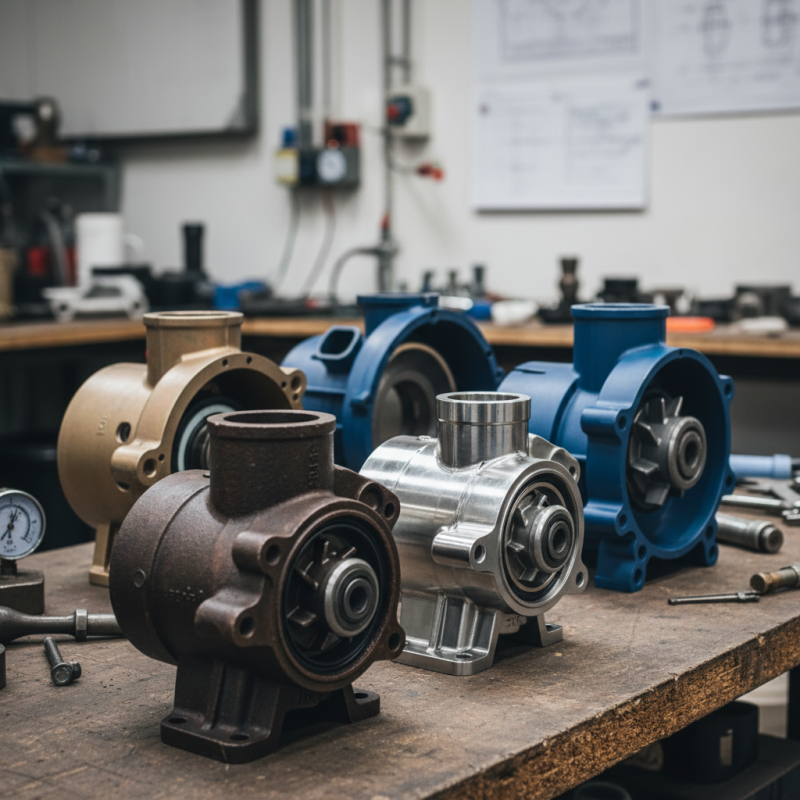
When choosing a water pump casing, various types are available, each designed for specific applications. Cast iron casings are popular for their durability and corrosion resistance. These casings can withstand high pressure and temperatures, making them suitable for industrial use. However, they tend to be heavy, which can complicate installation.
Another option is plastic casings. They are lightweight and resistant to chemicals, ideal for agricultural applications. Yet, plastic may not handle extreme conditions as well as metal. Stainless steel casings offer a balance between strength and resistance. They are suitable for both domestic and commercial use, but, they can be more expensive compared to other materials.
Choosing the right casing requires careful consideration. Think about the specific environment and needs. Mistakes in selection can lead to inefficiencies. The wrong choice may cause leaks or failures. It's essential to assess all options and features before making a decision. This careful evaluation helps avoid costly issues in the long run.
Factors Affecting Water Pump Casing Performance
When considering water pump casing performance, several factors come into play. Material choice is crucial. Common materials include cast iron, stainless steel, and plastics. Each has unique properties. For example, cast iron provides strength but may corrode over time. Stainless steel offers better durability but at a higher cost. Plastics resist corrosion but might not withstand high pressures.
Another significant influence is the design of the casing. A well-designed casing minimizes turbulence and maximizes efficiency. Research shows that optimal casing shapes can improve pump efficiency by 10% to 15%. However, not all designs are equally effective. Some may create unintended vortices, reducing overall performance.
Temperature and fluid type also affect performance. Pumps handling viscous fluids require specific casing designs to maintain flow rates. Additionally, operating under high temperatures can alter material characteristics. A report by the American Society of Mechanical Engineers found that temperature variations can decrease pump efficiency by up to 20%. Understanding these factors is essential for selecting the right casing type for specific applications.
Comparative Analysis of Common Water Pump Casing Materials
Water pump casings are critical to performance. They come in various materials, each affecting efficiency. Common options include cast iron, stainless steel, and thermoplastic. According to a report by the Hydraulic Institute, cast iron is favored for its strength and durability, with a low coefficient of thermal expansion. This can enhance longevity, but it might not always resist corrosion effectively.
Stainless steel, on the other hand, excels in corrosive environments. Its resistance to rust makes it a top choice for applications in water treatment facilities. However, the cost of stainless steel can be a drawback. The same report notes that while stainless options may have higher upfront costs, the long-term savings in maintenance are significant.
Thermoplastic casings are lightweight and resistant to corrosion. They can be ideal for specific applications, especially in smaller pump systems. Yet, their lower strength compared to metal options raises concerns about structural integrity under high pressure. Each material ensures a trade-off between cost, durability, and suitability. Ultimately, choosing the right casing demands careful consideration of the specific application and environmental factors.
Best Water Pump Casing Materials for Optimal Performance
Best Practices for Selecting Water Pump Casings for Specific Applications
When selecting water pump casings, consider the application. Different environments demand specific materials. For instance, corrosive substances may require stainless steel. In contrast, residential applications might favor plastic for cost-effectiveness. Assess the fluid's properties carefully. Is it clean water or abrasive?
Pay attention to the casing's design. A compact design works well in tight spaces. However, larger casings may improve cooling and performance. Ensure the design aligns with your installation area.
Tips: Always check compatibility with your pump. Test various materials to find an optimal choice. Monitor performance regularly to prevent failures. Correct casing choices can minimize maintenance needs. Small adjustments might lead to significant efficiency gains.
Best Water Pump Casing Types for Optimal Performance
| Casing Type | Material | Best Applications | Temperature Range (°C) | Corrosion Resistance |
| Cast Iron | Cast Iron | General Pumping, Industrial | -10 to 150 | Moderate |
| Stainless Steel | Stainless Steel | Food Processing, Marine | -20 to 200 | High |
| PVC | Polyvinyl Chloride | Chemical Transport, Irrigation | 0 to 60 | Moderate |
| Aluminum | Aluminum Alloy | Portable Pumps, Residential | -30 to 120 | Low |
| Bronze | Bronze | Water Supply, Irrigation | -10 to 100 | High |
Maintenance Tips for Enhancing Water Pump Casing Longevity and Efficiency
Water pump casings play a vital role in ensuring efficient performance. To extend their lifespan, regular maintenance is essential. Examine the casing for any signs of wear or damage. Cracks or corrosion can lead to leaks and reduce efficiency. If you notice any deterioration, replacement may be necessary.
Cleaning the casing regularly helps maintain its functionality. Remove debris and sediment buildup. A clogged casing can decrease flow rates. Inspect the seals and gaskets for proper alignment. Misaligned components can create friction, leading to wear and tear. Tightening screws can sometimes address this issue, but over-tightening can cause damage.
Consider the environment where the pump operates. Extreme weather can affect material integrity. If the pump is in a harsh setting, use protective coatings. These coatings can prevent corrosion and enhance durability. Reflect on these aspects when choosing and maintaining your water pump casing. Each small effort contributes to optimal performance.