Best Tips for Choosing a Post Hole Drill for Your Needs?
When it comes to selecting the right post hole drill, expertise is essential. John Smith, a renowned landscape contractor, states, “Choosing the right drill can make or break your project.” His insight reflects the importance of understanding your specific needs.
Post hole drills vary greatly in design and function. Whether you are a homeowner or a professional, knowing what suits your project is crucial. A high-quality drill can save hours of labor and frustration. However, many overlook factors like soil type and depth requirements. These elements can significantly influence the drilling process.
Investing time into research is key. With so many options available, it’s easy to feel overwhelmed. Not all drills are created equal, and you might find yourself facing unexpected challenges. Reflecting on user experiences can also guide you in making the right choice. A thoughtful and informed approach will lead to successful outcomes in your drilling endeavors.
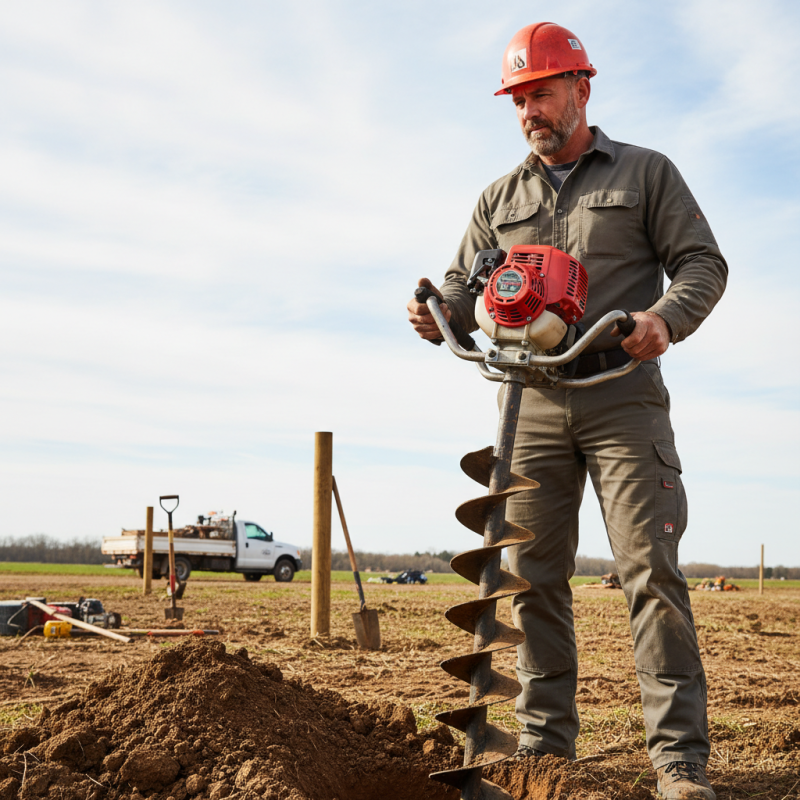
Understanding Different Types of Post Hole Drills Available
When selecting a post hole drill, understanding the different types available is essential. Two main categories exist: manual and powered drills. Manual drills require human effort. They work well for small projects but can be tiring. These tools are ideal for light landscaping or home gardening. Many users find them easy to handle.
On the other hand, powered drills come in various types, such as electric or gas-powered. Electric drills are quieter and cleaner but may lack power in tough soil. Gas-powered drills are robust and effective for larger jobs. However, they require maintenance and produce exhaust fumes. Choosing the right type depends on your specific needs and the soil condition in your area.
Remember, your budget and frequency of use also matter. Some may prefer a cheaper manual option for occasional use. Others might invest in a high-end powered drill for regular projects. It’s advisable to weigh the pros and cons of each type. Gather feedback from others before making a decision. This way, you can ensure you select a drill that aligns with your requirements.
Comparison of Different Types of Post Hole Drills
Key Factors to Consider When Selecting a Post Hole Drill
Choosing the right post hole drill requires careful consideration of several key factors. One primary factor is the drill's power source. Electric drills are generally quieter and suitable for smaller projects. In contrast, gas-powered drills offer more power for larger, tougher jobs. According to a report by the National Association of Home Builders, over 68% of contractors cite energy efficiency as a significant factor in tool selection. This data underscores the importance of choosing an appropriate power source.
The size and type of the drill bits you may need are also crucial. Bit sizes can vary widely, and having the correct size ensures efficient digging. A survey by the Equipment Leasing and Rental Association found that approximately 37% of users noted the importance of versatility in bit sizes to accommodate different post sizes. Additionally, consider the machine's weight. A heavier drill can be less maneuverable, especially in rough terrain. It’s worth pondering whether a heavier drill truly meets your needs, or if a lighter alternative could be more practical for your specific projects. Balancing power and convenience is essential for achieving optimal performance.
Comparing Manual vs. Powered Post Hole Drills
When selecting a post hole drill, understanding the differences between manual and powered options is crucial. Manual post hole drills are lightweight and easy to transport. They require physical effort, making them a good choice for small projects or tight spaces. However, their effectiveness can diminish in harder soil types. Users might find this tiring over time, especially for larger jobs.
On the other hand, powered post hole drills offer efficiency and speed. They can handle tough terrains with ease, reducing labor intensity. However, they tend to be heavier and require fuel or batteries. Maintenance becomes a consideration as well. Users must understand how to operate them safely and properly to avoid issues. Think about the project size and soil type. Both options have their merits, but they also have limitations that require careful consideration. Reflecting on these aspects can ensure you choose a drill that meets your specific needs effectively.
Assessing the Size and Depth Requirements for Your Project
When selecting a post hole drill, it's crucial to assess the size and depth requirements for your project. According to industry reports, most residential projects typically need holes between 6 to 12 inches in diameter and depths up to 48 inches. Larger projects, such as fence installations or planting trees, may require deeper or wider holes. Always consider the soil type as well; softer soils are easier to penetrate than rocky or clay-heavy grounds.
Tip: Measure your intended hole size before purchasing. This ensures your drill can handle the project scope. Keep in mind the nature of the installation—will you need multiple holes or just one? Understanding these factors will help you in choosing the right drill.
Also, remember to evaluate the power of the drill. Reports reveal that electric models can struggle with hard soil, while gas-powered drills perform better. However, the trade-off is often weight and portability. Think about your physical capabilities and ease of use. A lightweight drill may lead to quicker and more efficient work.
Tip: Test out different models if possible. Getting hands-on experience can clarify what works best for your needs.
Budgeting and Cost Considerations for Post Hole Drills
When considering a post hole drill, budgeting is crucial. A well-planned budget can lead to better choices. The average cost ranges from $100 to $500, depending on features and durability. For occasional users, a lower-priced model often suffices. Frequent users might invest more for reliability. Understanding the distinction between these needs is pivotal.
It's essential to think about ongoing costs as well. Replacement parts, such as bits, can add to expenses. Reports indicate that about 15% of users replace parts each year due to wear. This factor can alter your initial budget significantly. Maintenance is another area to consider. Neglecting it can lead to more expensive repairs.
Research shows that nearly 60% of users undervalue the importance of initial investment versus long-term savings. A cheap drill may fail quickly, leading to more expenses down the line. In contrast, a more costly drill might provide better longevity. It's important to weigh these factors carefully. Each user's needs and preferences will vary widely, which complicates the decision. Taking the time to understand your specific requirements can lead to a more satisfying purchase.