2026 Best Miniature Circuit Breaker Reviews and Buying Guide?
In the world of electrical safety, selecting the right Miniature Circuit Breaker (MCB) is crucial. Renowned expert, Dr. Jason Lee, emphasizes, "A reliable MCB can prevent costly damages and enhance safety." This highlights the importance of investing time in choosing the best options available.
Miniature Circuit Breakers serve a vital role in protecting electrical circuits from overloads and short circuits. However, not all MCBs are created equal. Some customers find themselves overwhelmed by the variety of brands and specifications. Choosing poorly can lead to major headaches down the line, such as frequent tripping or even electrical fires.
As you explore the 2026 reviews and buying guide, remember that a well-informed decision can bolster your home's safety. Be mindful of the brands you consider. Not every option on the market meets the necessary standards. Reflect on your specific needs, and don't rush into a choice. It's worth the effort to find the right Miniature Circuit Breaker for peace of mind.
Understanding Miniature Circuit Breakers: An Overview
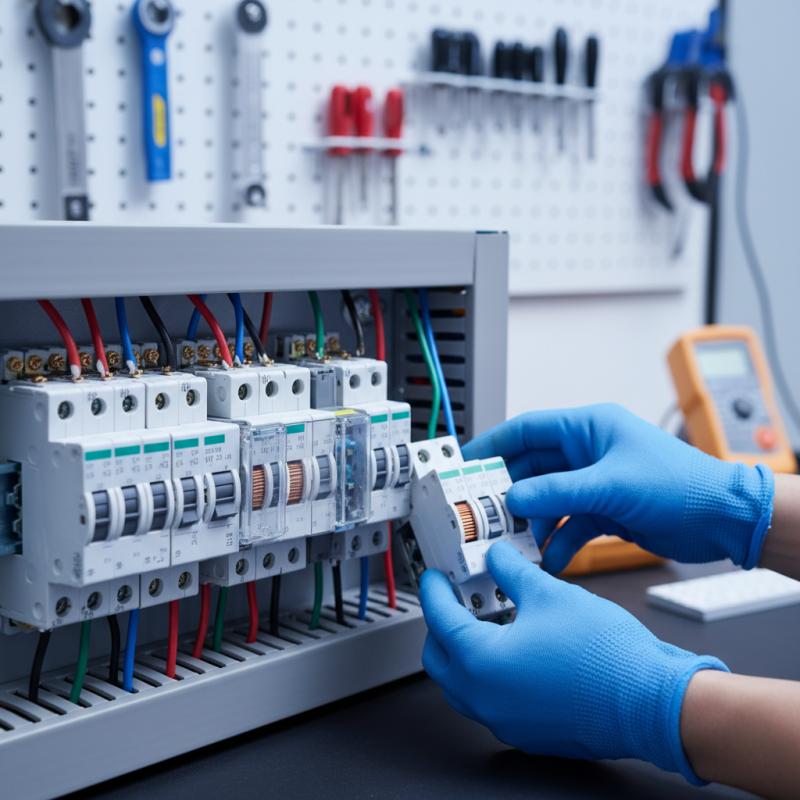
Miniature circuit breakers (MCBs) are crucial for protecting electrical circuits. These devices automatically disconnect power during overloads or short circuits. They are compact and easily installed in consumer units. MCBs ensure safety by preventing potential fire hazards. Without them, the risk increases significantly.
Understanding MCB specifications can be overwhelming. There are various types, including Type B, C, and D. Each type responds differently to overloads. Type B is sensitive, ideal for residential use. Type C suits commercial settings. Type D is made for industrial applications. Choosing the right type is critical for performance.
Many users overlook the importance of correct ratings. Some might install an MCB with a higher rating than necessary. This oversight can lead to inadequate protection. It’s vital to assess the intended load and select accordingly. Additionally, regular maintenance is often neglected. Failing to check MCB functionality can present risks. Awareness of these details makes a difference in electrical safety.
Key Features to Consider When Choosing a Miniature Circuit Breaker
When selecting a miniature circuit breaker, key features play a crucial role. It’s essential to consider the current rating. This tells you how much current the breaker can handle. A breaker with a higher rating may not trip during overload. Choose one that suits your circuit needs without being excessive.
Another important aspect is the breaking capacity. This indicates how much fault current the breaker can interrupt safely. A higher breaking capacity is preferable, especially in industrial settings. However, a balance is needed; overload protection should not be sacrificed for capacity.
Additionally, ensure the trip characteristics align with your application. There are several types, including B, C, and D curves. Each type responds differently to surge currents. A mismatch can lead to nuisance tripping. Testing the commonly used setups is always wise. Ultimately, paying attention to these features can make a notable difference in safety and performance.
Top Brands and Models of Miniature Circuit Breakers for 2026
When it comes to selecting miniature circuit breakers for 2026, understanding your options is crucial. These devices play a vital role in protecting electrical circuits from overloads and short circuits. Their compact nature makes them suitable for various applications, from residential to industrial settings. You may find different models varying in features, so it's essential to evaluate their specifications closely.
In 2026, several key brands are leading the market with innovative models. These breakers are designed with user-friendly features. Some incorporate advanced trip units for enhanced reliability. Certain types also provide remote monitoring capabilities, giving users real-time information. While many models impress with their strengths, the market still has gaps that need exploration. Not every model is perfect. Some may lack adequate documentation or troubleshooting resources. This aspect can lead to confusion, especially for inexperienced users.
Choosing the right miniature circuit breaker requires careful consideration. Look for options that balance quality and price. Reviews often highlight common issues such as installation difficulties or compatibility concerns. Be ready to reflect on your specific electrical needs. This process involves trial and error, but finding the right device can significantly enhance safety and performance in your electrical system.
Installation and Maintenance Tips for Miniature Circuit Breakers
When it comes to miniature circuit breakers (MCBs), proper installation and maintenance are crucial. MCBs help prevent electrical overloads and short circuits. According to industry reports, improper installation can lead to failure rates as high as 30% in the first year. Therefore, understanding the installation process is vital for safety and durability.
One important tip is to ensure that the MCB is compatible with the electrical system. Check its rated current and tripping characteristics. Using an MCB that does not match the circuit requirements can result in nuisance tripping or failure to trip, which can be dangerous. Ensure you follow the manufacturer’s installation guidelines closely.
Regular maintenance also keeps MCBs functional. Dust and debris can affect performance. Inspect terminals for tightness and clean any corrosion or buildup. Another tip is to test the MCB regularly. Simulating an overload can help ensure the trip mechanism works correctly. Many users forget this testing step, which is regrettable. By doing so, you can identify potential issues before they escalate.
In summary, MCB installation and maintenance demand attention to detail. Regular checks and compatibility considerations significantly enhance the longevity of these essential devices. Keep these recommendations in mind, as they can make all the difference in your electrical safety.
Common Issues and Troubleshooting Miniature Circuit Breakers
Miniature circuit breakers (MCBs) offer vital protection for electrical circuits. However, they can encounter issues, leading to unexpected outages or equipment damage. Overloading is a common issue. When too many devices draw power simultaneously, MCBs may trip. According to industry reports, around 30% of electrical faults result from overloading in residential settings. Regularly assessing the load on your circuits can prevent this.
Another issue is nuisance tripping, which occurs without an apparent reason. This can be frustrating, especially during critical times. Research indicates that up to 25% of MCB trips are classified as nuisance trips. Factors like sudden voltage spikes, faulty wiring, or even nearby heavy machinery can contribute. Identifying the root cause is essential for maintaining functionality and safety.
Furthermore, aging equipment may lead to performance dips. MCBs can wear down over time, becoming less reliable. A study showed that up to 40% of electrical failures stem from outdated components. Routine inspections can help catch wear before it leads to significant problems. Pay attention to any unusual sounds or patterns during operation. Being proactive can make a difference in the longevity of your MCBs.
2026 Best Miniature Circuit Breaker Reviews and Buying Guide
| Model | Rated Current (A) | Breaking Capacity (kA) | Voltage Rating (V) | Type | Common Issues | Troubleshooting Tips |
| MCB-20A | 20 | 6 | 230 | Type B | Frequent tripping | Check for overloads and short circuits |
| MCB-10A | 10 | 4.5 | 230 | Type C | Doesn't reset | Inspect the wiring and connections |
| MCB-32A | 32 | 10 | 400 | Type D | Heat-related tripping | Ensure proper ventilation and load distribution |
| MCB-40A | 40 | 12 | 400 | Type C | Intermittent failures | Check for damaged components |