Best IoT Water Level Sensor for Efficient Monitoring Solutions?
In today's rapidly evolving world, monitoring water levels is crucial for various applications. An Iot Water Level Sensor plays a pivotal role in this endeavor. These sensors connect seamlessly to the Internet, enabling real-time data transmission. With advanced technology, they offer precision in water monitoring, enhancing efficiency across industries.
However, selecting the best IoT Water Level Sensor can be challenging. Various factors come into play, including accuracy, durability, and ease of integration. The market is flooded with options, and not all sensors perform equally. It's essential to weigh your specific needs against the available solutions.
Reliability is the cornerstone of effective monitoring. A sensor that fails to provide accurate readings can lead to significant issues. It’s crucial to reflect on the sensor's specifications and real-world performance before making a decision. An informed choice can lead to better water management and resource conservation.
Understanding IoT Water Level Sensors: Key Features and Technologies
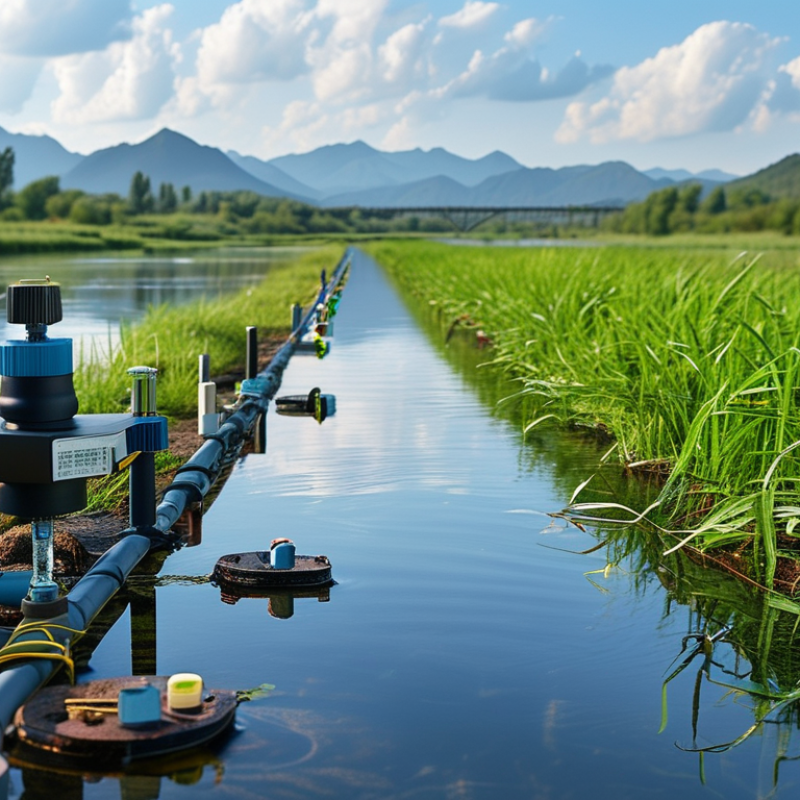
IoT water level sensors play a crucial role in modern monitoring solutions. These devices utilize advanced technologies to measure the water level accurately. Many sensors incorporate ultrasonic or pressure sensing methods. This variation allows for flexibility based on specific application requirements.
When selecting a sensor, consider features such as wireless connectivity. Sensors that support Wi-Fi or cellular networks offer significant advantages. They provide real-time data access, even from remote locations. Additionally, energy efficiency is critical. Low-power sensors can operate longer, reducing maintenance costs.
Tip: Always evaluate the environmental conditions of installation. Factors like temperature and humidity can affect sensor performance.
Another key feature is data accuracy. Reliable sensors ensure precise readings, reducing the risk of overflows or droughts. Additionally, consider devices with integrated alerts. These can notify you of abnormal water levels, enhancing response time.
Tip: Experiment with different sensor placements. Testing various locations can lead to better readings. Adjustments may reveal hidden opportunities for optimization.
Types of Water Level Sensors: Comparative Analysis for IoT Solutions
When considering water level sensors for IoT applications, understanding the various types is crucial. Ultrasonic sensors are popular. They measure distance by sending sound waves. This method is non-contact and efficient. A study indicates that ultrasonic sensors can reach an accuracy of within 0.25% in optimal conditions. However, they may struggle in environments with heavy turbulence or foam.
Capacitive sensors provide another option. They function based on changes in capacitance due to water level fluctuations. Their performance can be influenced by temperature and water quality. They typically offer a lower cost and can be more compact. However, they might require regular calibration. A report highlights that 30% of users noted challenges in maintaining accuracy over time.
Radar sensors are gaining traction in IoT solutions. They measure the time it takes for radar waves to bounce back from the water surface. Their effectiveness remains high, even in challenging conditions like vapor or dust. Yet, radar sensors tend to be more expensive. Studies suggest that while they offer reliable data, the initial investment can hinder adoption in smaller projects. Understanding these nuances can guide effective monitoring solutions.
Factors to Consider When Choosing an IoT Water Level Sensor
Choosing the right IoT water level sensor requires thoughtful consideration of several key factors. It’s essential to assess the sensor's accuracy and response time. A high-quality sensor provides precise readings that help in real-time monitoring. Delays can lead to critical issues like overflow or dry tanks.
Another critical aspect is the environmental compatibility of the sensor. Different sensors operate effectively in various conditions—whether that’s extreme temperatures or variable humidity. Understanding how the sensor performs in your specific environment ensures reliable data collection. Installation complexity also matters. Some sensors may offer easy setup but could lack advanced features. Striking a balance between usability and functionality is necessary.
Communication protocols are also vital. Different sensors may use various methods to transmit data, such as Wi-Fi, Bluetooth, or LoRa. Assessing what suits your needs can save time and energy in the long run. Ultimately, ongoing maintenance and calibration will determine the effectiveness of your IoT water level sensor. Regular checks are often overlooked but necessary for sustained accuracy. Take these factors into account to make a well-informed decision.
Top IoT Water Level Sensors Currently Available in the Market
When considering the best IoT water level sensors, it's essential to know the features that lead to efficient monitoring solutions. These sensors use advanced technology to provide real-time data. They can be deployed in various settings, from industrial sites to agricultural fields.
Many current models offer easy integration with existing software. This feature allows for seamless data analysis. Some sensors even support remote access, enabling users to track water levels from anywhere. Users appreciate sensors equipped with alerts for unexpected water level changes. These notifications can help prevent potential flooding or resource loss.
However, challenges exist. The calibration process may be complicated for some users. Many beginners struggle with installation and configuration. It often requires technical expertise. Moreover, the sensor's longevity can vary based on environmental conditions. Regular maintenance is crucial to ensure consistent functionality. Despite these hurdles, IoT water level sensors remain vital tools for efficient water management.
Applications of IoT Water Level Sensors in Various Industries
IoT water level sensors are increasingly used across various industries. They provide real-time monitoring of water levels in tanks, reservoirs, and rivers. In agriculture, farmers utilize these sensors to optimize irrigation systems. This ensures crops receive the right amount of water, reducing waste. However, calibration issues can sometimes lead to inaccurate readings, which disrupt the irrigation process.
In the industrial sector, water level sensors help in managing wastewater treatment. Facilities can detect overflow risks and take preventative measures. This not only protects the environment but also complies with regulations. Yet, many facilities struggle with integrating these sensors into existing systems. Connectivity issues may arise due to outdated infrastructure.
Smart cities employ IoT water level sensors for flood prevention. They monitor river levels and notify authorities of potential flooding. This proactive approach saves lives and property. However, maintaining the sensors is a challenge, and frequent inspections may highlight vulnerabilities in the technology. Overall, while these applications demonstrate the effectiveness of IoT technology, careful consideration is needed to fully leverage their benefits.