What is the Best Cross Arm Bolt for Global Sourcing?
In the global sourcing landscape, selecting the right components is crucial for product reliability. One often-overlooked item is the cross arm bolt. These bolts play an essential role in securing structures and ensuring stability. Their importance cannot be underestimated, especially in industries where safety is paramount.
When sourcing cross arm bolts, it is vital to consider both quality and supplier expertise. A strong bolt can mean the difference between a secure installation and potential failure. Yet, not all suppliers offer the same level of quality. It requires careful evaluation to find trustworthy sources that meet your specific needs.
However, challenges persist in the global market. Variations in standards and materials can complicate the sourcing process. This highlights the need for a more informed approach to selection. Understanding the intricacies of cross arm bolts will not only enhance procurement outcomes but also improve overall project success.
What is a Cross Arm Bolt and Its Importance in Global Sourcing?
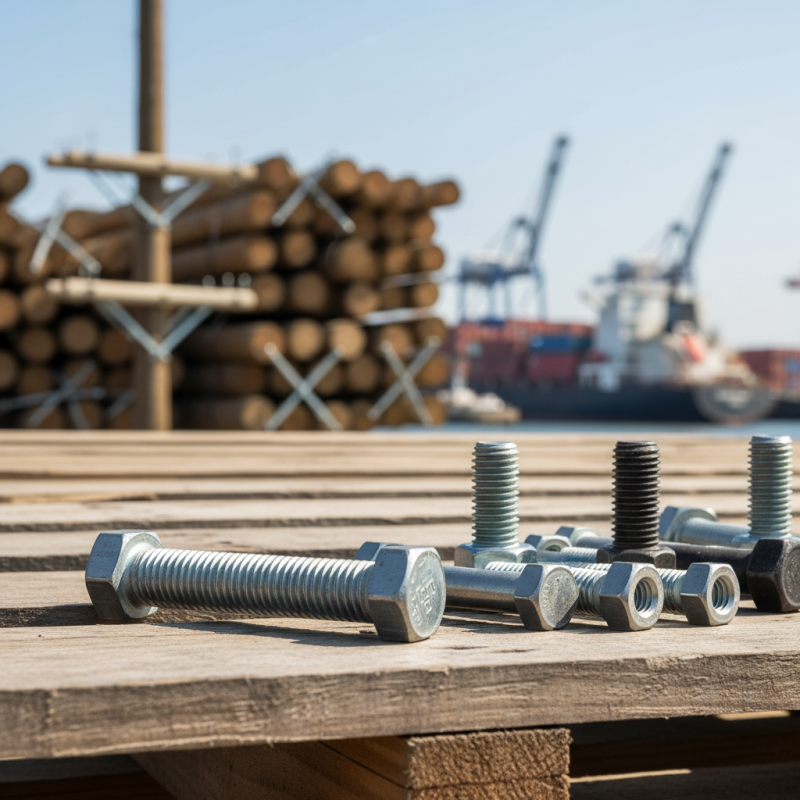
Cross arm bolts play a crucial role in various applications, particularly in the electrical and telecommunications industries. These bolts secure cross arms, which hold equipment like insulators and conductors. A reliable choice ensures safety and efficiency. According to a report by Markets and Markets, the global fasteners market is projected to reach $100 billion by 2025, underlining the importance of quality components like cross arm bolts.
The selection of cross arm bolts requires careful consideration. Material strength, corrosion resistance, and ease of installation are key factors. Data from the American Institute of Steel Construction indicates that improper fastening can lead to structural failures, emphasizing their significance. Manufacturers must also adhere to international standards to ensure product reliability. However, challenges remain in sourcing high-quality bolts that meet these standards consistently.
Quality assurance is often overlooked during sourcing. Many suppliers may not ensure compliance with specifications. A survey by the National Association of Manufacturers revealed that 30% of companies faced issues with sourcing reliable components. Thus, businesses should stay vigilant in monitoring their suppliers’ quality and performance. A robust sourcing strategy could mitigate these risks. Understanding the nuances of cross arm bolts is vital in improving overall supply chain effectiveness.
Key Materials Used in Manufacturing Cross Arm Bolts for Durability
In the realm of cross arm bolts, material selection plays a vital role in ensuring durability and reliability. A significant portion of the industry prioritizes high-strength steel and stainless steel for their exceptional performance under various environmental conditions. According to a report by the American Institute of Steel Construction, using high-strength steel can enhance tensile strength by 30%. This is crucial as cross arm bolts endure substantial stress, especially in overhead line applications.
Galvanization is another critical process that enhances corrosion resistance. Data from the Institute of Corrosion indicates that properly galvanized steel can have a lifespan extended by over 50% in corrosive environments. However, the quality of the galvanization process is key. Inconsistent coating can lead to premature failure. The importance of testing and quality assurance in bolt manufacturing cannot be overstated, as even minor flaws can compromise structural integrity.
The trend toward using composite materials is emerging but not universally adopted. While composites offer excellent weight savings and corrosion resistance, their mechanical properties may not always meet industry standards for load-bearing applications. This suggests a need for careful consideration and potential limitations when opting for innovative materials in cross arm bolt manufacturing. Balancing performance with material choice remains a challenge that requires ongoing research and development.
Global Market Trends Impacting Cross Arm Bolt Sourcing Decisions
In the realm of cross arm bolt sourcing, global market trends are pivotal. Factors like supply chain disruptions and material shortages often dictate sourcing decisions. Many countries have faced economic shifts due to recent events, causing fluctuations in material prices. These changes create uncertainty for sourcing professionals.
Another consideration is regional variations in manufacturing capabilities. Not all countries produce cross arm bolts with the same standards. Buyers must assess the quality and reliability of suppliers. Some suppliers may prioritize cost over quality, leading to long-term reliability issues. This is a crucial factor that cannot be overlooked. Engaging with local experts can provide insights into the best practices for sourcing bolts that meet industry standards.
Additionally, sustainability is becoming more important. Companies are exploring eco-friendly materials and processes. While this trend is promising, it can complicate sourcing decisions. It requires balancing cost, quality, and environmental impact. Buyers may need to rethink their strategies to adapt to these evolving demands. It's clear that sourcing cross arm bolts is not merely a transaction—it's a strategic decision influenced by various global trends.
Top Manufacturers of Cross Arm Bolts: A Comparative Analysis
When sourcing cross arm bolts, evaluating top manufacturers is crucial. Industry reports highlight variations in quality and pricing among suppliers. A recent study indicated that about 40% of global manufacturers struggle with consistency in production. This inconsistency can lead to subpar performance in various applications, negatively impacting infrastructure.
Material quality plays a significant role in the durability of cross arm bolts. Some manufacturers use substandard metals, increasing the risk of corrosion. One comparative analysis found that bolts made from high-strength steel exhibit a lifespan increase of 30%. In contrast, lower-grade alternatives often fail tests, illustrating a need for thorough supplier vetting.
Also, the sourcing process faces challenges. Many procurement teams lack sufficient technical expertise. This gap can affect the selection of the right bolt for specific applications. Experts recommend conducting rigorous quality checks and demand certifications for materials. Data suggests that about 25% of buyers neglect these practices, exposing their projects to potential risks.
Key Standards and Certifications for Quality Assurance in Cross Arm Bolts
When sourcing cross arm bolts, understanding key standards and certifications is crucial. These benchmarks ensure quality and reliability. One notable standard is the ISO 9001, which outlines quality management systems. Adhering to this standard can improve a manufacturer’s efficiency and customer satisfaction. It is essential for global sourcing partners to be compliant with such standards.
In addition to ISO certification, many suppliers look for compliance with ASTM standards. For instance, ASTM A325 and A490 specify the requirements for structural bolts. These standards focus on mechanical properties, which are vital for ensuring safety in construction. A report from the American Society for Testing and Materials indicates that products adhering to these standards show significantly reduced failure rates compared to non-compliant alternatives.
Yet, it's important to recognize that not all suppliers may consistently meet these standards. Regular audits and assessments are necessary to ensure ongoing compliance. The market is filled with options, making it easy to overlook potential discrepancies. Focusing on reputable certifications and standards can lead to better sourcing decisions. Noticing inconsistencies in a supplier’s documentation can lead to critical reflections on sourcing strategies.