Top 10 Benefits of Using Die Casting Molds for Your Projects?
Die Casting Molds are a pivotal tool in modern manufacturing. They offer numerous advantages that can enhance your projects. These molds are known for their precision and reliability, making them a popular choice among engineers and designers.
The speed of production using Die Casting Molds is remarkable. High-quality components can be produced in a fraction of the time, increasing overall efficiency. With improved durability, these molds can withstand repeated use, leading to lower costs over time. However, achieving the perfect casting requires careful design and expertise.
It’s essential to weigh the benefits against potential challenges. Sometimes, the initial investment might be higher than expected. However, the long-term savings often make up for it. The need for skilled operators and regular maintenance can also be points of concern. Still, the advantages often outweigh these drawbacks, making Die Casting Molds a favorable option in various industries.
Understanding Die Casting Molds: An Overview of the Process
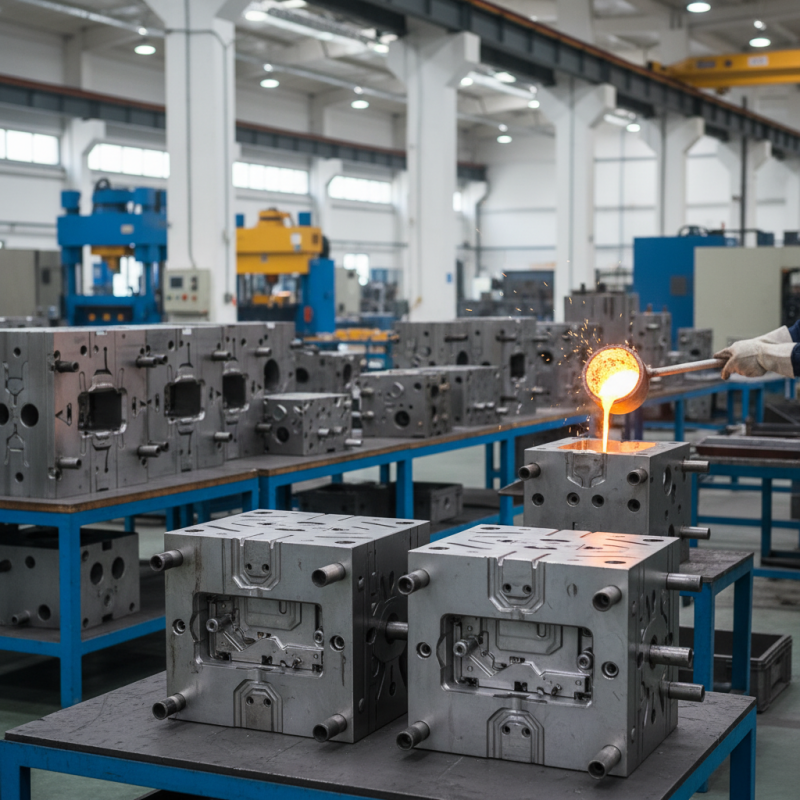
Die casting molds are essential in creating consistent, high-quality metal parts. The process involves pouring molten metal into these molds, allowing for intricate shapes and designs. This method is efficient, producing large quantities with precision. It is widely used across various industries, including automotive and electronics.
Tips: When selecting die casting molds, consider the material compatibility. Each type of metal reacts differently to the molding process. Ensure the mold's design accounts for shrinkage during cooling. This prevents defects in your final product.
Another important point is maintenance. Molds require regular checks for wear and tear. Over time, even a small imperfection can lead to significant issues in production. Make adjustments promptly to avoid costly errors. Not all molds will perform the same; understand when you need to replace them for optimal results.
Key Advantages of Die Casting for Metal Fabrication Projects
Die casting is a powerful process in metal fabrication. It provides precise and complex shapes with excellent dimensional accuracy. This makes it ideal for various applications, from automotive parts to electronic housings. Using die casting molds can result in smoother surface finishes. It often reduces the need for additional machining. This can save both time and costs for projects.
One significant advantage of die casting is its efficiency. The process can produce large quantities quickly. This is particularly beneficial for mass production. However, achieving the perfect mold is crucial. Any imperfections can lead to flaws in the final product. Investing in high-quality molds can mitigate this risk. Yet, it’s essential to regularly evaluate mold performance. Over time, wear and tear may necessitate adjustments.
Another key benefit is the material versatility. Die casting can accommodate various metal alloys. This adaptability allows designers to choose based on project needs. However, the choice of material affects the casting process. Some metals can be more challenging to work with. Careful consideration is necessary to avoid complications. It's a balance between choosing the right metal and anticipating production hurdles.
Cost Efficiency: How Die Casting Molds Save Time and Money
Die casting molds present significant cost efficiency for various projects. They allow manufacturers to produce complex parts quickly, which reduces labor costs. According to the American Foundry Society, moving to die casting can decrease production time by 60% compared to traditional methods. This means that projects can be completed faster, allowing businesses to respond to market demands swiftly.
Additionally, die casting molds lead to reduced material waste. They utilize molten metal efficiently, minimizing excess material. A report from the Aluminum Association states that nearly 94% of used aluminum can be recycled, which lowers raw material costs significantly. This is a clear advantage for manufacturers focusing on sustainability while maintaining budget constraints.
Tip: When selecting a die casting process, consider the initial setup cost. While it can be high, the long-term savings from bulk production can outweigh this.
Tip: Regular maintenance of molds is essential. This helps avoid unexpected costs due to mold failure during production runs. It’s an area that sometimes gets overlooked but can save a lot in repairs.
Investing in die casting molds not only enhances efficiency but also opens up additional avenues for cost savings. Reflecting on these aspects is crucial for maximizing the potential of your manufacturing projects.
Enhanced Material Strength and Quality Through Die Casting
Die casting molds are a game changer for many projects. They enhance material strength significantly. This process allows for precise shaping and uniformity in production. The end products often exhibit remarkable durability, making them suitable for a variety of applications.
With die casting, the quality of the materials used is also crucial. The molten metal is injected into molds at high pressure, ensuring a consistent fill. This results in fewer imperfections compared to other methods. Even so, achieving perfection can be challenging. Slight inconsistencies in temperature or pressure might affect the final quality of the cast. It’s essential to monitor these variables closely.
Moreover, the enhanced strength from die casting can lead to weight savings. You can achieve the desired strength with thinner walls. This can reduce the material cost and cut down on the overall weight of the product. However, finding the right balance between thickness and strength requires careful experimentation. It's a constant learning process, but the potential benefits are worth exploring.
Top 10 Benefits of Using Die Casting Molds for Your Projects
Versatility of Die Casting: Applications Across Various Industries
Die casting has become a key manufacturing process in multiple industries. Its versatility makes it suitable for automotive, aerospace, and consumer electronics. In each sector, custom molds facilitate the efficient production of complex parts. Components can range from engine blocks to intricate electronic housings. This adaptability allows manufacturers to meet various design specifications with ease.
One striking feature of die casting is the precision it offers. Parts produced are often more consistent than those made by other methods. However, this process isn't without challenges. The initial setup for molds can be costly and time-consuming. Additionally, not every design works well with die casting. Some designs may require adjustments to avoid defects. Manufacturers must consider these factors carefully.
In the automotive industry, die casting enables lightweight designs. This is crucial for improving fuel efficiency. Yet, the balance between strength and weight is often hard to achieve. Engineers must constantly evaluate new materials and technologies. In other sectors, like electronics, temperature resistance is vital. Molds must be crafted to withstand high temperatures without compromising quality. Ultimately, while die casting presents many benefits, it also demands thoughtful implementation.