What are the Benefits of Tungsten Carbide Balls for Industry?
Tungsten Carbide Balls have become essential in various industrial applications. Known for their durability, these balls are made from a tough metal matrix. This composition gives them advantages in hardness and wear resistance. Industries that rely on precision materials greatly benefit from using Tungsten Carbide Balls.
Their use in bearings, valves, and tooling enhances performance significantly. The strength of Tungsten Carbide Balls allows machines to operate smoothly and efficiently. However, the manufacturing process can be complex and requires careful quality control. Understanding how these balls affect production can lead to better outcomes.
While Tungsten Carbide Balls offer impressive benefits, challenges exist. For example, costs may be higher than alternatives. Companies need to evaluate whether the investment aligns with their needs. Balancing durability and expense remains crucial for many. Ultimately, the advantages of using Tungsten Carbide Balls are clear, but companies must also carefully assess their specific requirements.
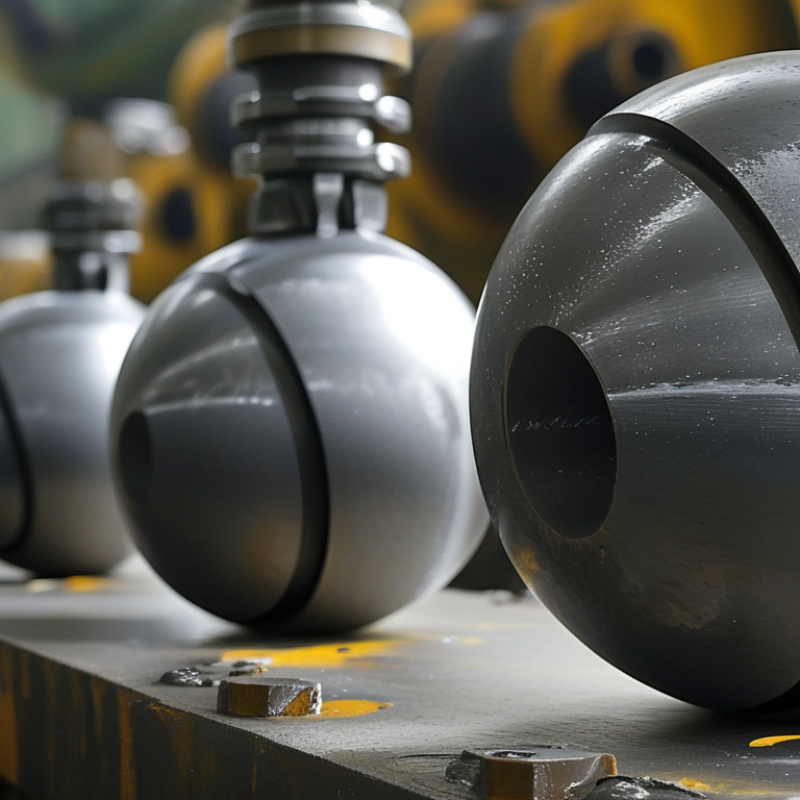
What is Tungsten Carbide and Its Industrial Applications?
Tungsten carbide is a compound made from tungsten and carbon. It is known for its exceptional hardness and resistance to wear. This makes it a valuable material in various industrial applications, from mining to manufacturing tools. In its solid state, tungsten carbide can withstand extreme conditions, making it ideal for high-pressure environments.
In the manufacturing sector, tungsten carbide balls are widely used in bearings and valve components. Their ability to maintain precision under stress is crucial. They also provide excellent longevity, reducing the frequency of replacements. The material excels in high-impact scenarios, yet there might be challenges in machining due to its hardness. Skilled handling is essential.
Moreover, tungsten carbide plays a role in various industries. It is utilized in the creation of cutting tools, drill bits, and abrasives. Its efficiency can enhance production processes. However, the cost of tungsten carbide can be a concern for businesses. While its benefits are significant, companies must weigh the investment against budget constraints. This balance requires careful consideration.
Key Properties of Tungsten Carbide Balls that Benefit Industries
Tungsten carbide balls are known for their exceptional strength and durability. These characteristics make them ideal for various industrial applications. Their hardness is second only to diamond, allowing them to withstand harsh conditions. This quality protects machinery from wear and tear, which is essential in sectors like manufacturing and mining.
In addition to their hardness, tungsten carbide balls exhibit excellent resistance to corrosion and oxidation. They maintain their integrity even in extreme temperatures. These properties ensure longevity and reliability in crucial components. Industries benefit from reduced downtime and lower maintenance costs. However, the sourcing of tungsten can raise ethical issues. It is important for manufacturers to consider sustainable practices.
While tungsten carbide balls offer remarkable advantages, challenges remain. Sourcing quality materials consistently is a concern. Additionally, the cost can be higher compared to alternatives. As industries lean towards stronger materials, the focus should be on balancing performance and ethics. Emphasizing responsible sourcing can enhance the overall reputation of companies using tungsten carbide balls.
Advantages of Tungsten Carbide Balls in Manufacturing Processes
Tungsten carbide balls offer significant advantages in various manufacturing processes. Their high hardness, reaching up to 9 on the Mohs scale, makes them ideal for applications requiring durability. Reports indicate that industries using tungsten carbide balls experience less wear and tear, leading to lower maintenance costs. This hardness ensures precision in machining and minimizes the chances of deformation during operations.
Aside from durability, tungsten carbide balls excel in resistance to heat and corrosion. This is particularly beneficial in environments exposed to extreme conditions. A study published in a materials science journal noted that tungsten carbide balls could withstand temperatures exceeding 1,000°C without significant degradation. Such characteristics make them suitable for aerospace and automotive sectors.
**Tip:** When selecting tungsten carbide balls, consider the specific requirements of your application. Analyze factors like load-bearing capacity and environmental conditions. Also, consult with experts to ensure optimal choice.
Moreover, their density provides stability in various processes. This stability can enhance the quality of the finished products. Nevertheless, careful handling is essential. Improper use may lead to unexpected failures. In industries where precision and reliability are critical, evaluating performance metrics is crucial. Regular audits can help maintain high standards and ensure long-term success.
Comparison of Tungsten Carbide Balls with Alternative Ball Materials
Tungsten carbide balls have gained popularity in various industries, especially for their durability and strength. When compared to alternative materials like steel or ceramic balls, tungsten carbide stands out due to its wear resistance. These balls can endure intense pressure and friction, making them suitable for demanding applications.
In contrast, steel balls are more prone to rust and wear over time. Ceramic balls often chip or break under heavy loads. Although they offer benefits like lightweight design, their longevity can be questionable. For industries focusing on precision and efficiency, the reliability of tungsten carbide balls offers a significant advantage.
Tips: Consider your specific needs before choosing ball materials. Assess the operating environment and load conditions. Remember, not every application needs tungsten carbide. Sometimes, a less expensive material may suffice. Always weigh the pros and cons for the best results.
Cost-Effectiveness of Tungsten Carbide Balls in Long-Term Use
Tungsten carbide balls are increasingly popular in industrial applications. Their cost-effectiveness becomes clear when considering their long-term use. Despite the initial investment, these balls offer significant savings over time.
Tungsten carbide is known for its hardness and wear resistance. This durability means fewer replacements are needed. Many industries, such as manufacturing and mining, benefit from this longevity. A higher upfront cost can pay off through reduced maintenance and replacement expenses.
Yet, not every application may suit tungsten carbide. Some environments demand softer materials. It’s crucial to evaluate specific needs before choosing. Analyzing performance in various conditions helps prevent costly mistakes. Balancing upfront costs with long-term benefits requires thoughtful consideration.