Why Choose a 5-axis Gantry Machining Center for Your Business?
In today's competitive manufacturing landscape, choosing the right machining technology can greatly impact your business's success. The 5-axis Gantry Machining Center stands out for its versatility and efficiency. This advanced equipment allows for complex geometries and intricate designs, delivering high precision. It's designed to handle large parts and offers unmatched stability during the machining process.
Many businesses hesitate to invest in this technology due to the upfront costs. However, the long-term benefits often outweigh initial concerns. With a 5-axis Gantry Machining Center, companies can enhance productivity and reduce lead times. The ability to work on multiple sides of a workpiece in a single setup can significantly streamline operations. While it may seem daunting for smaller enterprises, its efficiency can lead to cost savings and improved throughput.
In the evolving landscape of manufacturing, adapting to advanced tools is crucial. The 5-axis Gantry Machining Center not only meets current demands but prepares your business for future challenges. Embracing this technology might feel overwhelming, but the potential rewards can transform your manufacturing capabilities.
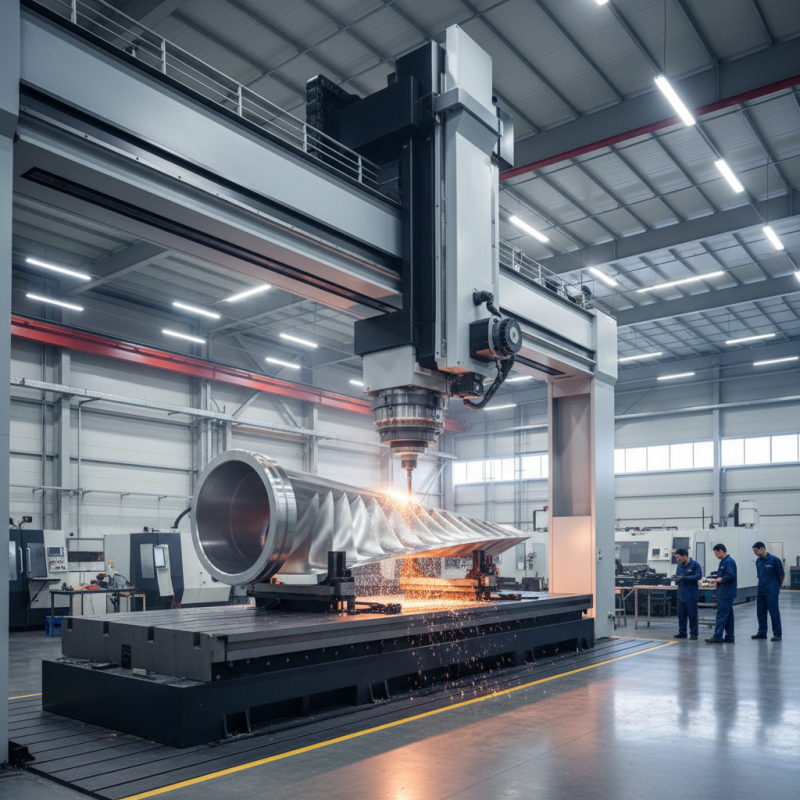
Advantages of 5-axis Gantry Machining Centers in Manufacturing
When considering manufacturing efficiency, a 5-axis gantry machining center offers significant advantages. These machines allow for complex component shapes to be produced in a single setup. According to industry reports, using 5-axis technology can reduce production times by up to 40%. Additionally, the reduction in setup time can lead to lower operational costs.
Accuracy is another key benefit. Industry analyses show that 5-axis systems can achieve tolerances of ±0.005 mm. This level of precision is crucial in fields like aerospace and medical device manufacturing. It can minimize waste and the need for rework, ultimately enhancing productivity.
However, it's essential to acknowledge the learning curve associated with this technology. Operators need to be adequately trained to utilize the full capabilities of a 5-axis gantry system. Investing in employee training may initially seem costly. Yet, the long-term gains in efficiency and quality often outweigh these expenses. Constant evaluation is necessary to ensure that production processes keep pace with technological advancements.
Key Features of 5-axis Gantry Machining Centers Explained
When considering a 5-axis gantry machining center, understanding its key features is paramount. These machines excel in their ability to handle complex geometries. The versatility they offer is unparalleled in the manufacturing sector. Recent industry reports indicate that companies using 5-axis centers have seen an increase in productivity by up to 30%. This efficiency contributes significantly to operational costs.
The structure of a gantry machining center provides enhanced stability during machining operations. This stability reduces vibration, leading to improved precision in parts. Aerospace and automotive industries, which require high tolerances, benefit immensely from this feature. Furthermore, the ability to machine multiple sides of a workpiece in a single setup minimizes handling time.
Tip: Evaluate the dimensions and weight capacity when selecting a 5-axis gantry machining center. Ensure it aligns with your intended applications.
While the advantages are clear, it's essential to be mindful of the learning curve associated with operating these machines. Proper training is necessary to realize their full potential. Additionally, maintenance requires vigilance. Regular checks can prevent costly downtimes, ensuring the longevity of the equipment.
Tip: Invest time in staff training programs. A knowledgeable team is crucial for maximizing machine performance.
Comparison of 5-axis Gantry vs. Traditional Machining Techniques
In the realm of machining, the choice of technology matters significantly. Traditional machining techniques often involve multiple setups, increasing time and potential for error. These methods rely heavily on skilled operators, which can lead to variability in output. With traditional systems, the focus is typically on linear movement. This might not meet the demands of today’s complex designs.
In contrast, a 5-axis gantry machining center allows for simultaneous movement across five different axes. This capability enhances precision and efficiency. Complex geometries are easily attainable, sometimes in a single pass. The reduced need for part movement minimizes the likelihood of mistakes. Operators can focus on intricate designs without the constant worry of inconsistency.
However, adopting new technology isn't without challenges. Transitioning to a 5-axis system requires training and adjustment. Not all businesses may be ready for such a shift. Production volumes and the types of components also dictate whether this investment is worthwhile. Some could find that a phased approach works better, still allowing them to innovate while minimizing risk.
Applications of 5-axis Gantry Machining in Various Industries
The 5-axis gantry machining centers are becoming essential in various industries. Aerospace and automotive sectors greatly benefit from this technology. According to a recent report by Markets and Markets, the global aerospace component manufacturing market is projected to reach $150 billion by 2026, emphasizing the need for efficient machining solutions.
In the medical device industry, precision is non-negotiable. 5-axis machining ensures that components meet strict regulations and quality standards. A study revealed that 80% of manufacturers prioritize precision in their operations. Such machining can create complex geometries required in surgical instruments with high accuracy.
However, the integration of 5-axis gantry systems is not without challenges. The initial setup and programming can be time-consuming. Many businesses report difficulty in training staff to handle sophisticated operations. These hurdles should not overshadow the potential gains in efficiency and quality. Dialogues are necessary to address these concerns and improve the onboarding process for new technologies.
Cost-Benefit Analysis of Investing in 5-axis Gantry Technology
Investing in a 5-axis gantry machining center can be a transformative decision for many businesses. This technology offers precision that traditional machining cannot match. In high-precision applications, the accuracy of a 5-axis system can significantly reduce material waste. Companies can produce complex parts more efficiently, allowing for faster turnaround times.
However, the initial costs can be daunting. Businesses must weigh these upfront expenses against potential long-term savings. While a 5-axis gantry machining center may require a substantial investment, it often leads to reduced labor costs and minimizes the need for secondary operations. This technology can streamline production, yet its complexity means additional training for staff. It’s crucial to evaluate whether your team can adapt.
Moreover, the reliability of this equipment is essential. Technical issues can arise, causing delays and added costs. This potential for downtime needs careful consideration. Thus, a thorough assessment of current capabilities and future demands is vital. Thoughtful reflection is necessary to ensure that investing in a 5-axis gantry machining center aligns with your overall business strategy and goals.
Why Choose a 5-axis Gantry Machining Center for Your Business? - Cost-Benefit Analysis
| Criteria | Traditional Machining Center | 5-axis Gantry Machining Center |
| Initial Investment Cost | $100,000 | $150,000 |
| Operating Costs (Annual) | $20,000 | $25,000 |
| Production Speed (parts/hour) | 10 | 15 |
| Setup Time (hours) | 4 | 2 |
| Tool Change Time (seconds) | 30 | 15 |
| Material Waste (%) | 10 | 5 |
| Return on Investment (ROI, %) | 15% | 25% |