2026 Top Switchgear RMU Trends for Global Buyers?
As the global demand for efficient power distribution rises, the Switchgear RMU market is evolving rapidly. According to a recent report by Global Market Insights, the Switchgear RMU sector is projected to grow at a CAGR of 6.5% from 2022 to 2030. This growth reflects the increasing need for reliable and compact solutions in modern electrical infrastructure.
Industry expert Dr. Emily Fortner states, "Switchgear RMUs are essential for ensuring uninterrupted power supply". Her insights emphasize the critical role of these devices in maintaining safety and efficiency in the energy sector. As urban environments grow, switching technologies are adapting to meet new challenges.
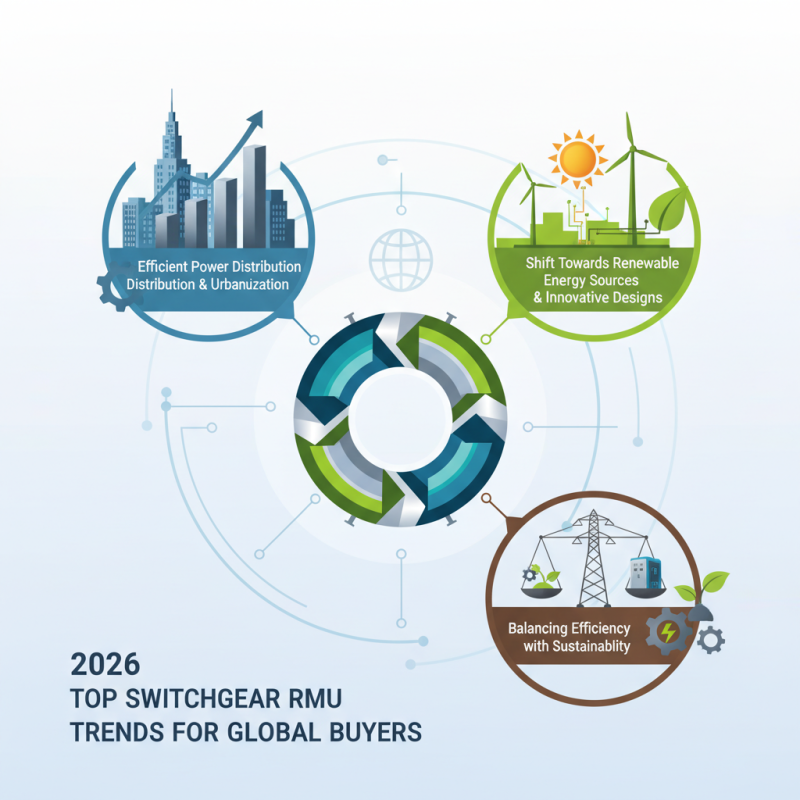
However, the market is not without its challenges. A shift towards renewable energy sources necessitates innovative designs in Switchgear RMUs. These units must cater to both conventional needs and new energy applications. Balancing efficiency with sustainability will be vital. The future of Switchgear RMUs is promising, yet it requires reflection and adaptation to navigate emerging trends.
Key Innovations in RMU Technology for 2026
The RMU (Ring Main Unit) technology is evolving rapidly, driven by the demand for more reliable and efficient power distribution systems. In 2026, buyers will notice significant innovations that enhance safety and performance. These include compact designs that optimize space while improving operational efficiency. The integration of smart technologies allows for real-time monitoring, which enhances predictive maintenance. Increased automation also reduces human error and minimizes downtime.
Another trend is the focus on sustainability. Manufacturers are adopting eco-friendly materials that lessen the environmental impact of RMUs. This shift towards green technology is vital, especially as global buyers prioritize sustainability in their purchasing decisions. The development of modular systems also enables easier upgrades and scalability, which can be a game changer for businesses needing flexibility.
However, the transition to these innovations is not without challenges. Some facilities may struggle with integration due to outdated infrastructure. Training personnel to handle new technologies can also be a hurdle. It’s essential for buyers to weigh these factors carefully. The landscape of RMU technology is changing, but the shift demands thoughtful implementation.
Sustainability Trends Impacting RMU Design and Manufacturing
As the global focus on sustainability intensifies, the design and manufacturing of Ring Main Units (RMUs) are being significantly influenced. The push towards greener solutions is driving innovations in materials and energy efficiency. According to a recent report by the International Energy Agency, the adoption of eco-friendly materials in electrical equipment can reduce carbon emissions by up to 30%. This trend is evident in the increasing use of recycled metals and environmentally friendly insulation, which can lower the environmental footprint of RMUs.
Moreover, manufacturing processes are evolving to prioritize energy efficiency. A study from the Global Electrical Equipment Group indicates that incorporating renewable energy sources in the production of RMUs can decrease energy consumption by nearly 25%. However, this shift poses challenges. Transitioning to sustainable practices often entails higher initial costs and requires extensive retraining of the workforce, which may slow down progress. Companies must balance these investments with the demand for reliable and cost-effective solutions.
Finally, customer expectations around sustainability are rising. A report from the World Economic Forum highlights that 70% of buyers are more likely to choose products that align with sustainable practices. This demand pressures manufacturers to innovate continually. While the path towards sustainability appears promising, it also requires careful consideration of supply chain complexities and long-term viability. How to navigate these challenges effectively remains a key question for the industry.
Market Analysis: Key Players and Competitive Landscape for RMUs
In the evolving landscape of Switchgear RMUs (Ring Main Units), the competitive environment remains intense. A recent market report forecasts steady growth in this sector, with a projected CAGR of 5.6% from 2021 to 2026. Key players are leveraging technological advancements to enhance performance, safety, and reliability. It's essential for buyers to assess not only the product quality but also the supplier's market position.
The competitive landscape reveals that market share is increasingly influenced by innovation. Many companies are investing in eco-friendly materials and smart technology integration. Reports indicate that around 30% of new RMUs are now designed with IoT capabilities, pushing traditional products to adapt quickly. Buyers may find themselves in a position to demand more tailored solutions to fit specific energy needs.
It’s a double-edged sword, where customization can bring both advantages and challenges.
Despite these advancements, buyers should remain cautious. Fluctuating raw material costs and regulatory pressures could impact pricing structures. Furthermore, the fast pace of technological innovation means that what is cutting-edge today may become obsolete tomorrow. Keeping an eye on these trends and preparing for potential disruptions will be crucial for buyers looking to navigate this competitive landscape effectively.
Integration of Smart Grid Technologies in RMUs
The integration of smart grid technologies into Ring Main Units (RMUs) is a game changer for modern electrical distribution. Smart grids enhance control and efficiency in power networks. They enable real-time monitoring and data exchange, which improves reliability. This high level of connectivity supports predictive maintenance strategies. Sensors embedded in RMUs can detect faults early, significantly reducing downtime.
However, challenges remain in integrating these advanced technologies. Many users struggle with legacy infrastructure that lacks compatibility with new systems. Furthermore, data privacy and cybersecurity concerns arise as RMUs become more connected. Reliable systems are essential, but stakeholders must safeguard against potential threats.
Training and education are crucial for effective implementation. Technicians need specialized knowledge to handle smart technologies. Investing in skill development can bridge the knowledge gap. This initiative fosters a smoother transition to smart RMUs, yet some organizations may lag in adapting. Continuous improvement is essential for leveraging the full potential of smart grids in RMUs.
2026 Top Switchgear RMU Trends for Global Buyers
Future Challenges and Opportunities in the Global RMU Market
The global RMU market is undergoing significant changes as it adapts to new demands. With the growing need for smart grids, RMUs are evolving to enhance connectivity. This shift presents challenges in integrating advanced technologies. Many buyers need help understanding which features truly add value.
Another concern is sustainability. The industry faces pressure to reduce its environmental footprint. Consumers are now more aware of eco-friendly products. However, not all buyers prioritize sustainability equally. This disconnect can lead to missed opportunities.
Market players must navigate these complexities alongside regulatory challenges. Compliance is critical as standards evolve. Companies that stay informed can adapt more easily. Those that fail to do so might struggle or fall behind. Engaging with stakeholders can illuminate paths forward, fostering innovation and collaborative solutions.