2026 Top Metallurgical Bridge Crane Features and Benefits?
The metallurgical industry relies heavily on advanced equipment to ensure efficiency and safety. One key piece of equipment is the Metallurgical Bridge Crane. This crane plays a vital role in heavy material handling within steel mills and foundries.
In 2026, the features of Metallurgical Bridge Cranes have evolved significantly. They incorporate advanced technology, enhancing control, safety, and reliability. Notably, automation is becoming a standard, reducing human error. However, challenges remain in integrating these features seamlessly into existing systems.
Understanding the benefits of Metallurgical Bridge Cranes is crucial. They improve productivity while ensuring worker safety. However, the adoption of such cranes requires careful planning. Companies must reflect on their specific needs and capabilities. Investing in the right equipment can lead to significant improvements. Yet, it's essential to recognize that not all solutions fit every scenario.
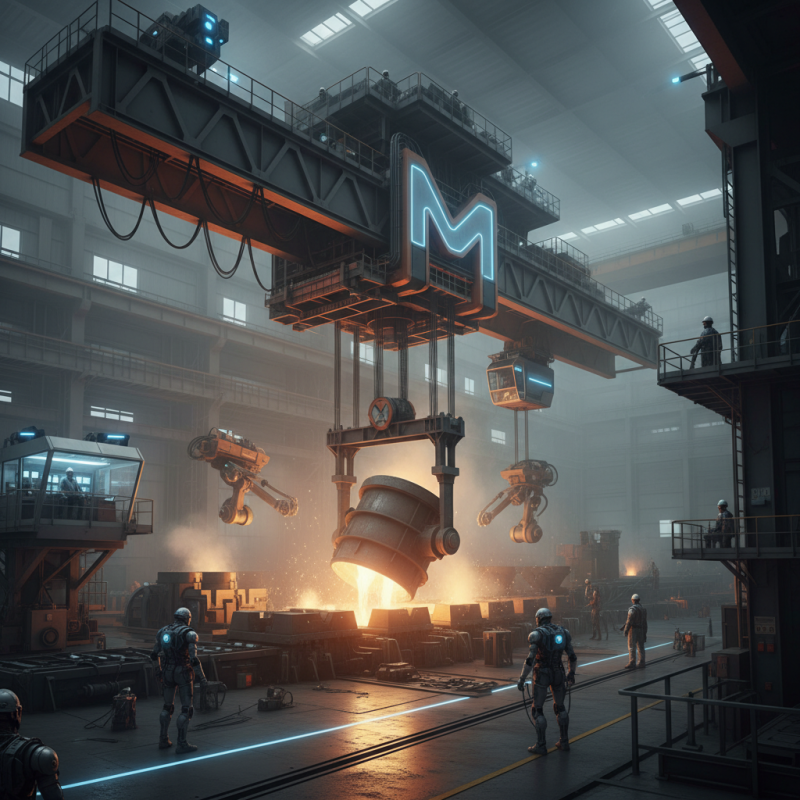
Overview of Metallurgical Bridge Cranes and Their Applications
Metallurgical bridge cranes play a vital role in heavy industries. They are designed for the unique challenges of handling molten metal and heavy loads. In steel mills and foundries, these cranes ensure safe and efficient material transport. According to a 2022 industry report, over 30% of crane accidents occur due to overload. Choosing the right crane can prevent such incidents.
These cranes typically feature high-temperature resistance and robust construction. They can handle weights exceeding 400 tons. Their design minimizes downtime and enhances productivity. However, maintenance is crucial. Neglecting routine checks can lead to failures. Proper training for operators also matters. Inadequate training contributes to a notable percentage of operational errors.
Applications extend beyond steel manufacturing. Foundries rely on them for metal casting processes. The versatility of metallurgical cranes is a significant advantage. Yet, there is a need for continuous innovation in safety features. Industry standards evolve, pushing for advancements in automation and monitoring systems. New technologies could help mitigate risks, but adoption varies.
Key Features of 2026 Top Metallurgical Bridge Cranes
The 2026 top metallurgical bridge cranes showcase several key features designed for efficiency. These cranes are built to handle heavy loads with precision. They often include high lifting heights, allowing for seamless operations in tall facilities. Operators appreciate the intuitive controls that enhance maneuverability.
Safety is a significant consideration. Many models come with enhanced safety systems, reducing the risk of accidents. However, there are occasional reports of malfunctions. Regular maintenance is essential to avoid unexpected downtime.
Innovative designs also focus on energy efficiency. Using advanced materials means lower energy consumption. But users sometimes find that the cost of repairs can outweigh the savings. It is crucial to weigh these factors when choosing equipment for your operations.
Advantages of Modern Metallurgical Bridge Crane Technology
Modern metallurgical bridge cranes offer a range of advanced features that enhance operational efficiency. These cranes typically have high load capacities, often exceeding 100 tons, allowing them to lift heavy materials with ease. Furthermore, they are equipped with precision control systems, which improve positioning accuracy. This is crucial in environments like steel mills, where precision can save both time and materials.
A notable advantage of this technology is how it contributes to safety. The incorporation of smart sensors reduces the risk of accidents. A study shows that workplaces using advanced cranes reported a 30% decrease in injury rates. This shift not only protects workers but also minimizes downtime caused by accidents.
Tips: Regular maintenance is essential for optimal performance. Perform weekly checks on critical components. This helps avoid unexpected breakdowns.
Modern cranes also feature energy-efficient designs. These can lead to savings in operational costs. A report indicates that using efficient cranes can reduce energy consumption by up to 25%. However, transitioning to these systems involves an initial investment that some companies find daunting. Balancing cost and long-term benefits requires careful consideration.
2026 Top Metallurgical Bridge Crane Features and Benefits
This chart illustrates the key features and benefits of modern metallurgical bridge cranes for the year 2026, highlighting their load capacity, span length, operational speed, maintenance frequency, and energy efficiency. These advancements contribute significantly to operational effectiveness and cost savings in metallurgical applications.
Safety Enhancements in 2026 Metallurgical Bridge Cranes
Metallurgical bridge cranes are evolving rapidly. In 2026, safety enhancements take the forefront. These cranes now include advanced sensors and monitoring systems. These features help detect potential hazards in real-time. Operators receive instant alerts, reducing the risk of accidents.
Tips for improving safety: Regular training is crucial. Operators must understand new features. They should practice emergency procedures. This can save lives in critical moments. Maintenance routines are vital too. Ensure all safety systems function properly.
The physical design of these cranes contributes to safety as well. Improved visibility for operators is a key focus. Enhanced lights and camera systems make a significant difference. However, not all safety measures are foolproof. Continuous evaluation and adaptation are necessary. Operators must remain vigilant. Safety protocols should evolve with new technologies and challenges.
2026 Top Metallurgical Bridge Crane Features and Benefits - Safety Enhancements in 2026 Metallurgical Bridge Cranes
| Feature | Description | Benefits |
| Advanced Safety Sensors | Integration of proximity sensors to prevent collisions. | Reduced risk of accidents and improved personnel safety. |
| Load Monitoring Systems | Real-time weight monitoring to ensure safe handling limits. | Minimized risk of overload and equipment failure. |
| Emergency Stop Features | User-friendly emergency stop buttons located at multiple points. | Quick response to emergencies enhances safety for operators. |
| Anti-Sway Technology | Systems to minimize the swaying of suspended loads. | Improved load stability while moving, reducing accidents. |
| Remote Control Operation | Remote controls for operating cranes from a safe distance. | Enhanced operator safety and improved workstation ergonomics. |
| Regular Maintenance Alerts | Automated notifications for scheduled maintenance checks. | Increased equipment reliability, leading to fewer breakdowns. |
Future Trends in Metallurgical Bridge Crane Design and Functionality
The future of metallurgical bridge cranes is evolving rapidly. Recent studies predict a shift toward enhanced automation and smart technologies. The market is expected to grow by over 6% annually until 2026. This growth reflects increasing industrial demands. Integration of IoT technologies will allow for real-time monitoring of crane operations. Sensors will track performance metrics, enhancing efficiency.
Design innovation is another critical trend. Ergonomic improvements aim to reduce operator strain. Lightweight materials can increase load capacity and durability. According to industry data, user-friendly designs will improve operational safety. Cranes equipped with advanced safety features can minimize risks in high-stress environments. However, some designs may still lack robustness in extreme conditions, requiring user feedback for further improvement.
Sustainability is also becoming vital. Energy-efficient options can significantly reduce operational costs. Implementing recyclable materials in production can address ecological concerns. Nonetheless, the transition to greener technologies may not fully meet production needs. Industry leaders must continually assess this balance between innovation and functionality. The future of metallurgical bridge cranes promises exciting developments, but careful reflection on current limitations remains essential.