2026 Top Electrical Nerve Stimulation Trends for Global Buyers?
In recent years, Electrical Nerve Stimulation has gained significant attention. This technique is transforming pain management and rehabilitation processes. As we look ahead to 2026, global buyers must stay informed about emerging trends in this innovative field.
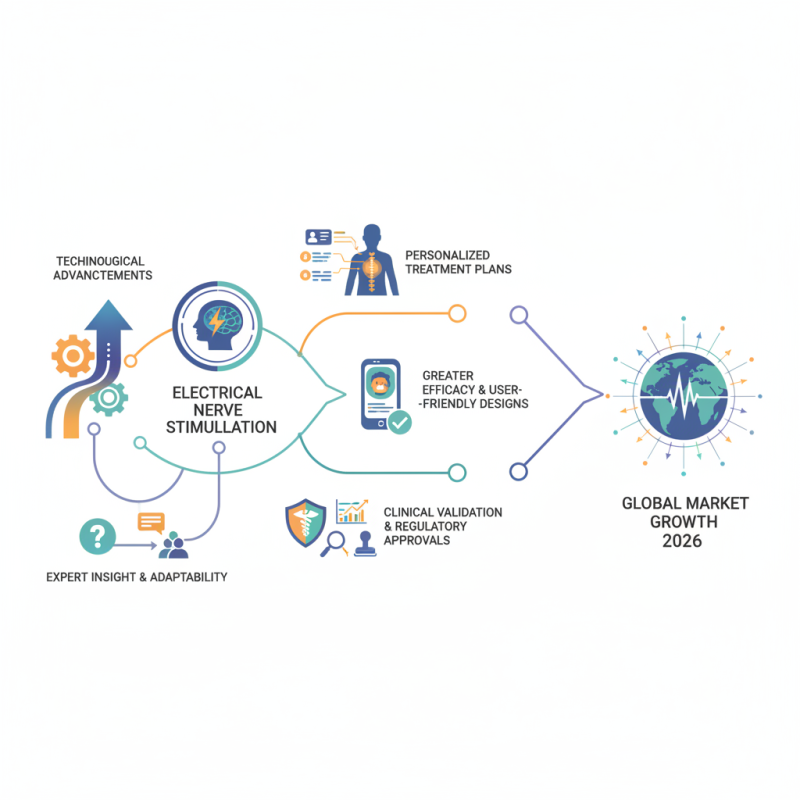
The landscape of Electrical Nerve Stimulation is evolving. New devices promise greater efficacy and user-friendly designs. Trends show a shift towards personalized treatment plans, allowing for tailored pain relief solutions. However, challenges remain, such as the need for clinical validation and regulatory approvals.
Buyers should seek reliable sources of information as they navigate these trends. Experts in the field emphasize the importance of understanding both technological advancements and patient needs. As the market grows, staying ahead will require both insight and adaptability.
Emerging Technologies in Electrical Nerve Stimulation for 2026
The field of electrical nerve stimulation is rapidly evolving. As we approach 2026, several emerging technologies are set to transform this sector. These innovations are designed to offer more effective therapy while minimizing side effects. For instance, non-invasive stimulation methods could provide pain relief without the risks associated with surgery. The potential for wearable devices is also on the rise. They can deliver targeted stimulation in real time, adapting to the user’s needs.
Regulatory challenges persist in this field, creating hurdles for new technologies. Developers must navigate a complex landscape to ensure safety and efficacy. Clinical trials will be essential for demonstrating how these new devices work. The integration of artificial intelligence is an exciting development, helping to personalize treatments. Algorithms can analyze a patient's data, adjusting stimulation parameters for optimal results.
These advancements promise to enhance patient awareness and involvement. Consumers will seek devices that allow for seamless integration into their lifestyle. There is still much skepticism surrounding the effectiveness of these new approaches. More research and evidence are needed to build trust in these technologies. Nevertheless, the future of electrical nerve stimulation appears promising, with substantial potential for improving the quality of life for many individuals.
Global Market Analysis of Electrical Nerve Stimulation Devices
The global market for electrical nerve stimulation devices is experiencing significant growth. A report by MarketsandMarkets estimates that the market will reach approximately $7.4 billion by 2026, growing at a compound annual growth rate (CAGR) of 7.1%. This growth is driven by increasing prevalence of chronic pain and neurological disorders. Such conditions are affecting millions worldwide, increasing demand for effective treatment options.
Non-invasive nerve stimulation techniques are gaining traction. According to a recent study, nearly 30% of patients with chronic pain may benefit from these therapies. Furthermore, the rise in geriatric populations globally is expected to drive further demand. As the effectiveness of these devices becomes more recognized, healthcare providers are likely to adopt them more widely. However, there remain challenges in standardizing treatment protocols across regions.
While the potential is promising, there is room for improvement. Many healthcare professionals still have limited knowledge of electrical nerve stimulation technologies. Misconceptions about the efficacy of these devices can hinder widespread adoption. Continuous education and robust clinical trials are critical. More data is needed to prove long-term benefits and inform best practices.
Innovative Applications of Electrical Nerve Stimulation in Healthcare
Electrical nerve stimulation is revolutionizing healthcare with innovative applications. This technology harnesses electrical impulses to interact with the nervous system. Techniques like transcutaneous electrical nerve stimulation (TENS) offer pain relief without medications. Patients experience reduced discomfort and improved mobility, making daily activities easier.
Research shows promising uses in rehabilitation. For instance, electrical stimulation can enhance muscle recovery after injury or surgery. By promoting blood flow and reducing atrophy, patients regain strength. However, effectiveness can vary based on individual response. Some might not feel significant benefits, which raises questions about personalization.
Moreover, applications extend to managing chronic conditions. Patients with fibromyalgia or neuropathy often find solace in stimulation therapies. Yet, the challenge remains in developing standardized treatment protocols. Not all devices yield the same results. As this field advances, careful study and patient feedback are essential. This way, healthcare providers can tailor treatments to better meet diverse needs.
2026 Top Electrical Nerve Stimulation Trends for Global Buyers
This chart illustrates the projected market growth percentages for various innovative applications of electrical nerve stimulation in healthcare by 2026. Each application shows different growth potential, with pain management leading at 30% growth.
Regulatory Trends Affecting Electrical Nerve Stimulation Products
The electrical nerve stimulation market is witnessing significant regulatory changes. These changes affect product development and market entry strategies. Producers must navigate complex regulations that vary by region. Compliance with these rules is crucial for successful launches.
Many countries are tightening safety standards. This means manufacturers must invest more in testing and validation. New guidelines often necessitate rigorous clinical trials. The burden of meeting these requirements can delay product availability. Manufacturers might struggle to keep pace with evolving regulations.
Regulatory bodies also emphasize transparency in clinical data. This trend is shaping how companies approach research and marketing. A more transparent process can build consumer trust. However, it demands comprehensive documentation and robust ethical standards. The balance between innovation and compliance presents an ongoing challenge for industry players. These shifting dynamics will undeniably influence the future of electrical nerve stimulation products.
Consumer Insights and Demand for Nerve Stimulation Solutions in 2026
As the demand for nerve stimulation solutions continues to grow, consumer insights reveal key trends that will influence the market in 2026. Data from recent industry reports indicate that approximately 45% of consumers are increasingly aware of the benefits of electrical nerve stimulation for pain management. Enhanced awareness drives a preference for non-invasive treatments. The push towards such solutions highlights a significant shift in consumer attitudes toward healthcare and wellness.
Moreover, a recent survey indicated that 30% of respondents expressed dissatisfaction with traditional pain relief methods. This dissatisfaction amplifies the call for innovative nerve stimulation options, emphasizing a desire for solutions that offer quick and effective relief without side effects. Factors such as rising healthcare costs and the growing emphasis on patient-centered care further reinforce this trend. While consumers show enthusiasm for these technologies, many also require more information about efficacy and safety.
Understanding the nuances of consumer behavior is crucial. Some users report confusion over the various applications of nerve stimulation technologies. Others are concerned about accessibility and affordability. Market players must address these concerns effectively. Continuous education and transparent communication will be essential to build trust and confidence in nerve stimulation solutions. The landscape in 2026 will likely be shaped by how well stakeholders respond to these consumer insights.