2026 Top Cord End Terminals Buying Guide for Global Sourcing
In the ever-evolving landscape of manufacturing and electrical connections, Cord End Terminals stand out as a vital component. These connectors enable secure and reliable connections essential for various applications. As we approach 2026, understanding the intricacies of Cord End Terminals becomes increasingly important for global sourcing.
The market offers diverse types of Cord End Terminals, each with specific benefits and drawbacks. Sourcing the right terminal may feel overwhelming. Each choice impacts performance, longevity, and safety in critical systems. Awareness of specifications can lead to better decisions, preventing costly mistakes. However, companies often overlook these details, putting projects at risk.
Industry experts emphasize the importance of quality. Reliable suppliers can enhance a project's success. Yet, navigating through countless options presents challenges. Many buyers may feel uncertain and need guidance. This buying guide aims to provide clarity. It strives to empower decision-makers with knowledge, ensuring they select the best Cord End Terminals for their needs.
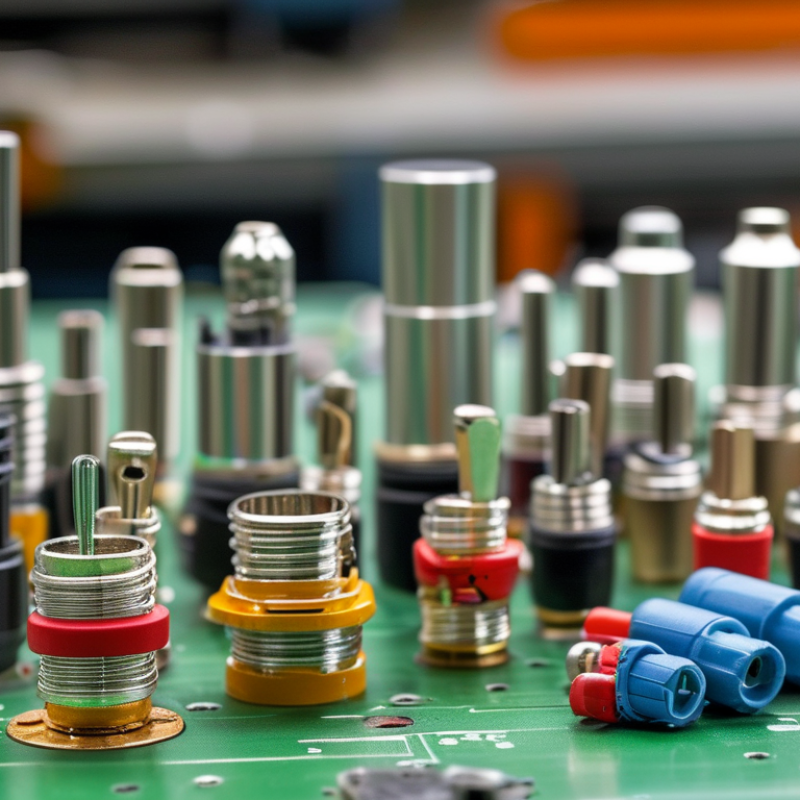
Understanding Cord End Terminals: Types and Applications in Industry
Cord end terminals are essential components in various industries. They connect wires securely, ensuring effective electrical conduction. Understanding different types of cord end terminals is vital for optimizing performance.
In industrial settings, you will find insulated and non-insulated terminals. Each serves distinct purposes. Insulated terminals prevent accidental conductive contact, reducing safety risks. Non-insulated terminals offer a tighter connection for high-current applications. Choosing the correct type is crucial for efficiency.
Tips: Always assess your project requirements carefully. Consult with experts if needed. Don't underestimate the importance of reliable terminals. A small mistake can lead to significant failures. Proper installation practices are essential. Use the right tools to ensure tight connections.
Furthermore, consider environmental factors. Some terminals resist corrosion better. Choosing materials based on the environment can prolong the lifespan of your application. Reflect on the specific needs of your work to ensure the best results. Every detail matters in electrical connections.
Key Factors for Selecting Cord End Terminals: Material, Size, and Ratings
When selecting cord end terminals, material, size, and ratings are critical factors. Materials commonly used include copper, aluminum, and various alloys. Each material offers distinct conductivity and durability traits. For instance, copper terminals tend to provide better conductivity compared to aluminum, but they can be more expensive. Understanding the operational environment is essential, as some materials may corrode in adverse conditions.
Size is another important consideration. Cord end terminals come in various sizes to accommodate different wire gauges. An improper size can lead to poor connections, resulting in safety hazards or equipment failure. Industry reports indicate that improper sizing is a leading cause of electrical failures, leading to costs ranging from $500 to $50,000 per incident. It's essential to adhere to the specifications provided by industry standards.
Finally, ratings play a vital role in ensuring safety and performance. Terminals are rated based on their maximum amperage and voltage. Selecting the right rating minimizes the risk of overheating or electrical shorts. A study found that 30% of electrical fires result from improperly rated components. Users must always cross-reference their requirements with reliable ratings to ensure long-term reliability. Each factor deserves reflection, as overlooking any aspect can lead to operational inefficiencies.
Evaluating Manufacturer Certifications and Industry Standards for Quality
When sourcing cord end terminals, understanding manufacturer certifications is crucial. Certifications ensure that products meet industry standards. This can significantly affect quality and reliability. A report from the International Organization for Standardization (ISO) indicates that 80% of buyers prioritize certifications during their procurement process.
Key industry standards include ISO 9001 for quality management and UL certification for safety. These standards enhance trust in product performance. Inadequate documentation often leads to sourcing headaches. Manufacturers without certifications may struggle to prove their reliability. In fact, a report by the National Electrical Manufacturers Association (NEMA) found that products lacking recognized certifications experienced higher failure rates.
Not all certifications are created equal. Some may not hold as much weight in specific industries. It is essential to evaluate the context of these certifications against industry requirements. An insightful approach is to seek independent validation of claims made by manufacturers. This can lead to better sourcing decisions and ensure that the end products are up to par. The right certifications can help mitigate risks and ensure a smooth operational flow.
Global Market Trends: Demand Forecast and Growth Drivers for Cord End Terminals
The global market for cord end terminals is experiencing significant growth. This surge is driven by increased demand across various industries, including automotive and electronics. According to a recent market report, the cord end terminals sector is projected to expand at a CAGR of 6.5% through 2026. This growth reflects a trend towards enhanced connectivity and safety in electrical systems.
One key factor for this demand is the rise in electric vehicle production. Manufacturers are investing in high-quality terminals that ensure reliable connections. Additionally, advancements in materials, such as copper and aluminum alloys, are contributing to improved performance and durability. The focus on sustainability also influences sourcing decisions. Companies are increasingly choosing eco-friendly options without compromising quality.
Tips: When sourcing cord end terminals, consider the supplier's material certifications. Reliable sources often provide extensive documentation. Always evaluate the terminal specifications against operational requirements to avoid mismatches.
Moreover, it’s essential to keep an eye on evolving regulations as they can impact material choices and sourcing strategies. Understanding your specific application needs can help in making informed decisions. Being aware of the broader market trends can guide you in selecting the right products for your business's future.
2026 Global Market Trends for Cord End Terminals
Cost Analysis: Budgeting for Cord End Terminals in Large-Scale Sourcing
Cost management is crucial when sourcing cord end terminals. Understanding price variations helps buyers make informed decisions. Costs often fluctuate based on factors like material quality and manufacturing processes. Bulk purchasing can lead to significant savings, but initial investments may be higher. Price quotes should include all potential fees, including shipping and handling.
Budgeting also involves analyzing market trends. Observing historical price data can provide insights into potential future costs. However, relying solely on past performance can be misleading. Economic shifts can impact pricing unpredictably. It's essential for buyers to remain vigilant and adaptable in their sourcing strategies.
Additionally, evaluating long-term supplier relationships is vital. A trusted supplier may offer stability in pricing and quality. However, just because a supplier is established does not ensure the best deal. Regularly reassessing suppliers and their pricing can uncover better options. Creating a dynamic budget allows flexibility in adjusting to market changes.